Preparing Dairy Calves for Sale: A Pre-Auction Checklist
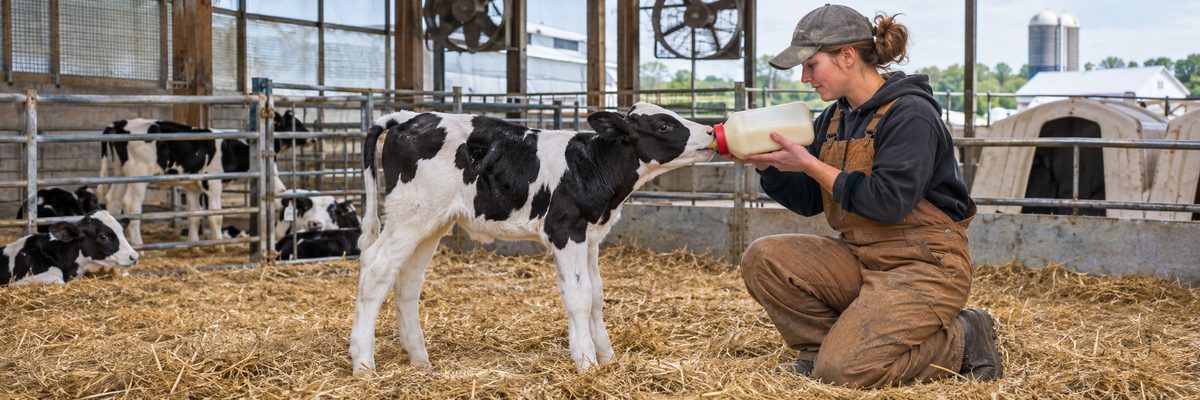
A calf can look fine in the hutch and still look terrible on a sale barn floor under fluorescent light, in a pen with fifty strangers, after a ride on a stock trailer. Buyers see hundreds of calves a week. They are fast at spotting a weak navel, a wet hind end or a calf that does not want to stand.
The short version of getting a fair price: sell calves that are old enough, strong enough, well started on colostrum and clean, move them in a way that does not wreck them, and send the paperwork and treatment history along. The rest is detail, and the details are what this checklist covers.
One note up front. Minimum ages, transport rules and animal-care program requirements differ by state, sale barn and milk handler. I am describing common practice here, so check with your state department of agriculture, the market you use and your milk buyer before you load anything.
Start days before the truck: colostrum and health
The best pre-sale prep happens in the first hours of a calf's life. Penn State Extension's article on passive transfer of immunity explains that calves are born with little immune defense and that those with poor passive transfer in the study it covers were more likely to develop pneumonia and diarrhea and had higher mortality. A calf that never got enough colostrum is the one that arrives at the sale barn sick. The basics are in feeding colostrum on time and the first 24 hours checklist.
If you sell calves regularly, consider blood-testing a sample for passive transfer so you know where your program stands. The University of Wisconsin Extension benchmarks suggest sampling at least 12 calves, and the method is explained in checking calves for failure of passive transfer.
The pre-sale checklist
A calf you have looked at every morning for a week will seem fine to you, and the buyer gives her thirty seconds. Walk each calf the day before and again on the morning you load. A calf that fails a check goes back in the hutch, and you sell her another week.
Age and condition
- Old enough: many buyers and markets want calves to be at least several days old, with a dry, healing navel and the ability to walk and stand on their own. Check the minimum with your market.
- Alert and standing: bright eyes, ears up, nursing or drinking when offered.
- Not too thin: hip bones sticking out like coat hooks are a price discount waiting to happen.
Health
- Navel: dry, not swollen, hot or draining. A big wet navel at four days is a red flag, so check navel dipping: what to use and when if you have had problems.
- Manure: no scours. A calf with a dirty tail and a sunken eye should stay home; skin tent and sunken eyes shows what to look for.
- Breathing: no cough, nasal discharge or fast, labored breathing. See early signs of pneumonia in dairy calves.
- Legs and joints: no swollen joints, no limping. Those are signs of infection that need a vet, not a sale.
- Eyes, ears, hide: clean, no ringworm patches, no lice crawling around.
Treatments and withdrawal times
If a calf has been treated for anything, ask your vet whether the drug has a meat withdrawal or withhold time and whether she is still within it. Selling an animal inside a withdrawal period is a regulatory and food safety problem, and it is not worth the risk for the price of a calf. Keep treatment records and send them with the animal when asked; keeping treatment records that pass an inspection explains the habit. University of Wisconsin Extension notes that drugs used around disbudding carry meat withholding times, so treat withdrawal dates as a normal part of the paperwork.
Records and ID
A calf that goes to market should have an ear tag or other identification, a birth date, the dam's ID, and a note of colostrum feeding and any treatments or vaccines. It does not need to be fancy. A page in a notebook or a spreadsheet works, as long as you can find it. For a simple setup, see calf records that pay off.
Many markets and states have identification and recordkeeping rules for cattle that move off the farm, and the details depend on the state and the class of animal. Your state veterinarian's office can tell you what applies.
Getting them to the barn
Transport is where a strong calf becomes a tired one. A few basics, in general terms:
- Bedding and footing: deep, clean bedding in the trailer or pickup box so calves can lie down without slipping, and a solid floor that does not let urine pool.
- Weather: protect calves from wind and rain in the Upper Midwest and Northeast winters, and from heat in the Southwest and Southeast summers. Do not leave them standing in a parked trailer in the sun. See keeping newborn calves warm in winter and calf care in desert heat.
- Stocking density: enough room for each calf to lie down. Crowded calves get trampled, and a trampled calf is the cheapest one on the truck.
- Timing: keep the trip short, and sell early in the market day if you can so calves are not waiting around.
- Feeding: follow your vet's advice on feeding before travel. A calf that has not eaten all day is not a good look either.
Clean and disinfect the trailer between loads. Sale barns are where diseases mix, and what you bring home on the truck is your problem, so a biosecurity plan for the dairy should cover returning vehicles and clothes too.
What gets calves discounted
A list of what buyers notice and how to avoid it:
| What buyers see | What it suggests | Fix on the farm |
|---|---|---|
| Wet, swollen navel | Infection risk | Dry navels, clean maternity pen |
| Dirty tail, sunken eyes | Scours, dehydration | Hold calf back and treat with vet guidance |
| Rough, wet coat | Cold stress or illness | Dry bedding, warm pen |
| Weak, slow to rise | Poor start, possible low passive transfer | Colostrum timing and testing |
| Cough or nasal discharge | Respiratory disease | Do not sell; call the vet |
Quick answers
How old should a calf be before I sell her?
Older than a day or two, with a dry navel and good strength, and old enough to meet the minimum your market or state requires. Check with your sale barn and state ag department, since rules differ.
Can I sell a calf I just treated?
Only if your vet confirms the drug's withdrawal or withhold time has passed, and you keep records. When in doubt, hold the calf until you know.
Is it better to sell calves at auction or directly to a grower?
It depends on your region and your buyers. Direct sales can mean less stress on the calf and a known buyer, while auctions give you a competitive price. Compare your options and ask what each wants in health and records.