Grazing, Organic & Small Dairies
Sourcing Organic Feed Without Wrecking Your Budget
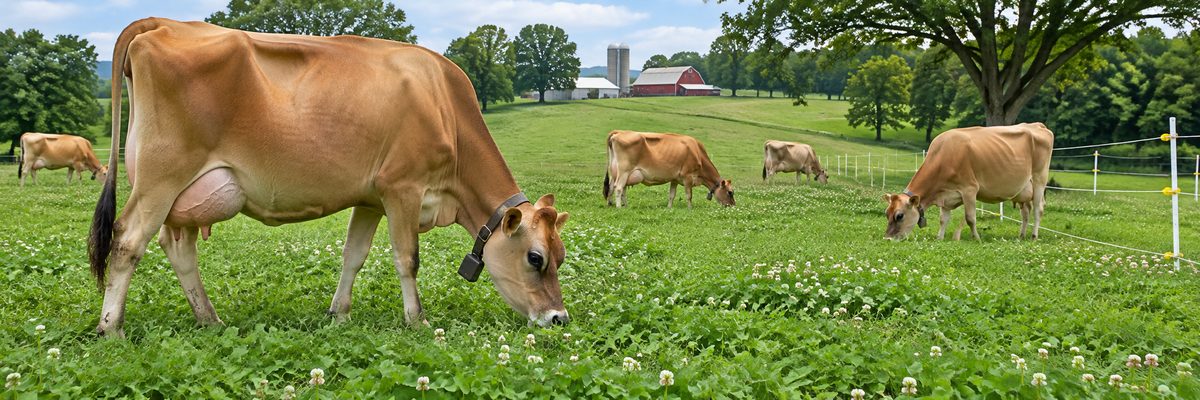
Feed is where organic dairies win or lose. The organic premium on the milk check is real, but certified organic grain costs a good deal more than conventional, the price moves around, and in a short year the grain you counted on may simply not exist within three hundred miles. Farms that stay in the black usually do it by buying less feed, not by finding cheaper feed.
So the plan has two halves. First, shrink the purchased bill with pasture, home-raised forage and a ration built around what the farm already grows. Second, buy what's left on purpose: contracts, bulk loads, a trusted mill, and paperwork you've actually read. Anyone who tells you organic corn is "basically the same price now" is probably selling something, or has a very short memory.
Where the money actually goes
On a conventional dairy, the feed bill is the biggest line on the sheet. On an organic dairy it's the same line wearing a larger jacket. Three things drive it:
- Grain and protein. Organic corn, soybean meal (or organic-approved protein alternatives) and small grains are all priced separately and swing separately. Protein is often the sore spot.
- Freight. Organic supply is thinner, so a load may travel a long way. Trucking a few tons across several states can erase whatever you saved on the per-ton price.
- Minerals and additives. Everything in the ration, including the vitamin and mineral premix, has to be allowed in organic production. The bag that worked fine last year may not qualify.
For a sense of how organic prices have moved over time, USDA's Economic Research Service keeps a running set of organic price data. It won't tell you what your mill will charge Tuesday, but it'll show you the swings you should budget for.
Cut the purchased feed first
Every pound of dry matter you grow yourself is a pound you don't haul in. Organic rules already push you toward forage: ruminants have to graze during the grazing season, and the pasture requirement sets a floor on how much of the ration comes off the grass. How that works is covered in the organic pasture rule explained, but the budget angle is simple. Good pasture is the cheapest organic feed there is.
Practical ways to lean on it:
- Put effort into the paddock system so the cows harvest more of what grows. A cow can't eat what she trampled into the mud. Rotational grazing is the usual place to start.
- Make hay or baleage from the best ground, and test it. A forage test costs less than a ton of organic protein, and it tells you whether you're feeding grain to fix a problem the hay already solved. Nobody enjoys finding out in February that the pretty hay was mostly stem.
- Match grain to the cow. Fresh cows and high producers earn their grain. A late-lactation cow standing in clover up to her knees may not. How much grain grazing cows really need goes through how to decide.
- Plan winter ahead of time. Stockpiled pasture and well-made stored forage cut grain purchases when the ground is frozen. See winter feeding plans for pasture-based herds.
Growing your own grain and protein
If you have cropland, growing small grains, corn or soybeans can cut your exposure to the market. It also ties you to organic crop rules, weed control without synthetic herbicides, and a rotation that has to make agronomic sense. Cropland that is still in transition has its own rules, and during the livestock transition period animals may eat what's called third-year transitional crops from the farm's own land, as long as it's laid out in your organic system plan. Your certifier is the one who decides how that applies to your farm, so ask before you plant.
Many small dairies skip the combine entirely and trade. A neighbor with organic ground and no cows may grow oats or barley for you, or swap grain for manure and a field of your hay. That kind of arrangement works best when it's written down. Verbal deals have a way of becoming misunderstandings by the time the combine is running.
Buying what you can't grow
Know your sources
Options include a local certified organic mill, a feed dealer who brings in organic loads, direct purchase from certified growers, and group buying with other organic farms. Group buying is underrated. Several small herds ordering a full truck together usually pay less than each ordering a pallet.
Lock in price and supply
If your mill or grower offers forward contracts, they can smooth out the bad years, though they also lock you in during good ones. Ask your milk buyer too. Some handlers and co-ops have feed programs or recommended suppliers, and the people who write the milk check generally know who delivers on time.
Verify every load
Here's where organic gets less forgiving than conventional. Every feed purchase needs a paper trail showing the product is certified organic. Check that the supplier is listed as certified in USDA's Organic Integrity Database, keep the certificate on file, and keep the delivery tickets matched to what's on the invoice. An inspector will ask. The records article for inspection day covers what to have in the binder.
Mistakes that quietly cost money
- Buying once a year, in a panic. Prices and availability are worst when everybody else is also looking.
- Feeding to a number instead of a cow. A ration copied from a conventional herd can be too much grain for a pasture-based organic cow.
- Letting forage quality slide. Poor hay doesn't save money. It moves the cost to the grain bin.
- Ignoring storage. Spoiled grain is the most expensive grain you'll ever buy. Dry bins and a mouse-proof lid pay for themselves.
- Skipping the budget. Run feed cost per hundredweight of milk and track it monthly. The cost of production per hundredweight method works the same on an organic farm, only the numbers are bigger.
Checking the numbers before you commit
Before you lock into a contract or a transition, sit down with last year's feed invoices (or a realistic estimate) and work out feed cost per cow per day. Then see what the milk price would have to be to cover it with a margin. If the answer only works on paper in the best-case year, adjust the plan: fewer cows on more grass, more homegrown forage, less grain per cow. A good place to compare notes on organic milk markets and premiums is your own buyer's price sheet, since premiums depend on region and contract.
Your land-grant extension office and a nutritionist who works with organic herds are worth a phone call. Most nutritionists are glad to write a ration around your actual forage rather than a textbook one, and a few hundred dollars for a ration check beats a few thousand in wasted grain.
Quick answers
Is organic feed always more expensive than conventional?
Purchased organic grain and protein are normally priced well above conventional, and the gap changes with supply. Homegrown pasture and forage cost far less per unit than anything you buy, which is why grazing herds tend to hold up better.
Can I buy organic feed from any supplier?
Only from suppliers that are certified for what they're selling. Look them up in the Organic Integrity Database, keep their certificate, and match it to your receipts. If the label and the paperwork don't agree, don't feed it.
Should I grow my own organic grain?
It can cut your exposure to price swings if you have suitable cropland and the equipment or a trusted custom operator. It also adds a second business with its own rules and weather risk, so run the numbers and talk to your certifier before the first seed goes in.