Grazing, Organic & Small Dairies
Organic Dairy Inspection Day Checklist
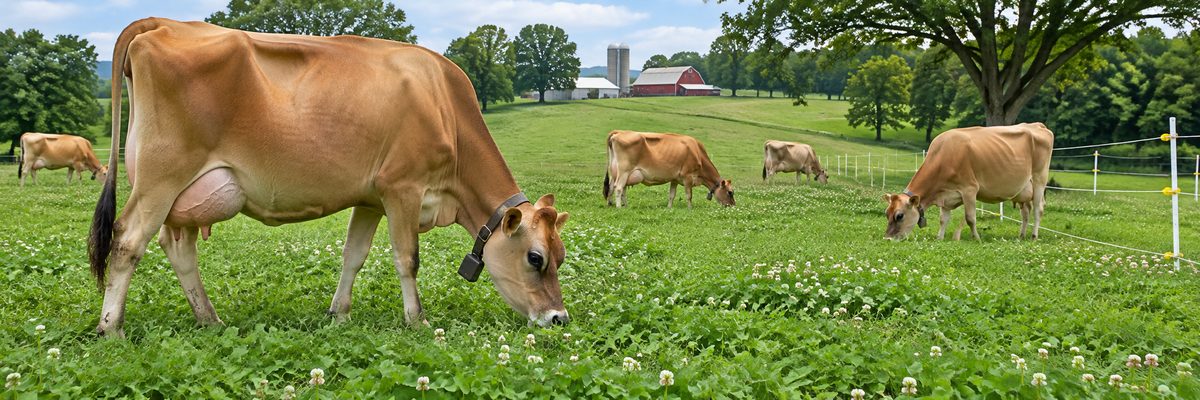
The inspector is not there to catch you. They're there to confirm that what your organic system plan says matches what's actually happening in the barn, the pasture and the filing cabinet. Most inspection problems on dairies aren't dramatic. They're a missing feed ticket, a pasture log with a three-week gap, or a spray bottle in the milk house that nobody can explain.
Plan on a full day, depending on how big the farm is, and expect to be followed around while you try to look casual. Your certifier will tell you what they want ahead of time. This checklist is a way to get your own house in order first, but your certifier's instructions always come first.
Before the date is on the calendar
Inspections are generally done at least once a year, and certifiers can also schedule additional visits, some of them unannounced. So the real preparation is how you keep records all year. Certified operations have to keep records that show the full path of a product, from purchase through production to sale, and those records have to be kept for at least five years. The rule is spelled out in the federal recordkeeping section, and it's worth reading once with a cup of coffee.
Then:
- Read your current organic system plan start to finish. Anything that has changed (new pasture, new feed supplier, a different teat dip) needs to be updated with your certifier, not discovered by the inspector.
- Pull last year's inspection report and notices. If you were asked to fix something, have proof that you did.
- Tell family members and hired help that the inspector may ask them questions. Better that they know how the farm actually runs than guess.
Records to have on the table
Set up one table, or one binder, per section. Hunting through a truck cab for a receipt looks bad and wastes everyone's day.
- Livestock list. Animal IDs, birth or purchase dates, origin and status (organic, transitioned, or not), with dates of any movement on and off the farm.
- Feed records. Feed tags, certificates for every supplier, delivery tickets, invoices and home-grown crop records. The numbers should reconcile: what came in, what was fed, what's left. Details on certificates are in the feed sourcing piece.
- Pasture and grazing logs. Daily or paddock-by-paddock records showing grazing during the grazing season and the dry matter share from pasture. The reasoning behind that is in the organic pasture rule.
- Health and treatment records. Every treatment, who did it, what was used and what happened to the animal. See treating sick cows on an organic dairy for what's allowed. Keep these tidy; treatment records that pass an inspection covers the basics.
- Milk records. Hauler receipts, bulk tank volumes, any sales of milk outside the tank, and notes showing how organic milk is kept separate from any non-organic product.
- Input records. Fly control, teat dips, cleaning and sanitizing products and anything else used on animals or equipment, with labels and proof the product is allowed in organic production.
- Land records. Field maps, crop rotation, seed, manure application and the history showing that land hasn't received prohibited materials.
- Sales records. Anything sold as organic, including cull cows and bull calves, with buyer and date.
Walking the farm
Expect to be asked to walk through the whole operation, in the same order that milk and feed move. Do a trial lap the week before, with your plan in hand.
Barn and milking area
- Bedding is clean and dry, and any roughage bedding is organic.
- Animals have space to lie down and move around, and outdoor access matches your plan. Continuous total confinement isn't allowed.
- Products in the milk house and barn are labeled and are ones you've disclosed. Unlabeled jugs are the usual culprit. Old half-used bottles from before you went organic should be dealt with, not tucked behind the grain bin.
- Cleaning and sanitizing routines match what the plan says. Bulk tank cleaning and wash cycle records are fair game.
Pasture and yards
- Paddocks, water and shade are in place, and the fence matches the map.
- Buffer zones separate you from neighbors who spray. Mark them if they aren't obvious.
- Feeding pads and lanes drain and aren't sending runoff where it shouldn't go.
Feed storage
- Organic and non-organic feed (if you keep any) are stored separately and labeled.
- Bins, bags and wagons can be traced to a tag or ticket.
Audit trail
Inspectors often pick a recent bulk tank pickup, or a few animals, and trace them backward: milk pickup, tank, cow, feed, field. If the trail breaks in the middle, expect questions. This is called an audit trail, and keeping one is easiest when records are made the same day, not the night before the inspector arrives. Nobody ever regretted writing it down on the day it happened.
The day itself
- Be on time and have someone available who knows the daily routine.
- Answer questions directly. If you don't know, say so and find the record. Guessing makes things worse.
- Don't hide things. A disclosed problem with a corrective plan is a lot easier to handle than one the inspector finds on their own.
- Take your own notes. At the exit interview the inspector will go over what they saw, and you should leave knowing the items they'll report.
After the inspection
The inspector doesn't decide your certification. They report to your certifier, who reviews the report and may come back with questions, a request for more documents, or a notice that something needs fixing. Respond quickly and in writing, and keep copies. Your certifier and the USDA National Organic Program are the authorities for what a noncompliance notice means and how to respond, and this article isn't a substitute for either.
Quick answers
How often are organic dairies inspected?
At least once a year, with the possibility of extra or unannounced visits at your certifier's discretion. Keep records current at all times, not only before a scheduled date.
How long do I have to keep organic records?
Federal rules require certified operations to keep records for at least five years beyond their creation. Plenty of farms keep them longer, and a filing cabinet drawer is cheaper than a conversation about a missing feed ticket.
What happens if the inspector finds a problem?
It's reported to your certifier, who decides whether it's a minor item to fix or a noncompliance that needs formal action. Ask your certifier about timelines and what documentation they want, and respond in writing.