Mycotoxins in Dairy Feed: Signs and Fixes
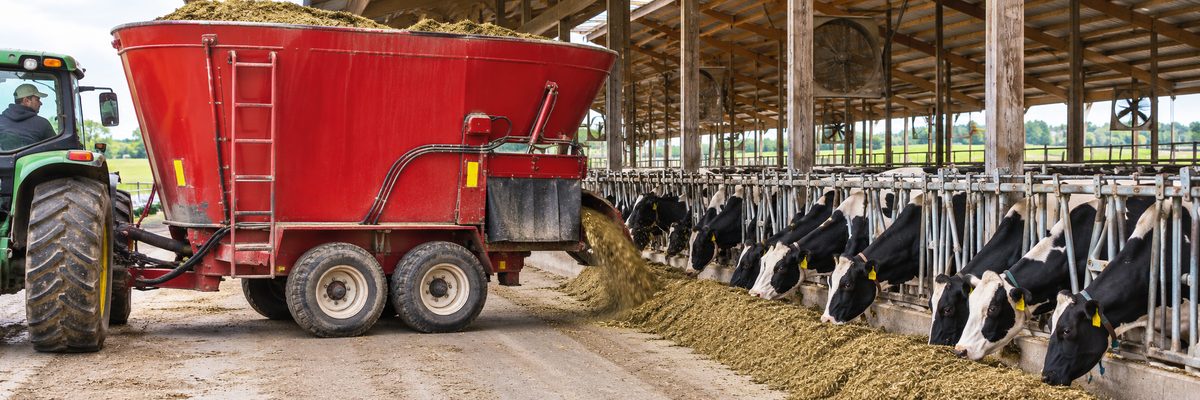
If the herd is off feed, milk is down, and nothing else adds up, moldy feed is on the short list of suspects. Mycotoxins are poisons produced by molds, and they can show up in corn silage, haylage, hay, grain, byproducts and the bottom of the bunk where the pusher doesn't reach. The frustrating part is that the signs are vague, the cows rarely read the textbook, and a clean-looking feed can carry toxins while an ugly one may carry none.
The practical approach is the same on every farm. Prevent mold where you can, test when you have reason to, and call your vet and nutritionist early instead of after the third pen of mystery trouble. This article is general education. It isn't a diagnosis, and it doesn't replace your herd veterinarian.
What mycotoxins actually are
Molds are everywhere. Only some produce toxins, and they do it under certain conditions: stress on the crop in the field, a wet harvest, damaged kernels, poor packing, air getting into silage, or feed sitting too long in the wrong place. Several mycotoxin groups matter to dairy cows, and more than one can be present in the same feed. That's part of why interpreting a test is hard.
Some toxins build up before harvest, especially in stressed corn. Others develop in storage and at the feed face. Which problem you have changes the fix, so it helps to know whether your trouble starts in the field, in the silo or in the feed alley.
Signs that make you suspicious
None of these is proof. Together, they're a reason to dig in.
- Drop in dry matter intake or milk without an obvious ration change
- Cows sorting hard against one feed or refusing it
- Diarrhea or loose manure that doesn't match the ration
- More health problems at once, including mastitis and fresh cow troubles
- Poor fertility or irregular heats in a group that was doing fine
- Poor response to treatments, or herd health that just seems "off"
- Visible mold, a musty smell, heating, or feed that came from the wet end of a bad season
Plenty of other things look the same: a ration mix error, a sudden acidosis problem, heat stress, bad water. Before blaming the mold, rule out the boring causes. Signs of subacute rumen acidosis overlap a lot with mycotoxin complaints, and a thorough ration review sometimes finds the real answer in a missing scoop. Cows are good at hiding what's wrong and terrible at filing the paperwork.
Testing: worth doing, with limits
A lab test can detect and sometimes quantify specific mycotoxins in a feed sample. Results help, but they come with caveats:
- Toxins are not evenly spread. One moldy pocket may carry most of the problem.
- A sample that missed the hot spot can read clean.
- Labs test for particular toxins, so a negative result is not a clean bill for all of them.
- Guidance on what levels cause trouble in cattle varies and depends on the toxin, the animal's stage and the rest of the ration. Your vet and nutritionist can interpret.
Sample carefully. Collect from several spots, from the face and from different depths, and from different loads of byproducts. Sampling forage for a lab analysis covers the technique, and the same habits matter here. Keep a retained sample in the freezer so you can retest if things change. Ask the lab how they want it packed and shipped, since mold keeps growing in a warm sealed bag and the sample you ship may not match the sample you took.
Fixes that cut exposure
In the field and at harvest
- Harvest at the right moisture and maturity, and avoid chopping crops that are very dry or badly stressed without extra care.
- Set the chopper and kernel processor correctly so silage packs well.
- Don't harvest wet and bale tight. Hay baled too wet heats and molds.
In storage
- Pack silage thoroughly and seal it fast. Packing a bunker silo the right way is the single best defense against oxygen and the molds that love it.
- Cover with plastic and weight it so no air gets under.
- Remove enough from the face daily to stay ahead of heating. See spotting and stopping silage heating for the specifics.
- Keep grain and commodity bins dry, clean and rodent-proof.
At the feed bunk
- Throw out visibly moldy or hot feed. Don't try to hide it in the mixer in the hope the cows won't notice. They will, and so might the milk.
- Clean out refusals daily in warm weather. Old feed in a bunk is a mold incubator.
- Be thoughtful about where leftovers go. Handling refusals and feed leftovers explains why moldy feed does not belong in the heifer ration either.
Binders and additives
You'll hear a lot about toxin binders and other products sold to reduce the effect of mycotoxins. Some may help with certain toxins, and others don't help much at all, and the evidence differs by product and toxin. They are not a substitute for throwing out bad feed or fixing storage. If you want to try one, ask your nutritionist or vet to help you pick, and watch for results in intake and herd performance, not in the sales brochure.
Regional patterns
Where you farm shifts the risk. Wet harvests and late corn in the Upper Midwest and Northeast raise worries about field molds. Hot, humid Southeast conditions speed mold growth in stored feed and bunks. Drought in the Plains and Mountain West stresses crops in a way that can set up certain toxins before harvest. Local extension programs, such as University of Minnesota Extension dairy or Cornell PRO-DAIRY, often issue seasonal alerts for their area.
When to call the vet
If several cows show signs at once, intake drops across a group, or you see sick cows that don't respond to ordinary treatment, call the herd vet. Early on, it's cheaper than a month of guessing. When to call the vet for a sick cow lays out the general triggers. Bring your feed records, any recent changes in ingredients, and photos of anything that looked off.
Quick answers
Can mycotoxins be present without visible mold?
Yes. Some toxins persist after the mold that made them has gone, and clean-looking feed can still carry them. That's why testing and field history matter alongside what you can see.
Is moldy hay always unsafe for dairy cows?
Heavily moldy or dusty hay isn't worth the risk, and lactating and fresh cows are least forgiving. Slightly weathered outer layers on a bale are different from mold throughout it, and your nutritionist can help you decide.
Do toxin binders fix the problem?
Not on their own. They may reduce the effect of certain toxins, but removing bad feed and improving storage are what actually cut exposure.