What to Do With Refusals and Feed Leftovers
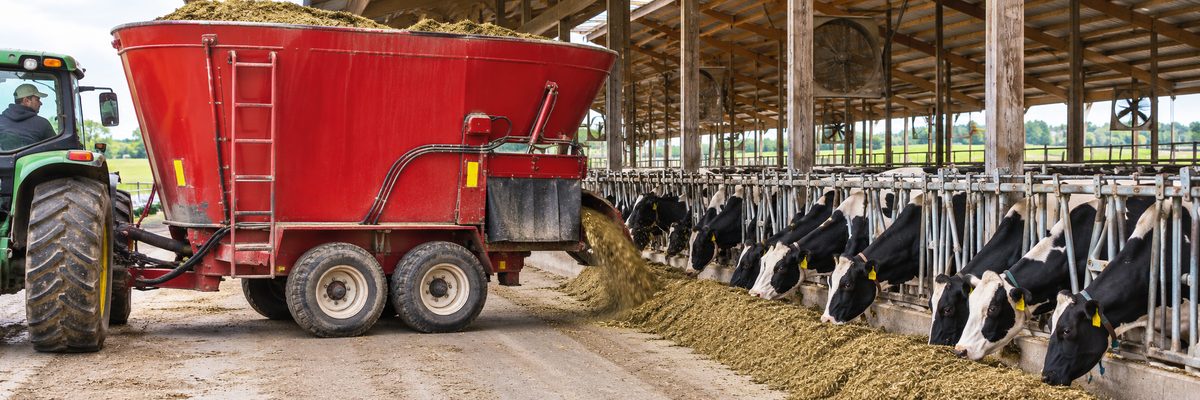
Every dairy has a leftover pile, usually right where the loader needs to turn. The only question is whether you are managing it or it is managing you. Feed that stays in the bunk is money you already spent, and feed that never reaches the cows is money you never recovered.
The balance is not obvious. An empty bunk is bad for the cows, and an overflowing one is bad for the budget. Penn State Extension puts it simply: it is clearly not advantageous to feed into an empty bunk, but having large amounts of refusals is not economical either.
This article covers how much to leave, what the leftovers cost, and what to do with them without creating a bigger problem than the one you started with.
Why You Leave Feed Behind on Purpose
Cows eat different amounts from day to day, and the herd does not eat exactly the same amount twice. If you feed right to the last pound, some cows will find an empty bunk. Penn State explains that to give cows unlimited access to feed, you have to deliver more than they will eat, and that gives you something left at the end of the day.
When feed is restricted, the rumen can swing the other way. Penn State warns that restricting feed can push rumen pH too high, which leaves the ecosystem more vulnerable to acidosis, and cows tend to overeat when feed is offered again. Feeding to an empty bunk saves a few dollars and costs you rumen stability, which is a bad trade at any exchange rate.
How Much Should You Leave?
The target depends on the group. Penn State Extension says refusals are often recommended around 2 to 4 percent for fresh cows, 1 to 3 percent for high groups, and 0.5 to 3 percent for late-lactation groups, and generally should not exceed 3 to 4 percent. Kentucky extension has long used a rule of thumb of about 5 percent, which comes out to roughly an inch of feed left in the bunk at the next feeding.
Refusal composition matters too. If what is left looks like what you fed, you can aim low. If it looks very different, with the long stems and cobs left behind, you need to leave more so that cows still had good feed to choose from. A big difference between what goes out and what comes back is a sign of sorting.
What Refusals Cost
Penn State puts a number on it. Increasing the dry matter refused by one percentage point often costs around 5 to 6 cents per cow per day, roughly $20 per cow per year. That does not sound like much until you multiply it. At 200 cows, one extra percentage point of refusals comes to about $4,000 a year. At 1,000 cows, it is five figures. Feed prices change, so recalculate with your own numbers.
The indirect costs are bigger. A pen overfed on dry, long forage sorts more, and sorting leads to acid in the rumen and lost milk. A lot of leftovers also mean a lot of handling, spoilage in warm weather and labor to clean out the bunk.
Options for the Leftovers
Do not re-mix them into the lactating ration
Penn State says remixing refusals into the next batch for the lactating group, or dumping fresh TMR on top of them, is highly discouraged. Sorting changes the leftover feed's nutrient makeup, and the cows may have refused it because of mold or poor quality. Putting it back can lower intake and milk.
Feed to older heifers or other stock, with care
Penn State suggests feeding refusals to older heifers, steers or other beef cattle as a possible use. This only works if the feed is clean and not spoiled. Because refusals are often high in the stems and fiber the milking cows rejected, your nutritionist can tell you whether the group you have in mind can use it without throwing off their ration. Keep it away from calves and young stock, and from any animals with special feeding needs.
Never to prefresh or fresh cows
This is the one rule to remember. Penn State says refusals should never go to prefresh or fresh cows. Those animals are vulnerable to metabolic disease, and variable or mold-contaminated feed can hit their immunity at the worst possible time. This also protects the calf. For more on that stage, see the transition cow feeding checklist.
Discard what is spoiled, heated or moldy
Some feed is simply waste. Penn State recommends disposing of feed that is spoiled, heavily sorted, or could spread disease across the herd, and notes that refusals can be composted. If you suspect mold toxins, read mycotoxins in dairy feed before you give any of it to any animal.
Weigh Back Instead of Guessing
If you only eyeball the bunk, you will fool yourself regularly. Kentucky extension recommends keeping a daily log of how much was fed and how much was left from the previous feeding. That log matters most when more than one person feeds, because everybody can then see what the last person did.
- Record the amount fed to each pen at each feeding.
- Weigh or estimate the amount left at the next feeding. A scale on the loader or feed truck helps.
- Divide refusals by the amount fed to get a percentage.
- Check the pen's cow count. Fresh cows leaving and entering change the math.
- Adjust the next load by small steps, not big swings.
Kentucky adds a warning worth repeating. When you increase or decrease the TMR you feed, adjust every ingredient proportionally. Simply adding more forage when cows clean up the bunk throws the ration out of balance.
Handling Leftovers Through the Year
- Hot, humid weather: Southeast and Southwest herds see leftovers heat and spoil quickly. Clean out the bunk more often, and shorten the time between cleanouts.
- Wet weather: Rain on an open-air bunk or feed lane makes leftovers soggy and moldy fast.
- Winter in the Upper Midwest and Northeast: Frozen refusals are tough to clean out and tough on the mixer. Plan for it.
- Grazing herds with supplement feeders: The same logic applies to grain and TMR fed on a pad. Small amounts left over are normal, but old wet feed should go.
And yes, someone has to shovel it. Every neighbor has an opinion on what his heifers will eat, and most of them were formed before breakfast. Your nutritionist and herd vet are better sources for that decision.
Mistakes to Avoid
- Feeding exactly to zero refusals every day.
- Pushing the same wet pile back and mixing it into fresh feed.
- Giving moldy or heated leftovers to any group.
- Ignoring the cow count, so refusals swing with every move.
- Forgetting that pushing feed up reduces leftovers by keeping feed in reach.
Read the full Penn State guide at What Is Your Feed Refusal Costing You?, and talk to your nutritionist before you change who gets the leftovers.
Quick answers
Can I feed dairy refusals to heifers?
Sometimes. Penn State mentions older heifers as one option, but only for clean, unspoiled feed, and your nutritionist should confirm the group and the amount. Keep refusals away from calves and fresh or prefresh cows.
Is it okay to mix leftovers into tomorrow's TMR?
Penn State discourages it for lactating cows, because the leftovers are often sorted and may be refused for a quality reason. The savings are small compared with the risk to intake and milk.
What is a normal refusal rate?
Often around 2 to 4 percent for fresh cows and lower for later-lactation groups, according to Penn State. Your target will depend on your pens, bunk and ration, so set it with your nutritionist.