Signs of Subacute Rumen Acidosis
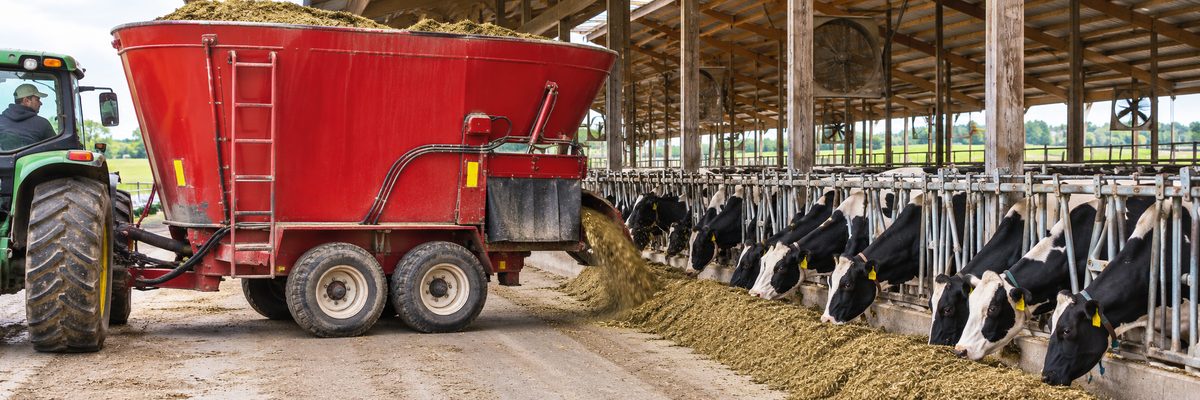
Subacute rumen acidosis, usually shortened to SARA, is the problem that never shows up on the vet's invoice as a single line item. Cows are not sick enough to treat and not healthy enough to hit the milk numbers you budgeted for. The rumen spends too many hours too acidic, fiber digestion slows down, and everything downstream gets a little worse.
The good news is that SARA leaves clues. The best ones are cud chewing, manure, milk fat and feet, and you can check all four this week without buying a thing. The bad news is that no single clue proves it, so you are looking for a pattern, the way you would with a mastitis cluster.
Below is what to look for, where the trouble usually starts, and what to change first. Treat it as a barn-walk guide, and bring your nutritionist and vet in for the actual diagnosis.
What SARA Actually Is
A healthy rumen keeps its pH around 6 or a bit above. Fiber-digesting bacteria like it there. When feed ferments faster than the cow can buffer it with saliva, the pH dips below the comfortable range for fiber digestion, which University of Kentucky extension describes as generally 5.8 or lower. Stay in that low range for long stretches and the microbes shift, fiber digestion drops, and the cow feels off.
Notice the word "periods." A cow with SARA isn't acidic all day. She has bad hours, usually after a big meal of the sweetest part of the ration. That is why a cow can look fine at 6 a.m. and be quietly making trouble by noon.
SARA is different from the acute kind, where a cow gets into the grain bin and goes down. Subacute is the slow leak. Kentucky's dairy specialists put it plainly: the cows are not extremely sick and do not usually die, they just do not eat and perform as well as expected. That is the hard part. Nothing is on fire, so nothing gets fixed.
Signs You Can See From the Alley
Cud chewing that is short on chewing
Cows should spend roughly twelve hours a day lying down, and most of that time they should be chewing their cud. Kentucky extension suggests that when you walk the barn, about 50 to 60 percent of the cows that are not eating should be chewing cud. Count a few dozen resting cows in a pen. If half of them are just lying there with a thousand-yard stare, that is information.
Manure that is loose, varied or full of grain
Loose manure, manure that changes a lot from cow to cow, and visible whole kernels or undigested feed can all point at a rumen that is not holding up. Foamy or bubbly manure can mean extra fermentation farther back in the gut. Penn State's manure evaluation guide is careful to say this is a hint, not proof, so use it to start a conversation. The full method is in this guide to manure scoring.
Feed intake that bounces around
The pen average can look steady while individual cows swing wildly from one day to the next. If your feed-bunk records show smooth numbers but cows keep going off feed one at a time, a rumen that is repeatedly knocked out of balance is a fair suspect.
Sore feet, long after the cause
Laminitis and sole problems can show up weeks or months after the rumen insult. A hoof grows about a quarter inch per month, so a ridge or "hardship groove" on the wall lets a trimmer estimate when something went wrong. If your trimmer keeps finding the same story across cows, tell your nutritionist. There is more on the foot side in what causes lameness in dairy cows.
Signs on Paper
Your milk test is the cheapest SARA detector you own.
- Low milk fat across the herd. Penn State extension says typical herd tests are above 3.7 percent fat for Holsteins and above 4.9 percent for Jerseys. A herd fat test more than 0.3 percentage points below breed average is worth investigating, and two or three low tests in a row from the milk plant count as a problem.
- Fat inversions. Kentucky extension points out that in Holsteins milk protein is normally about 81 percent of milk fat, so protein at 3.0 means fat should be around 3.7 or higher. When fat falls below protein in more than about 10 percent of the cows, suspect the rumen. The cause is incomplete biohydrogenation of fatty acids at low pH, which shuts down fat synthesis.
- A group that looks different. Pull test-day data by pen and days in milk. Fresh cows, first-calf heifers and timid cows at the bottom of the pecking order are often hit first.
Check the season before you panic. Milk fat normally swings a bit through the year, and a summer dip does not automatically mean acidosis. Compare against your own history, as covered in the feed causes of milk fat and protein depression.
Quick Reference: What You See and Where to Look
| What you see | Common suspects | First check |
|---|---|---|
| Few cows chewing cud | Fine chop, overmixed TMR, too little effective fiber | Particle size on the bunk |
| Loose, variable manure | Sorting, too much fermentable starch, slug feeding | Manure scores by pen |
| Low fat, normal protein | Low rumen pH, unsaturated fat sources | Ration report and fat test by group |
| Cows off feed one at a time | Big meals after an empty bunk, heat stress | Bunk schedule and refusals |
Why It Happens in the First Place
Kentucky extension lists several management causes, and they match what you see on real dairies.
- Forage chopped or mixed too fine. Short particles mean less cud chewing and less saliva. A new mixer wagon or freshly sharpened knives can quietly shred the long stuff.
- Sorting. Aggressive cows at the front of the bunk eat the grain and fines. The cows that come later get a fiber-heavy, low-energy mix. The sorters get a rumen full of sugar; the timid cows get thin. Stopping sorting often fixes two problems at once.
- Slug feeding. Big gaps between meals followed by a rush at the bunk spike acid production. Cows do better with small meals spread across the day.
- Bad transition. Cows that come off a low-energy dry ration straight into a high-starch milking ration have rumen lining that is not ready to absorb the acid load. A solid close-up ration sets them up.
Heat stress makes all of this worse, since panting cows eat in bursts. Southeast and Southwest herds should expect it every summer.
What to Change First
- Measure particle size. A Penn State shaker box on fresh feed and on the leftovers shows whether the long fiber is in the mix and whether cows are picking it out.
- Cut the mixing time if it runs long. Many mixers need only a few minutes once everything is in.
- Feed on a steady schedule and push feed up. Cows should find fresh, consistent feed close to the stalls without waiting around.
- Look at starch. Ask your nutritionist to review how much starch the ration carries and how fast it ferments, including corn silage kernel processing and grain moisture.
- Fix cow comfort. Cows standing on concrete instead of lying down chew less cud. Stall bedding, stocking density and heat abatement all belong on the list.
Buffers can play a supporting role in some rations, but they are a patch. Fiber, particle size and feeding routine do the heavy lifting, and your nutritionist can tell you whether a buffer makes sense for your herd.
Mistakes to Avoid
- Blaming a single ingredient before checking how the ration is actually mixed and eaten.
- Adding more hay to a sorted ration. The cows will just sort the hay out too.
- Making five changes at once, then having no idea which one worked.
For the full background, see Kentucky's piece on healthy rumens and Penn State's guide to troubleshooting low milk fat and protein.
Quick answers
Can a cow have SARA and still look healthy?
Yes, and that is the whole problem. Most affected cows look fine from a distance and just eat less, chew less and milk below potential. You catch it through herd patterns, not one dramatic cow.
How fast can a herd recover once the ration is fixed?
Milk fat and cud chewing often improve within a few weeks, while hoof damage takes much longer to grow out. Expect trimmer findings to lag by months.
Does SARA need a vet?
If cows are lame, off feed or dropping milk, bring in your herd vet along with the nutritionist. The vet can rule out other causes, and any treatment decisions, including withdrawal and milk discard, belong to them.