Why Your Cows Are Eating the Wrong Things at Midnight
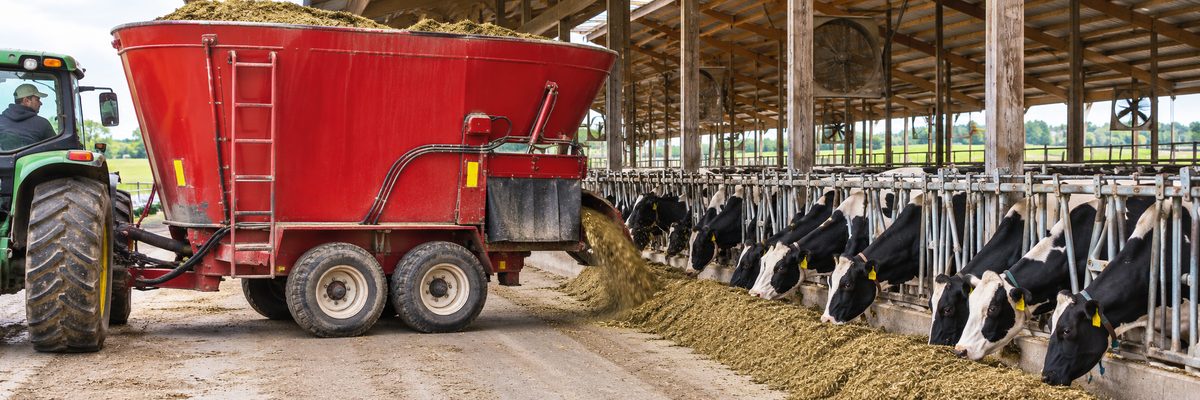
At midnight the barn is quiet, the lights are low and the cows who are still at the bunk are eating whatever is left. That is rarely the ration you formulated. By then the TMR has been picked over, the fine grain and protein pieces have gone to the early eaters, and what remains is long stems and whatever the top cows rejected. Nobody planned it. It just happens when feed sits and cows have preferences.
Cows are creatures of routine. They eat in a pattern that follows milking, fresh feed delivery, bunk space, heat and social pecking order. If you understand that pattern, you can feed in a way that works with it, and the midnight shift gets a better meal. If you ignore it, you pay for it in sorting, uneven intake and cows that look fine on paper but lose condition anyway.
Here is what drives feeding behavior, how it shows up at the bunk and what to change.
How cows really eat
A dairy cow does not eat three meals a day like a person. She eats many smaller meals through the day and night, and she tends to eat most heavily at certain times. The big pushes typically follow two events: fresh feed delivery and a return from milking. A cow coming back from the parlor is hungry, thirsty and wants to lie down, usually in that order, with feed first. Feed that is fresh, pushed up and available at that moment gets eaten. Feed that is not there, or has been sorted to bits, does not.
Extension dairy programs, including Cornell PRO-DAIRY and Penn State Extension, publish management guidance built around these patterns, and your nutritionist can help you apply it to your own barn.
Why the wrong things get eaten
Sorting
Cows are excellent sorters. Given a mixed ration with long and fine particles, they will use their tongues to pick favorites, usually the finer, grainier parts, and leave the long forage. Dominant cows eat first, so lower-ranking cows get what is left. That means the cows who come to the bunk at midnight often meet a different ration than the formulation. Why cows sort their feed and how to stop it goes through the causes, and the Penn State shaker box gives you a way to measure it.
Feed that sat too long
A TMR that was fresh at six in the morning is a different feed by midnight, especially in warm weather. It heats, dries and loses palatability. Cows know. They eat less of it or sort harder through it, and a ration that looks fine in the mixer can look different in the bunk.
Competition and bunk space
If the bunk is crowded, timid cows wait until the top of the pecking order is done. First-calf heifers, in particular, often end up eating at odd hours. A pen with too many cows for the available feed space turns into a rolling shift system. Feed bunk space and headlock design is worth checking if you see the same cows missing meals.
Heat
In hot weather, cows eat less during the day and shift their eating toward the cooler evening and night hours. Midnight feeding can rise in summer for exactly this reason. That means the fresh feed delivered at breakfast can have a lot of work to do by the time it is needed. Feeding dairy cows in hot weather covers strategies like shifting feed delivery toward the cooler part of the day and keeping the feed fresh.
Lights, noise and cow traffic
Lighting affects cow behavior, and a very dark or very bright barn can change how cows move and eat. Barn lighting for dairy cows explains how it connects to rest and activity. Disturbances at the bunk, such as a noisy skid steer or a cow that bullies from a stall, also change meal patterns.
What to change
| Problem you see | Likely cause | Things to try |
|---|---|---|
| Empty bunk by evening, long stems left at night | Sorting and a ration too dry or too long | Check particle size and moisture; talk to your nutritionist about adding water or adjusting chop length |
| Bunk fine in morning, poor in late afternoon | Feed pushed up too rarely | Push up more often, especially after milking. See how often to push up feed |
| Heifers losing condition in a mixed pen | Competition at the bunk | More bunk space, separate first-calf heifers, check stocking density |
| Intake drops in summer | Heat and feed spoilage | Feed fresher, feed more at night, add cooling |
| Hot, sour-smelling feed at the bunk | Feed sitting too long or heating | Clean refusals, feed smaller amounts more often, check mixer cleanliness |
Practical tweaks
- Time fresh feed to milking. Cows coming back from the parlor should find fresh feed, or at least feed that has been pushed up.
- Push up often. A cow cannot eat what she cannot reach. A skid steer pass at eleven at night is not glamorous, but a lot of herds see a response.
- Keep the mix consistent. Particle size, moisture and mixing time all affect sorting. A mixer that is overloaded or chops too coarsely does half the sorting for the cows.
- Watch refusals. A small, steady amount of leftovers tells you cows had enough. None can mean they ran out, and a lot can mean waste. Handling refusals keeps the numbers honest.
- Walk the barn at night. The cows tell a different story at midnight than at noon. A flashlight and ten minutes tell you more than a spreadsheet.
Why this matters for the milk check
When cows sort, they can end up with a ration higher in fast-fermenting carbohydrates than planned, and rumen pH can swing. Over time, that shows up as inconsistent production, lower fat tests and cows with trouble keeping weight. Look at the manure as well. Manure scoring is a low-cost way to check whether what comes out matches what you meant to put in. If a pattern keeps repeating, bring your nutritionist and your vet into the conversation. Changes in feeding behavior can also be an early sign of illness, so a cow that stops coming to the bunk deserves a look.
Not every cow at the bunk at midnight is a problem. Some are the cows that wait for quiet, and some are simply the cows with the most to say about the pecking order. The goal is a ration that stays consistent from the first cow in line to the last, whatever time she shows up. Even then, someone will always be standing in the wrong spot, looking at you as though you forgot dinner.
Quick answers
When do dairy cows eat the most?
Most of their eating follows fresh feed delivery and the return from milking, with another pattern in the cooler evening and night hours, especially in hot weather. Feeding and push-up timing can be matched to these peaks.
Why do cows sort through a TMR?
They prefer certain particles, usually the finer, grainier pieces, and use their tongues to pick them out. Dry mixes, long forage and too much time in the bunk all make it worse.
Should I feed at night?
In hot climates, shifting some feed toward the cooler hours can help intake. Ask your nutritionist how to adjust delivery times and amounts for your herd, housing and climate.