West Coast Dairy Feed: Almond Hulls and Other Local Byproducts
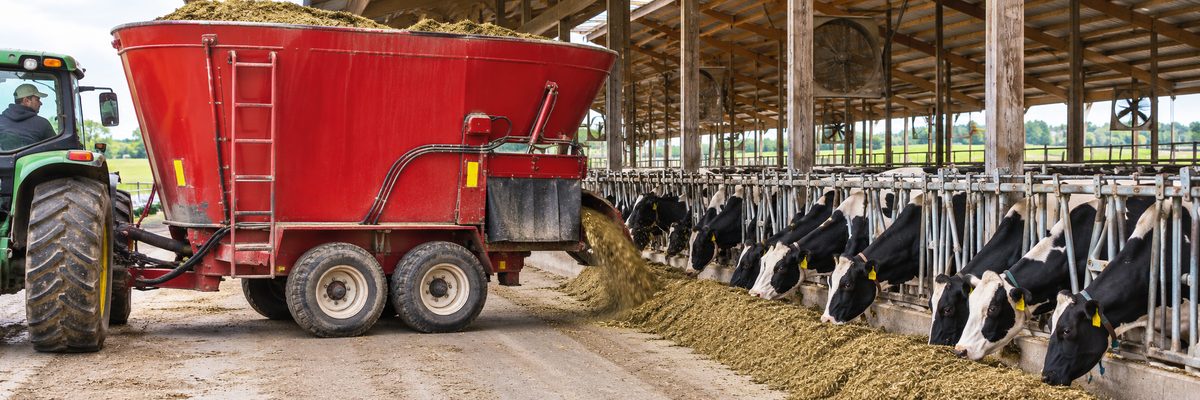
Drive through California's Central Valley and you will see why dairy rations out West look different. The same orchards, vegetable fields, cotton gins and food plants that feed people also throw off a steady stream of leftovers, and dairy cows are very good at turning those leftovers into milk. Almond hulls are the headline act, but they are far from the only one.
The short version: byproducts can lower feed cost and stretch forage, but price, quality and supply swing from season to season, so every load deserves a test and a plan. A cheap feed that costs you milk isn't cheap.
Below is how West Coast dairies typically think about byproduct feeds, what to ask before a truck backs up to the commodity barn, and where to get help balancing the ration.
Why byproducts fit West Coast dairies
Large herds in the Central Valley, the desert valleys of the Southwest and the irrigated basins of the Pacific Northwest sit close to crop processors, which is a fancy way of saying the feed is often down the road. Short hauls mean lower delivered cost. Forage is also often expensive in the West because irrigated acres are in demand and water is neither cheap nor guaranteed, so a feed that replaces some forage or some purchased grain gets a close look. That is a regional pattern, not a rule. A farm in the Willamette Valley has a different supplier list than one near Bakersfield, and the pricing game changes by the month.
Almond hulls
Almond hulls are the outer covering of the nut that gets removed at harvest and processing. They are fibrous and carry a good amount of sugar, which is why cows tend to eat them readily. In a ration they typically act as a partial forage replacement and an energy source, while sitting lower in starch than corn.
Things to know before you buy:
- Quality varies. Hulls can come with shell fragments, sticks, dirt or moisture differences. Ask for an analysis and run your own test on arrival.
- Mold and storage. Wet hulls can heat and mold, so check how they have been stored and look at them with your own eyes and nose. A mycotoxin issue can reach the bulk tank through the cows, and mycotoxins in dairy feed deserves a read if anything smells off.
- Not a full forage swap. Cows still need effective fiber for rumen health. Ask your nutritionist where hulls fit with your hay or silage.
- Price swings. Prices respond to the nut crop, to demand from other buyers and to what the feed market is doing. A great price in one season can be a poor one in the next.
Other local byproducts
What is available depends on where you farm. Common West Coast options include:
| Byproduct | What it generally offers | Things to watch |
|---|---|---|
| Whole cottonseed | Energy, protein and fiber in one package | Handling, supply and price; work out limits with your nutritionist |
| Citrus pulp | Digestible fiber and energy | Moisture, spoilage and seasonal supply |
| Wheat mill run and midds | Fiber and some protein, usually priced below grain | Variable quality from mill to mill |
| Tomato, vegetable and fruit pomace | Wet feeds with moisture and energy, depending on source | Spoilage, odor and sudden changes in availability |
| Bakery and food-processing waste | Energy, sometimes fat and sugar | Consistency, packaging contamination and regulatory rules |
| Grass seed screenings and straw (Pacific Northwest) | Fiber sources for lower-need groups | Weed seeds, quality variation and fit for the group |
| Distillers grains and brewers grains | Protein and energy, often from out of region | Freight cost, consistency and storage |
The general principles in byproduct feeds for dairy cows apply to all of these. Specific feeding limits depend on your ration, your cows' stage of lactation and your nutritionist's recommendation, so no table can replace a ration run through the software.
How to evaluate a byproduct before you buy
- Get a sample and test it. Dry matter, protein, fiber, fat and minerals as a minimum. A wet feed that looks the same from load to load can still swing in dry matter, which changes what you are really paying for.
- Price it per unit of nutrient, not per ton. A cheaper ton with a lot of water or fiber may cost more per pound of useful dry matter. This is the same math behind feed cost per hundredweight of milk.
- Check consistency. Ask how often the product changes and whether the supplier will notify you of a process change.
- Confirm storage and handling. Bunker, covered pad, bin or bag. Wet feeds need a plan before the first load shows up, not after.
- Ask about contaminants and regulations. Byproducts must be suitable for animal feed, and any milk-quality or regulatory concerns should be confirmed with your feed supplier and state agriculture department.
- Introduce it gradually. Cows notice changes, and your milk tank usually reports them.
Water and the Western context
Water cost and availability shape feed decisions in the West. Irrigated forage uses a lot of it, and in drought years the price of alfalfa can climb sharply. Byproducts become more attractive then, but they are not immune to the same pressures, since almond hull prices and supply connect to what is happening on orchard acreage. Water costs and rights for Western dairies explains why this ties into the bigger farm budget.
Mistakes to avoid
- Buying on price alone without a test. The cheapest load often has a hidden bill.
- Loading the ration with one byproduct because it is cheap this month. Diversifying suppliers also cushions you against supply gaps.
- Ignoring particle size and effective fiber. Cows will sort a ration, and they are expert sorters.
- Forgetting to tell your nutritionist when a supplier changes the product.
- Assuming a byproduct is the same as last year's batch. Orchards do not read your ration sheet.
Where to get help
For regional information, start with the California Dairy Research Foundation and your land-grant university's dairy extension. Your nutritionist and feed supplier will know what is moving in your area, and your herd vet can weigh in if a new feed seems to coincide with health changes.
Quick answers
Are almond hulls good for dairy cows?
They are widely used in West Coast rations as a fiber and energy source. They work best as part of a balanced ration set by your nutritionist, with quality tested on every load.
Can byproducts replace all the forage in a ration?
No. Cows need effective fiber for rumen function, and byproducts typically supplement forage rather than replace it entirely. Your nutritionist can show you how much substitution fits your herd.
How do I know if a byproduct is worth the price?
Compare cost per pound of dry matter and per unit of the nutrients you need, not just cost per ton. Test the feed, confirm supply and check how it performs in the ration.