How to Pack a Bunker Silo the Right Way
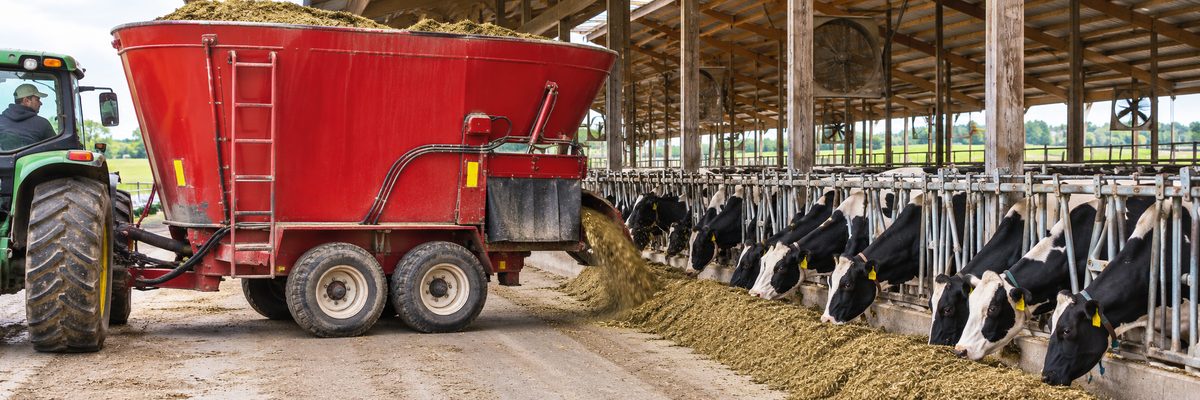
Silage spoils where oxygen lives. Packing squeezes the air out, covering keeps it out, and everything else in a bunker is a footnote. If you get three things right (thin layers, heavy packing and a tight seal), you will lose far less feed than the neighbor with the better chopper and the worse habits.
The dull truth is that shrink is paid for in the milk check. Every pound of dry matter that goes up as heat or turns to mold was feed you grew, harvested and hauled. The packing tractor is the cheapest piece of insurance on the place, and it sits on the loneliest seat at harvest.
Why density is the whole game
A dense pile holds less oxygen, ferments faster and resists heating when you open the face. A loose pile does the reverse. Dry matter loss is tied closely to density, and the cost shows up as heated feed, lower-quality silage and refusals. Extension programs commonly cite a target density in the range of about 15 pounds of dry matter per cubic foot or more, which you can measure with a core sampler and a little arithmetic. Your nutritionist or extension agent can show you how.
The factors you control are moisture, chop length, layer thickness, packing weight and packing time. Moisture is set before the chopper starts, so timing the corn silage harvest sets you up or sets you back.
Layers, weight and time
Spread thin
Spread forage in layers of about six inches or less, and keep them even. Thick layers can only be compacted at the surface, and the bottom stays loose, like a mattress with a tractor on top of it. A skid steer blade or a dedicated spreader helps. Do not let trucks dump a mountain at the back and call it a layer.
Match tractor weight to delivery rate
A common rule of thumb from silage research suggests that packing tractor weight should scale with how many tons per hour arrive at the bunker. Heavier tractors with dual wheels and good tires help, and so does a second packing tractor on big crews. If trucks are delivering faster than your packing weight can handle, slow the chopper. Silage that gets piled on faster than it gets packed does not get a second chance.
Keep packing time up
Packing should be continuous during delivery and for a little while after the last load. Many farms keep packing until the cover is nearly ready. It is also worth noting that a tractor needs to be driven with intent, not parked on the pile for ceremony. Overlap passes, run the tires into the corners and along the walls, and watch the slope. A pile that is too steep is both a rollover hazard and a loose-silage factory.
Safety on the pile
Bunker packing is one of the more dangerous jobs on a dairy. Tractors can roll on steep slopes, and silage faces can collapse. Keep the slope gentle, stay well back from edges, use a roll bar and seat belt, and do not let anyone stand or work below an unstable face. Never allow children or bystanders on the bunker. This is the part of the job where the dry humor stops.
Covering and sealing
- Finish the shape. Crown the pile so water runs off and does not pool. A flat or dished top collects rain and rots.
- Use an oxygen barrier film. A thin, low-permeability film placed directly on the forage helps limit oxygen, and it has been shown in research to reduce losses compared with standard plastic alone.
- Cover with heavy plastic. Lay the top sheet over the barrier film and overlap seams so water runs over them, not into them.
- Seal the walls. Tuck plastic down along the sidewalls, and fill any gap between plastic and concrete. Silage on the wall edge is the first place spoilage starts.
- Weigh it down. Used tires, tire sidewalls or gravel bags placed so they touch each other keep wind from lifting the plastic and pumping air into the pile.
- Cover promptly. The sooner the cover goes on after the last load, the less oxygen gets in. Many herds aim to be sealed the same day.
Check the pile after rain or wind, and patch holes as soon as you see them. Birds, rodents and cats walking across plastic can open leaks, and a small hole is cheaper to fix in October than in February. Rodent control and tidy edges pay back in less mold.
Common mistakes
- Piling too high and too steep, which makes both packing and feedout harder.
- Using one small tractor when delivery rate calls for two.
- Skipping the sidewall plastic because it is fiddly.
- Letting trucks and packing tractors fight over the same space.
- Waiting a week to cover because the weather is perfect and the crew is tired.
- Not checking packing density once the pile is done.
Sometimes the problem is not packing but the structure itself, and weighing bunkers against bags and towers may be the better conversation. Harvest is long, and you will have plenty of time to rehearse the speech to the person who wanted the wall left open. Some farm.FM contributors have found their own ways to spend time around silos, including this farm.FM piece about a farmer who hosts a podcast from a silo, which is more peaceful than a bunker in August, though the acoustics here are mostly tractor.
Feedout starts at the pack
A well-packed pile still needs a smart face. Take a clean, smooth face, remove enough silage each day to stay ahead of heating, and avoid pulling loose chunks off the top. A loose face lets air in several feet, which defeats the work you did at harvest. The steps for spotting and stopping silage heating at the face pick up where this article ends. If the pile is sized too large for your herd, the daily removal rate will be too low in warm weather, and heating is hard to avoid.
For further reading, the University of Wisconsin Extension keeps a hub of forage and silage resources, including storage topics. Cornell's PRO-DAIRY program is another respected source.
Quick answers
How thick should each layer of silage be?
Typically about six inches or less per layer, spread evenly before packing. Thicker layers leave loose pockets that trap oxygen and heat up later.
Do I really need oxygen barrier film?
Research has shown it reduces losses, especially in the top layers where spoilage usually begins. It costs more than plain plastic, so many farms weigh the price against how much silage they expect to lose at the surface.
How soon should I cover the pile?
As soon as possible after the final load, ideally the same day. Oxygen is the enemy, and every hour uncovered gives spoilage a head start.