Cleaning and Resting Calf Hutches Between Calves
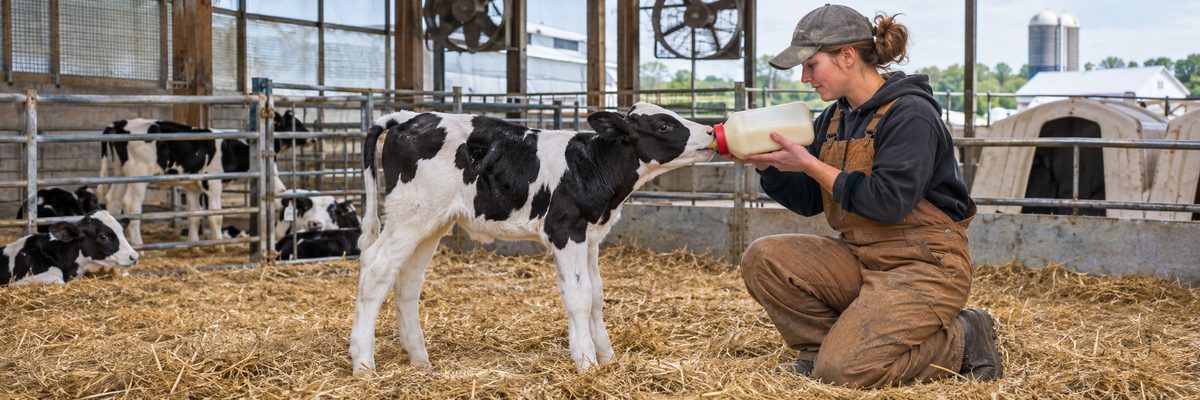
A calf hutch looks clean the minute you pull the old bedding out. It isn't. Scours germs live in the corners, on the floor under the bedding, in the cracks of the plastic and in the dirt where the hutch has sat for months. If the next calf walks into that, she's meeting last month's illness on her first day, when her immune system is still working out how it all works.
The fix is a routine that does three things in order: take everything out, wash and disinfect what's left, and then give the hutch and the ground under it a rest before it gets a new occupant. None of it is complicated. All of it gets skipped when the maternity pen is full and a new calf is already on the ground.
That last part is the reason the routine works best when it's written down and the extra hutches are already waiting.
Why the rest matters as much as the wash
Washing gets rid of manure and bedding. Resting lets sun and drying do what scrubbing can't. The Dairyland Initiative at UW-Madison describes a good hutch setup as one where the area is large enough to move each hutch to a new spot during a one- to two-week cleaning period, so the plot it sat on can be cleaned and dried. A newborn then goes into a disinfected hutch on a clean, rested plot.
That's why hutch layout matters. If you don't have room to rotate sites, you end up putting calf after calf on the same patch of ground, and the manure and mud build up in one place. Where to put hutches for airflow and drainage helps you set that up before you need it.
The between-calves routine
- Move the hutch. Drag it off its spot to a wash area or to a new, clean location. Pull the old bedding out, and don't forget what's packed under the back edge.
- Scrape and dispose. Shovel all wet bedding and manure out of the hutch and off the pad. Keep used bedding away from the hutch row and away from drainage that leads toward the next calves.
- Rinse and scrub. Use a hose or pressure washer and a brush with a detergent suitable for livestock facilities. Organic matter blocks disinfectants, so the surface needs to be visibly clean before you disinfect.
- Disinfect. Use a product labeled for livestock housing and follow the label for dilution, contact time and ventilation. Your vet can recommend a product that fits your biggest disease problem.
- Let it dry completely. A damp hutch is a good home for bacteria. Lean it on its side or leave it in the sun so the inside dries.
- Rest the ground. Leave the old site empty, rake or scrape it, and let sun and wind work on it. If it's a gravel pad, remove soiled material and add clean stone as needed.
- Re-bed with clean bedding and place the hutch. Use dry bedding, deep enough for the weather. In winter, checking nesting scores tells you whether the bed's good enough.
Don't use a disinfectant on a dirty surface and call it done. A quick spray over a manure-streaked hutch looks tidy and does very little.
Cryptosporidium and other stubborn germs
Some of the germs behind calf scours are tough. Cryptosporidium, in particular, is known to survive many common disinfectants, which is why extension and vet sources lean on physical cleaning, heat and drying instead of relying on chemicals alone. If you've had crypto in the herd, ask your vet which sanitation steps are worth the effort in your setup. Telling rotavirus, crypto and E. coli scours apart explains why the cause matters.
The general principle holds either way: remove the organic matter first, let the surface dry thoroughly, and give the site a break from calves.
What to do when you can't rest every site
Plenty of small dairies have a limited number of hutches and a calving schedule that doesn't wait. A few practical ways to cope:
- Buy or build a few extra hutches. One or two spares lets you swap a clean one in the moment the old one comes out. The spare hutch pays for itself the first time a calf doesn't scour.
- Use a hard pad. Gravel or concrete is easier to scrape and rinse than bare ground. It still needs rest and cleaning, but it doesn't turn to muck as quickly.
- Rotate in a fixed pattern. Number the sites or mark them with stakes so a crew member can see at a glance which spot is next.
- Keep a log. A line in the calf record with the hutch number and date cleaned stops arguments about whose job it was.
Keeping that log is part of the broader habit described in which calf records pay off. If you track which hutch each calf used, a bad one stands out quickly.
Don't forget the small stuff
The hutch is only part of the picture. Feeding buckets, bottles, nipples and water pails live in and around it, and they carry just as much. Cleaning calf bottles and buckets so they actually get clean belongs in the same routine, since a spotless hutch with a crusty bottle is a wasted effort.
Hay-covered boots matter too. If one person goes from the scouring calf's hutch to the healthy ones without changing gloves or rinsing boots, they've just delivered the problem for free. Do the healthy calves first and the sick ones last, and give the sick ones their own bucket and tools. Nobody will thank you for the extra steps, but nobody will miss the scours either.
Common mistakes
- Hosing the hutch and putting a calf in while it's dripping. Wet plastic and fresh bedding plus a newborn is a cold, damp start.
- Leaving manure under the back wall. It's the first place to check and the last place anyone looks.
- Moving the hutch six feet and calling it a rest. The contaminated zone is usually bigger than that.
- Skipping the rest in a hurry and expecting a scour-free year. It tends to catch up with you.
Where to read more
The Dairyland Initiative's nursing calf housing page covers hutch spacing, orientation and cleaning periods. Penn State Extension's calf and heifer health skills page is another good place to start, and your herd vet can tailor a sanitation protocol to the diseases you actually see.
Quick answers
How long should a calf hutch sit empty between calves?
The Dairyland Initiative describes a one- to two-week cleaning and drying period, with the hutch moved so the ground under it can be cleaned and dried too. If you can't manage that, give it as much time as you can, and make sure it's visibly clean and completely dry before the next calf goes in.
Do I need to disinfect or is washing enough?
Washing removes the bulk of the contamination, but disinfecting a clean surface adds protection. Disinfectants work poorly on dirty surfaces, so do the washing first, then use a product labeled for livestock housing and follow its directions.
Can I reuse the old bedding?
Not in a hutch for a new calf. Used bedding carries manure and the germs in it, so start with fresh, dry bedding every time a new calf moves in.