Breeding, Genetics & Reproduction
Dry Cow Housing and Close-Up Pen Management
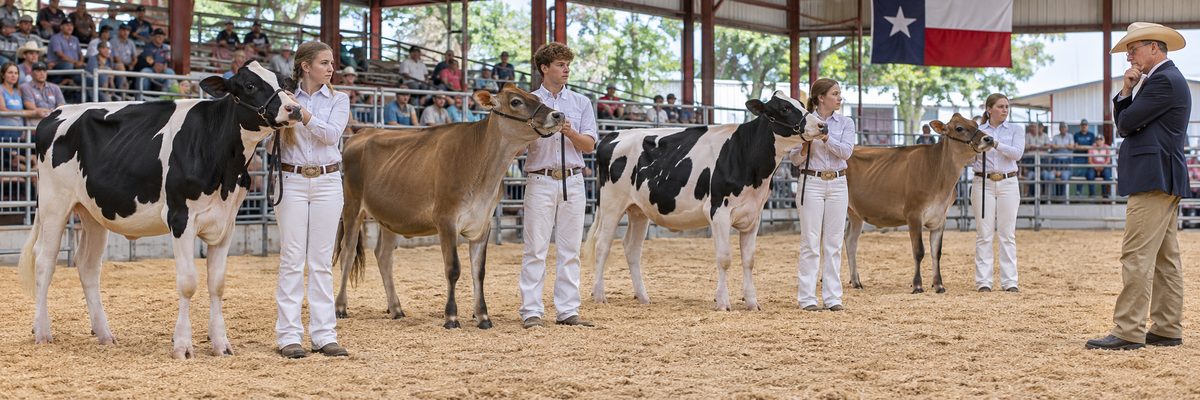
Most dairies put real money into the milking herd and then park the dry cows in whatever pen was left over. The back lot, the old heifer barn, the freestall section where the fans quit working years ago and nobody has noticed since. Then the same herd manager wonders why the fresh pen looks like a hospital ward. The dry pen heard about it first.
Here's the short version. Dry cows do best in two groups: a far-off group for the early part of the dry period and a close-up group for roughly the last three weeks before calving. Both groups need clean, dry, comfortable space, enough bunk room that the boss cow can't hold the whole feed line hostage like it's a negotiation, and as few pen moves as you can manage. The close-up pen gets the most attention because that's where the fresh cow's problems start.
What follows is how to set those pens up, how many cows to put in them, and how to manage moves, heat and the daily walk-through. Nutrition gets only a passing nod here, because close-up ration basics deserves its own article.
Why two groups instead of one
A cow that is eight weeks from calving and a cow that is eight days from calving are in different situations. The early-dry cow is resting her udder, recovering body condition and cruising. The close-up cow is a few days from a huge jump in energy demand, a surge in calcium demand, and an immune system that's busy being distracted. Feeding both the same ration means one of them is wrong.
Splitting them lets you run a lower-energy, higher-forage ration for the far-off group and a more controlled ration for the close-up group. It also lets you put the cows who are about to calve where you can see them. How long the dry period runs is a separate decision; how long a cow's dry period should be covers the length, and the 3-week close-up window rides on the end of it.
Small herds with only a few dry cows at a time can't always justify two pens. A single dry group plus a small close-up lot for cows within a couple of weeks of calving is a workable compromise.
Space and stocking: where most dry pens go wrong
Dry cows are big, and they have less patience than they did at dry-off. Extension guidance generally recommends more space per cow in dry and close-up pens than in lactating pens, because crowding is the quickest way to lose dry matter intake just when she needs it.
- Bunk space. Aim for generous feed-line room per cow so every cow can eat at the same time. Recommendations for close-up cows are typically higher than for milking cows, often around 30 inches or more per head. Check your university extension's numbers for your barn layout.
- Stalls. In a freestall pen, don't stock beyond one stall per cow, and many herds run close-up pens below that. Oversized stalls help because a cow in late gestation can't fold up the way she did a year ago, and she'll let you know about it.
- Bedded pack. If you're using a bedded pack or compost-style pen, extension sources commonly land in the neighborhood of 100 to 120 square feet per cow or more. Ask your local extension office what they recommend for your bedding type and climate.
- Water. Plenty of trough space, kept clean.
The common mistake is treating the dry pen as the overflow lot. You won't see the cost until the fresh cow checks start coming back with ketosis and retained placentas.
Bedding, footing and keeping it clean
Close-up cows are about to calve, and everything on their udders and hindquarters is going to end up on a newborn calf. A dry, clean surface protects the cow from mastitis in the weeks before and after she freshens, particularly since udder tissue changes make her more vulnerable around calving. If you're working on that side of things, environmental versus contagious mastitis is worth a read.
Sand, deep straw, and well-managed compost-style packs all work when kept dry and refreshed often. A pen that smells like a swamp doesn't, and the cows have been telling you that since Tuesday. Footing matters just as much: a heavily pregnant cow who slips on a wet alley is a long week for everybody.
Grazing herds in the Upper Midwest and Northeast often keep far-off dry cows on pasture in warm months and bring close-up cows into a bedded barn. That works until the first cold rain arrives and the springers are still out there.
Heat, wind and the weather problem
Dry cows get shorted on cooling in many Southeast and Southwest dairies, and the bill shows up later. Heat stress in the last weeks of gestation can hurt the cow's next lactation and the calf. If you only have budget for fans in a couple of places, the holding pen usually comes first, then the close-up and fresh cows. Sprinklers and soakers and fan sizing and spacing cover the setup.
In the north the problem is cold, wind and wet. Give dry cows a dry place to lie down and a windbreak, and don't ask them to share it with mud.
Pen moves and the daily walk-through
Every pen change is a social reshuffle. Moved cows lose bunk time and rest while they sort out their rank, so keep moves to a minimum and move groups together where you can.
Move cows to the close-up pen on a regular schedule, say weekly, based on expected calving date. Then move them to the maternity pen when you see calving signs, not days beforehand. Signs a cow is about to calve shows what to look for, and setting up a clean calving pen covers where she goes next.
What to check every day in the close-up pen
- Is every cow eating, and is the bunk empty-ish a few hours after feeding without being licked bare?
- Any cow standing off by herself, or lying with her head turned back and not getting up when you walk in?
- Udder filling, leaking or waxing, and a vulva that looks swollen or loose.
- Body condition. A fat cow at dry-off is still fat at calving, and that's a risk for a rough start.
- Manure that looks right, water that's clean, bedding that's dry.
A cow that doesn't come to the bunk deserves a closer look, since early milk fever often looks like a cow who just seems off.
Mistakes that cost milk
- Overstocking the close-up pen because it's the only place with room.
- Letting cows calve in the close-up pen because nobody noticed, and then wondering about the dirty calf.
- Housing heifers and mature cows together when the heifers are getting bullied off the bunk.
- Skipping body condition scoring. How to body condition score your cows takes two minutes per cow and tells you a lot about what happened during the dry period.
- Cooling the milking herd and forgetting the dry cows. The cows can't file a complaint; they'll just send it as a lower peak a few months later.
For broader guidance on dry cow facilities and transition management, the Cornell PRO-DAIRY program and University of Wisconsin Extension dairy resources are good places to start, and your nutritionist and herd vet should weigh in on your barn.
Quick answers
How many cows should be in a close-up pen?
Size the pen for your calving rate, not for the herd. A good rule is to plan for the number of cows calving over the three-week window, then keep stocking below the stall or space limit so none of them are crowded off feed. Check with your nutritionist or extension office for numbers that fit your barn.
Can dry cows go on pasture?
Far-off cows often can, especially in grazing herds, as long as the pasture isn't mud or heat-stressing them. Close-up cows are better brought into a clean, observable pen where you can watch them and control the ration.
When should I move a cow to the calving pen?
Move her when you see real signs that calving is starting, such as restlessness, a relaxed vulva, or mucus discharge, not days early. Leaving her too long in a calving pen can mean a dirty pen and a bored cow; moving her too late means a calf born in the close-up group.