Youth, Shows, Careers & Dairy Life
Leasing a Show Heifer When You Have No Barn
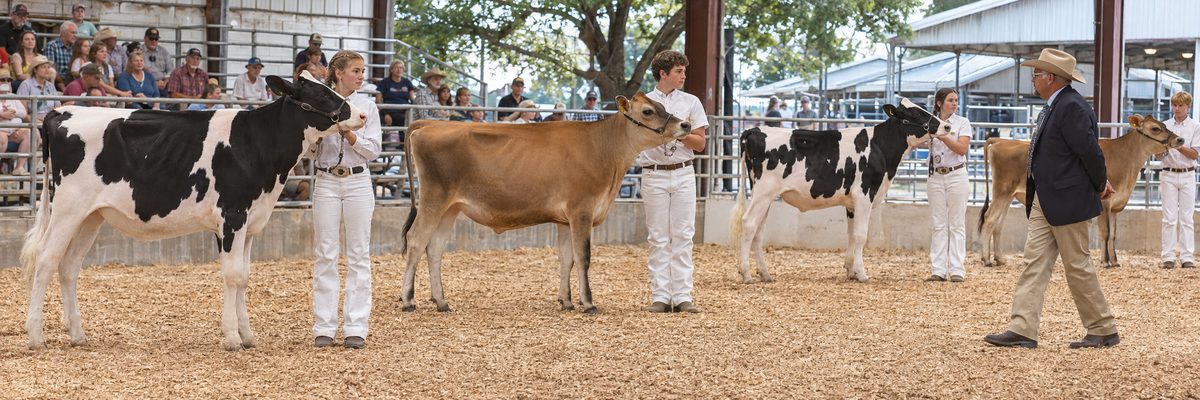
You do not need a barn to show a dairy heifer. You need a willing dairy family, a signed agreement and a way to get to their farm several times a week. Leasing programs exist for exactly the kid who loves cows and lives in a subdivision with a covenant about chickens.
In a typical lease, the owner keeps title to the heifer and usually keeps her at the home farm. The young person does the work, learns from the owner and shows her in 4-H or FFA classes. Rules vary by state, county and fair, so what follows draws on published lease programs from several extension offices. Your county's version is the one that counts.
How a lease usually works
Three public examples show the pattern.
- Indiana (Boone County). The county's 4-H dairy leasing contract says leasing is for members who do not own their own dairy animals, that a leased heifer counts as owned for the program, and that the member should be regularly involved in her care wherever she is kept. The member gets exclusive show rights during the lease period, and the heifer must be registered. The contract sets minimum work sessions at the farm and weekly time with the animal, and the owner agrees to teach, to schedule time and to help transport her to the fair.
- Delaware. The state's youth dairy cattle leasing program covers registered breeding stock of the six dairy breeds. The owner, called the sponsor, keeps the registration title and houses the animal at the sponsor's farm. The lessee keeps a project record, may exhibit in junior shows, and pays expenses of exhibiting, including the veterinarian, transportation and other costs, and keeps any premiums. The sponsor agrees not to hold the lessee liable for financial loss from injury or death of the animal.
- Ohio (Tuscarawas County). The county's 4-H dairy lease says the owner gives up the right to train the animal during the lease, the member has priority to show her, the owner cannot take her back early unless the youth is neglecting or abusing her or agrees to return her, and the member may not breed her without written permission. The member pays the expenses of care, feeding, vet services and showing unless the owner approves otherwise. Only one youth may lease an individual animal per project year, and market animals are not leased.
Three programs, one theme: the owner provides the animal and the know-how, the youth provides the work and the money for the ordinary expenses, and everything is written down.
Is leasing right for you?
Leasing fits kids who do not have the space or the money to buy and keep a heifer, and it often puts you at a working dairy where you learn more than you would with a single animal in the back lot. It also means you are working on someone else's schedule, at someone else's farm, with someone else's rules. If the farm is an hour away, that matters. If the owner is a busy dairy family, so does the owner's patience.
It will also not be free. The lessee typically pays a lease fee, feed or board where agreed, vet costs and show expenses. Look at the numbers in what a 4-H dairy heifer project really costs and compare it to buying. If you are undecided about the whole idea, how to start a 4-H dairy cattle project covers the other routes.
Questions to ask the owner before you sign
| Topic | What to ask |
|---|---|
| Lease fee and expenses | What is the fee, when is it due, and who pays for feed, vet, registration and transportation? |
| Where she lives | Does she stay at your farm? How often can I come, and what days and times work? |
| Work expected | How many work sessions are required, and what do I do each time? |
| Show rights | Which shows can I enter? Who decides? Can you also show her in open or breed classes? |
| Injury or death | What happens if she is hurt, sick or dies? Am I liable? Is there insurance? |
| Vet decisions | Who decides on treatment, and who pays the bill? |
| Breeding | Can she be bred during the lease? Who decides and who gets the calf? |
| Early return | Under what circumstances can the lease end early, and from either side? |
| Registration | Whose name is on the papers, and what do I need to show at check-in? |
| End of the lease | Does the lease renew? Is there a chance to buy her? |
Write the answers into the agreement. A handshake is nice, but a handshake does not know what to do when the heifer hurts a foot the week before the fair.
Check the rules before you shake hands
- County and state deadlines. The sample lease programs above set dates, such as ownership or possession deadlines, by which an agreement must be filed. Missing one can make the heifer ineligible.
- Approval. Some programs require your project leader or Extension educator to approve the lease. Get that in writing.
- Registration and age rules. Some programs require registered animals or an age limit for leased heifers.
- Parent or guardian signature. Most agreements include one.
- Fair rules. Your fair may have its own paperwork on top of the county's.
Call your county Extension office or 4-H educator first. They know which lease form your program uses and where it has to go.
Getting the most out of a lease
- Show up on time and do the work. The owner is putting an animal and a lot of trust in your hands.
- Ask questions. You are there to learn. If the owner clips cows for a living, watch how.
- Start halter work early. See halter training a show heifer for a plan you can run during visits.
- Keep your own records. Even if the heifer is not yours, the record book is, and it should show the hours, costs and lessons. A guide is at how to keep a 4-H dairy project record book.
- Say thank you. A written note at the end of the year is remembered, and dairy families have long memories.
Quick answers
Who owns a leased 4-H heifer?
The owner usually keeps title and the registration papers, while the youth gets the right to show and care for her during the lease. Programs differ, so read the agreement and your county's rules.
Who pays the vet bill on a leased heifer?
It depends on the agreement. Some programs, like the Delaware and Ohio examples, put routine care and showing costs on the youth unless the owner approves otherwise, but you should settle in writing who pays for serious illness or injury.
Can I lease a market animal?
Not in every program, and some, such as the Ohio county lease cited above, do not allow it at all. Leasing programs for dairy typically cover breeding heifers or cows, not animals going to market.