Youth, Shows, Careers & Dairy Life
Show Heifer Diva Behaviors and What They Mean
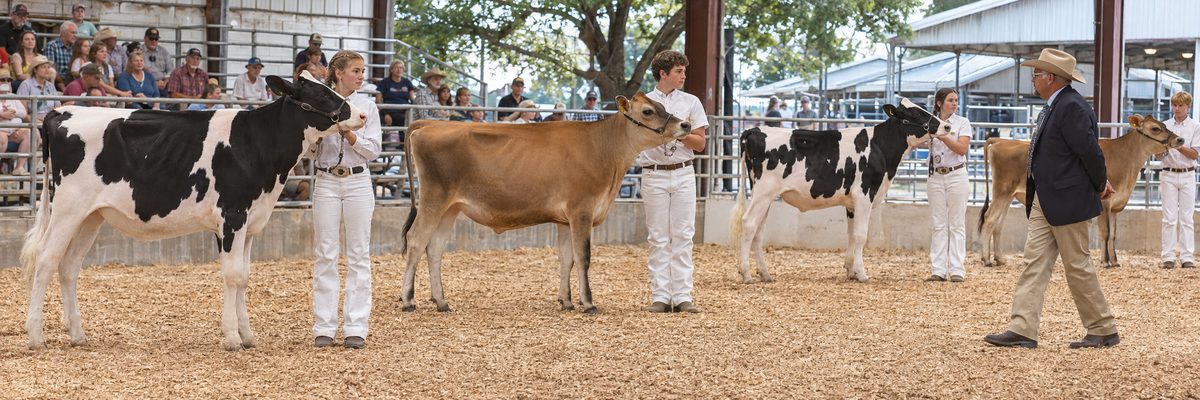
Every barn has a diva. She was perfect at home. She led like a dream, stood square for the clippers and ate her grain with manners. Then you unloaded her at the show and she turned into a different animal, planting her feet at the ring gate like she'd been paid to.
Here's the useful secret: most "diva" behavior is a heifer telling you something. She's scared, she's hurting, she's hot, she's thirsty or she doesn't understand what you want. Treating it as attitude gets you a worse heifer and a worse mood. Treating it as information gets you a calmer animal and, now and then, an early catch on a real health problem.
Keep your own safety in mind while you decode. A heifer that's upset can step on you, swing her head or kick, and you can't reason with a frightened cow. Stay near the shoulder, keep your feet clear of hers and have an adult nearby.
First, rule out the boring stuff
Before you decide she's being difficult, run the checklist:
- Is she sick or sore? Off feed, dull eyes, a hot ear, fast breathing or a limp are never attitude. Take her temperature if you know how, and call an adult and a vet.
- Is she hot? A heifer that's overheated gets cranky and quits eating. The signs are in reading cow behavior to spot heat stress.
- Is she thirsty? Strange water can mean no drinking, which means no eating.
- Is the halter or equipment hurting? A rubbing halter, a tight chain, a fresh clipper scrape or a sunburned spot can make her flinch.
- What changed? New barn, noise, lights, crowds, strange smells, a different surface underfoot, a different handler. Heifers notice things you've stopped seeing.
What the common behaviors usually mean
| Behavior | Common causes | What to try |
|---|---|---|
| Balks at the ring or gate | Slippery or unfamiliar footing, bright lights, flapping banners, other cattle in her face | Pause and let her look, walk her around the edge first, give her a moment to see what she's walking into |
| Won't lead or drags back | Fear, sore feet, a halter that bites, no clear signal from you | Check feet and halter, go back to basic pressure and release, move at her speed first |
| Kicks at the clippers, blower or when you touch her flank | Fear, a sensitive spot, flies, a sore udder or leg | Pause, check for pain or a nick, stay clear of her hind legs and ask an adult to help |
| Won't eat or drink | Heat, stress, unfamiliar water, early illness | Cool her, offer water, bring familiar feed, and call the vet if it lasts |
| Bellows constantly | Separation, strange surroundings, hunger, sometimes heat in a young cow | Give her a stall buddy within sight, keep her routine and check the basics |
| Won't set her feet or stand square | Tired, sore or unsure what you want | Shorter practice, softer cues and a break before asking again |
| Jumps or spooks at every sound | New place, noise, a nervous handler | Stay calm, keep your voice low and let her look at what scares her from a safe distance |
She isn't being difficult, she's being a cow
Cattle are prey animals. Their whole safety system is built around noticing movement, avoiding things that look odd and following the herd. A show barn is nothing but odd things: new smells, a hundred strange cattle, motors, music, kids waving flags. To a heifer, the fairgrounds are a very loud pasture full of reasons to leave.
The fix is usually exposure and patience, not force. Practice at home with the radio on, with a tarp on the ground, with someone walking by with a bucket. Work through the steps in halter training a show heifer to lead and stand until she responds to light pressure and releases. Then take her to a small local event before the big one.
If you ever doubt that cattle have personality, this farm.FM piece about a cow who opens a therapy practice is about as close as any barn gets to heifer counseling. Real heifers can't tell you what's bothering them, so you'll have to read the body language instead.
Reading her body
- Ears. Pinned back means irritation or warning. Forward and stiff means she's on alert. Soft and swiveling means relaxed.
- Eyes. White showing around the eye means fear or stress.
- Tail. A clamped or swishing tail can signal irritation, flies or discomfort.
- Head and neck. A high head and rigid neck mean she's tense. Lowered, relaxed neck means she's settling.
- Weight shift. Shifting off a hind leg before a kick is a common warning, so watch her feet, not just her face.
What not to do
- Don't hit her. It makes her afraid of you and does nothing to teach her what you want, and a judge will notice rough handling.
- Don't yank on the halter. Constant hard pressure teaches her to brace against you.
- Don't push through pain. If she's sore, resolve that before the show. A vet visit is cheaper than a lame heifer.
- Don't get between her and a wall or gate. If she panics, you're the thing in the way.
- Don't panic yourself. A nervous showman makes a nervous heifer. She'll pick it up through the lead rope faster than you can say "relax."
The beginner mistakes that pile on top of these, such as crowding the heifer or looking at the judge instead of her, are in mistakes first-time dairy showmen make and how to fix them. And once she's behaving, how to lead a dairy heifer in the show ring covers the ring work itself.
When it's time to call the vet
Call or ask the show veterinarian if your heifer is off feed for a full feeding, breathing hard at rest, coughing, has loose manure, a runny nose or eyes, a swollen joint or an obvious limp, or acts dull and won't respond to you. Penn State Extension's dairy resources are a good general reference for young dairy cattle care, but they don't replace a vet who can lay hands on her. Behavior that comes on suddenly, or that's very different from her usual self, deserves a professional look.
Quick answers
Why does my heifer act fine at home and bad at the show?
The show has new sights, sounds, smells and surfaces, and she's away from her herd. Practice at home with distractions and take her to a smaller event first so the big one isn't the first time she sees a crowd.
Why won't my show heifer eat at the fair?
Heat, stress and unfamiliar water are the usual reasons. Cool her, offer water and familiar feed, and call a vet if she skips more than a feeding or looks sick.
Is it normal for a heifer to kick during clipping?
It's common, and it's usually fear or discomfort, not meanness. Stay clear of her hind legs, get an adult to help, check for sore spots and go slowly until she's used to the clippers.