Buying Replacement Heifers: What to Check Before You Pay
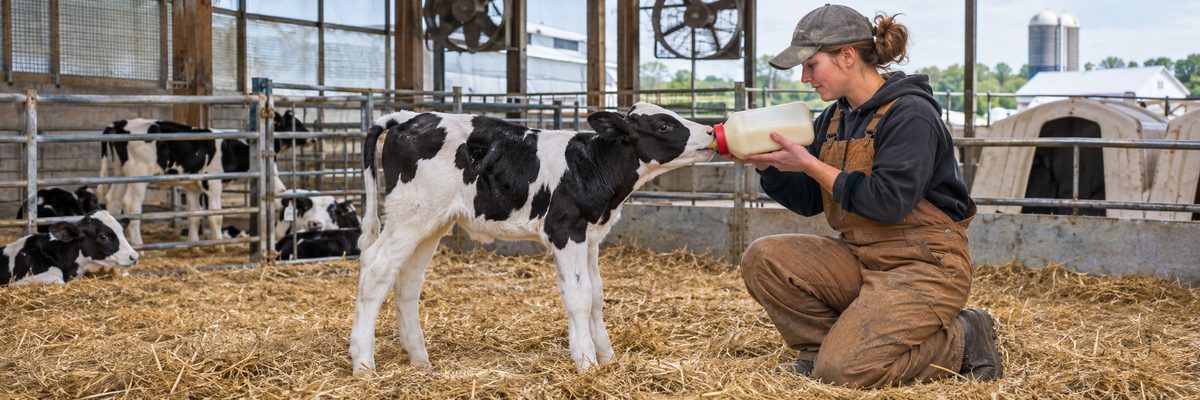
Buying replacements is the fastest way to add cows and the fastest way to add somebody else's problems. A heifer looks the same in the trailer whether she's carrying BVD, a Johne's infection or a clean bill of health, and the seller's good manners don't show up on a lab report. What protects you is paperwork, testing and a quarantine pen, in that order.
Before you pay, you want to know where she came from, what she's been vaccinated and tested for, how she's grown, whether she's actually pregnant and by whom, and what the seller will stand behind in writing. If a seller can't answer these, the price is not the bargain it looks like.
Start with the source
The safest heifers come directly from a herd you can visit, with a health program you can see. Buying through a sale barn or dealer pools animals from many farms, and each of those farms brings its own set of pathogens. That doesn't make sale-barn animals unusable, but it raises the stakes on testing and quarantine.
When you visit a source herd, look at the herd the way a buyer from outside would look at yours. Are the animals healthy and uniform? Does the owner keep records without scrambling? Does he or she talk about herd health testing without getting cagey? A seller who gets defensive when asked what the herd tests for is telling you something, and it isn't about the heifers.
The health checklist
Work through these with the seller and your herd vet before any money changes hands:
- BVD. Ask for the herd's BVD control program and test results. Persistently infected animals shed virus constantly and can wreck a breeding program. The details of BVD testing and persistent infection explain why this one comes first on most vets' lists.
- Johne's disease. It's slow, costly and hard to detect in young animals. Ask about the source herd's testing history and risk-assessment status. The Johne's Information Center has background on herd status and testing, and Johne's disease testing and control covers what the program involves for your own herd.
- Vaccination records. What was given, when, and with which products. A record of "vaccinated" is not a record. You need dates, so your own program can pick up where the seller's stopped.
- Other herd health issues. Ask about contagious mastitis pathogens, Salmonella, Mycoplasma, Lepto, and any recent abortion or respiratory problems. You won't always get a full answer, but how the seller handles the question matters.
- Parasite and lice history. Mange and lice come home in trailers too.
- Physical exam. Check eyes, nose, manure, joints and feet. Look at the udder development for heifers close to calving. Anything off goes on your list for the vet.
Testing requirements for animals moving across state lines vary, and entry rules differ by state. A health certificate from an accredited veterinarian and official identification are standard for interstate movement, but check with your state veterinarian's office or state department of agriculture for current rules, including any brucellosis vaccination or other testing requirements, before the animals ride.
Growth, age and pregnancy
A heifer can have a clean health record and still be a poor buy if she's small for her age or bred too early. Ask for birth dates, weights or heights at several ages, and compare them with the targets in heifer growth targets by age. Heifers that were stunted in the first few months rarely catch up completely, regardless of how they look once she's in a pen with a full feed bunk.
For bred heifers, confirm:
- Breeding date, sire and the method (AI or bull). Sire matters for both calving ease and the calf's value.
- Who pregnancy-checked her, when, and the result. If the sale depends on pregnancy, get it in writing and consider a recheck by your own vet at arrival.
- Age and weight at breeding. A heifer bred too small is more likely to have trouble at calving. The thinking behind breeding dairy heifers by age and weight applies to purchased animals too.
- Whether the calving-ease information on the sire fits first-calf heifers.
If genetic merit is part of the reason you're buying, ask whether the heifers have genomic results or registration papers, and make sure transfer paperwork is part of the deal. What the numbers mean and what testing costs are covered in genomic testing dairy heifers: cost and payoff.
Paperwork to collect at purchase
- Health certificate and any required test results.
- Official ID numbers that match the animals in the trailer.
- Vaccination and treatment history, including any recent antibiotic use and withdrawal information.
- Breeding and pregnancy records.
- Registration or transfer papers, if applicable.
- A bill of sale that lists the animals, price and any guarantees.
If you're keeping records in a system already, set up each heifer's file on arrival so nothing depends on a scrap of paper in a pickup visor. A little discipline here shows its value the first time a vet asks what she was vaccinated for.
Quarantine is not optional
Everything above lowers risk. It doesn't remove it. Every purchased animal should come in through a separate pen, away from your own cattle, for a period set with your vet; the full approach is in quarantine rules for new cattle on a dairy. During that time you can watch for illness, complete testing and vaccinations, and keep the animals' manure, water and equipment away from the resident herd. Thirty days is a common minimum people talk about, but your vet may suggest longer, depending on what you're testing for.
Skipping quarantine because "they came from a good herd" is the dairy equivalent of not checking the oil because the dealership said the car was fine. A good source reduces the odds; it doesn't eliminate them.
Price it honestly
Compare the asking price with what it would cost to grow your own, using something like what it costs to raise a dairy heifer. Add transport, testing, quarantine labor and the risk premium for anything the source can't verify. A cheaper heifer with no records is not cheaper once the first herd-level health problem arrives.
Mistakes to avoid
- Buying on looks and a handshake, with no records.
- Buying from several sources at once and mixing them in one pen.
- Skipping the pregnancy recheck when the price depends on it.
- Assuming a bargain sale-barn price includes a health guarantee. It rarely does.
Quick answers
What tests should I ask for on purchased heifers?
Your herd vet should set the list, but BVD and Johne's status are near the top for most dairies. Also check the state's entry requirements for interstate purchases.
How long should new heifers be quarantined?
Many herds use about a month at minimum, but the right length depends on the diseases you're screening for and your vet's advice. Keep them completely separate from your own animals until the period ends.
Is it cheaper to buy or raise replacements?
It depends on your facilities, feed costs and labor. Figure your real cost per heifer, then compare it with the delivered price including testing and quarantine, not just the sale price.