How to Cut Dairy Feed Costs Without Losing Milk
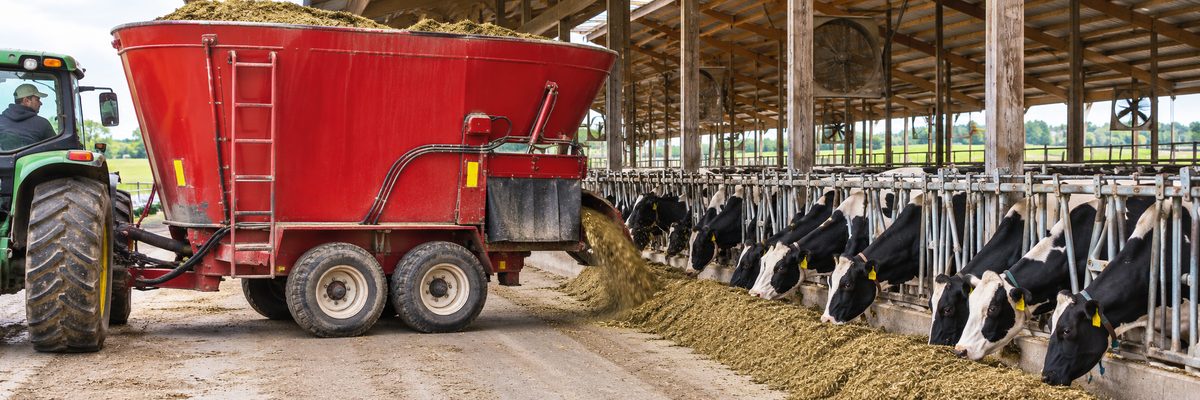
Feed is the biggest bill on most dairies, usually the largest single slice of the cost of making milk. That makes it the first place everyone looks when the milk check gets thin, and the first place people make mistakes. Cutting the ration is the easy move. It is also the one most likely to cost you more milk than it saves in feed.
The savings that stick come from three places: how you buy, how much feed you lose before it reaches a cow, and how tightly the ration matches what the cows actually need. None of those require shorting a fresh cow. Most of them require a tape measure, a scale and some honest bookkeeping.
One warning up front. A cheap ingredient that drops intake or butterfat is not cheap. The goal is lower cost per hundredweight of milk shipped, not a lower number on the feed invoice.
Start by knowing your real number
You can't trim what you haven't measured. Before changing anything, figure out what you spend on feed per cow per day and per hundredweight of milk. If you've never run it, calculating feed cost per hundredweight walks through the arithmetic, and it takes less time than arguing about it at the co-op counter.
Track income over feed cost too, not just feed cost. A pen eating a pricey ration and shipping plenty of milk may be doing better than a pen on a bargain ration that lets production sag. Look at it by group: fresh, high, late lactation, dry. The dry cows and the late-lactation cows are where overfeeding most often hides.
Shrink: the feed you pay for and never feed
Every pound that spoils, blows away or gets pushed under the fence line was paid for. Shrink is often the cheapest dollar on the farm to recover because nobody has to change a ration to get it back.
- Silage storage. A bunker that was packed loosely, covered late or uncovered at the face loses dry matter to heating and mold. Stopping heating at the face is mostly about removal rate and a clean face, and it costs nothing but discipline.
- Hay. Outside round bales on bare ground can lose a startling share of their value to weather. Storing hay properly pays back faster than most equipment purchases.
- Commodity bays and bins. Wet corners, rodents and a pile that gets shoveled from the bottom so the old stuff stays forever all add up.
- Mixing and loading. A TMR mixer that gets loaded in the wrong order, or a loader operator who leaves a scoop of feed behind on every pass, leaks money quietly.
Weigh what goes into the mixer for a week. Compare it to what the ration says should be going in. If the feed the nutritionist formulated and the feed that landed in the bunk are two different animals, you've found a leak. Think of the bunker face like a leaky stock tank. Everybody walks past it for a month before someone brings a wrench.
Refusals and feed-bunk management
Leaving a little feed in the bunk is correct. Leaving a lot is a gift to the manure pit. Most herds aim for a small, steady amount of refusals so no cow runs out, then adjust daily. If you're always feeding twelve percent over and dumping the difference, you're paying for insurance you could get cheaper.
What you do with the leftovers matters. Some can go to heifers or dry cows with the nutritionist's blessing, and some should go to the compost pile. Handling refusals and feed leftovers covers which is which, including why moldy or heated feed does not get a second career as heifer ration.
Feed pushing also pays here. Cows that can reach feed eat more of it, and cows that sort through it leave the expensive fine particles and the fiber behind. If you've been feeling bad for the person who works the feed pusher, they would agree.
Buying smarter
You aren't a hedge fund, but a little planning beats a lot of panic buying. A few approaches that work on farms of different sizes:
- Forward contract part of your needs when prices look reasonable, and leave the rest flexible. Locking in all of it is as risky as locking in none of it.
- Ask for delivered price and nutrient price. A byproduct that is cheap per ton but wet, variable or far away may cost more per unit of protein or energy than a dry ingredient. Compare on a dry matter and nutrient basis, with your nutritionist.
- Buy in volume with neighbors. Splitting a truckload of a commodity or a mineral premix can cut the price and the freight.
- Check storage before you buy. Cheap feed you can't store without spoilage is not a bargain.
Local byproducts can be the best deal in the county or a trap, depending on freight, consistency and how much the cows tolerate. Byproduct feeds for dairy cows is the place to start before you commit to a season of anything with a name that sounds like a chemistry exam.
On a related note, I'll admit the best feed-bill dodge I've read lately comes from this farm.FM cowboy poem about a possum who fakes his own death to skip a feed subscription. It's a lot of effort for a bill. You can do the same thing with a spreadsheet and keep your dignity.
Tuning the ration without hurting milk
This is the part to do with your nutritionist, not around them. A good one will find savings you can't see from the feed alley. If you're not sure the fee is worth it, what a dairy nutritionist costs and delivers lays out the trade.
Places where tuning often helps:
- Group the cows. Feeding one ration to everyone means feeding late-lactation cows like they're fresh. More groups, tighter rations.
- Forage quality. Better forage lets you buy less purchased protein and energy. A forage test costs little next to the ration it informs.
- Don't over-formulate. Safety margins on every nutrient add up. Ask which ones are earning their keep.
- Check actual intake. The ration on paper assumes dry matter intake you may not be getting. Feed the cows you have, not the cows in the software.
Cuts that usually backfire
- Cutting the fresh-cow or close-up ration. Health problems at calving cost far more than the feed saved.
- Dropping minerals and buffers without a plan, then paying in fertility and rumen trouble later.
- Switching ingredients all at once. Cows notice. They notice by eating less.
- Feeding poorer forage and hoping the grain covers it.
Make changes one at a time and watch intake, milk, components and manure for a couple of weeks. If you change five things at once, you will never know which one was the problem, and your nutritionist will have a very long afternoon.
Regional notes
Where you farm shapes where the savings are. Upper Midwest and Northeast herds with plenty of home-raised corn silage and alfalfa often save most by protecting forage quality and shrink. Large Southwest and West Coast dairies buy most of their feed, so purchasing, freight and local byproducts matter more. Southeast herds fighting heat may get more from keeping intake up than from trimming ingredients. For region-specific advice, your state's dairy extension program is a good starting point, such as Penn State Extension dairy or the UW-Madison dairy extension site.
Quick answers
What's the fastest way to lower feed cost per cow?
Look at shrink and refusals first, because you can recover that feed without touching the ration. Weigh what you load, check the silage face and bale storage, and tighten up how much you push and how much you dump.
Can I just feed less grain when milk prices drop?
Sometimes a small adjustment makes sense, but across-the-board cuts usually lose more in milk and components than they save. Run the change past your nutritionist and watch income over feed cost, not feed cost alone.
Are byproduct feeds always cheaper?
No. Price per ton can mislead once you add freight, moisture, storage losses and variability. Compare on a dry matter and nutrient basis, and bring in small amounts first to see how the cows respond.