Transition Cow Feeding Checklist
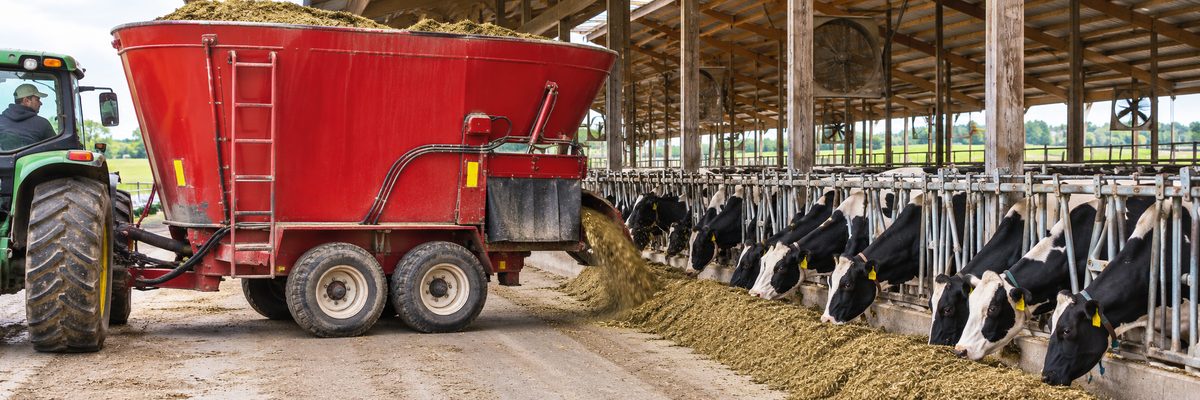
Most of the money a cow makes in a lactation is decided in the six weeks around calving. That is the transition period, usually counted as about three weeks before calving to three weeks after. Cows that sail through it milk well, breed back on time and stay in the herd. Cows that struggle can cost you in milk, vet bills and, eventually, a trip to the sale barn.
The transition pen is where the milk check gets made or lost, and it is also where the oldest barn corner and the cow nobody wants to move tend to end up. Use the checklist below as a walk-through, not a recipe. Your nutritionist and vet should tailor ration specifics, but these are the places where good herds win.
The checklist at a glance
| Stage | What to check |
|---|---|
| Dry-off | Body condition score recorded; cow grouped into far-off pen |
| Far-off | Forage-based, controlled-energy ration; clean bedding; enough space |
| Close-up (about 3 weeks out) | Move on schedule; ration with mineral plan; bunk and water access |
| Calving | Clean pen; calving help ready; colostrum plan; cow checked soon after |
| Fresh (first 3 weeks) | Intake monitored; temperature and health checks; ration steps up |
| Review | Fresh cow problems recorded and discussed monthly |
Before the dry period
- Score the cow. Write down body condition at dry-off. Aim to hold it steady, as described in how to body condition score your cows.
- Plan the dry-off date. The length of the dry period affects udder repair and the next lactation. See how long a dairy cow's dry period should be.
- Treat the udder properly. Dry cow therapy and teat sealants are a mastitis decision for you and your vet. See selective versus blanket dry cow therapy.
- Test forages. A ration built on last season's numbers is a ration built on hope.
Far-off dry cows
- Feed a forage-based ration that controls energy. Straw is often part of it.
- Check potassium levels in your forages if you plan to use an anionic close-up diet.
- Provide a mineral program suited to dry cows, not the lactating mineral.
- Keep stocking density reasonable and bedding clean and dry.
- Offer shade, fans or sprinklers in hot weather.
The details are covered in how to feed dry cows before calving.
Close-up cows and heifers
- Move cows on schedule, around three weeks before due date.
- Decide whether you are managing calcium with a low-potassium forage plan or a negative DCAD diet, and commit to the monitoring that goes with it.
- Keep fresh feed in the bunk at all times and push it up regularly.
- Watch for sorting and leftover patterns. Heifers that eat after the boss cows have finished are heifers that eat less.
- Do daily walk-throughs to spot cows off feed or showing early signs of calving.
The ration side of this is in close-up dry cow ration basics.
Calving day
Nutrition is not only about what is in the bunk. A cow that calves in a dirty pen or struggles with a hard calving needs time to recover before she can eat well. Prepare a clean pen, have help available and follow your colostrum routine for the calf. The pen setup is covered in the calving pen setup and hygiene checklist, and knowing when to assist a calving cow or call the vet saves cows and calves.
Fresh cows, first three weeks
- Offer clean water immediately and make sure cows can reach it. A fresh cow can drink a lot.
- Provide good-quality, palatable forage and a fresh cow ration. Many herds step up the ration over the first weeks, and a nutritionist can set that schedule.
- Check each cow daily for appetite, rumen fill, manure, temperature and attitude. Follow your vet's protocol for the fresh cow exam and see post-calving cow checks for the first 14 days.
- Watch for the common fresh cow problems: low calcium, retained placenta, ketosis, displaced abomasum and metritis. A cow that is off feed is telling you something.
- Keep the fresh pen uncrowded and comfortable. Stress cuts intake.
For feeding specifics, see feeding fresh cows in the first 30 days.
Monitoring that pays
You cannot manage what you do not write down. A simple record for each fresh cow goes a long way:
- Calving date and ease of calving.
- Body condition at dry-off, calving and about a month after.
- Disorders in the first month and what was done, with your vet's guidance.
- Milk yield in the first weeks.
- Manure score and rumen fill, noted at your regular checks.
Review these every month or two with your vet and nutritionist. If you see a lot of one problem, look first at the feeding and housing side before blaming the cows. Many problems in fresh cows start in the close-up pen weeks earlier. The University of Wisconsin dairy feed and nutrition pages have additional material to share with your advisors.
Mistakes to avoid
- Treating the close-up pen as a holding area, or worse, as the place where the gate that never latches lives.
- Overcrowding the dry and fresh pens, the easiest way to lose intake.
- Changing the ration suddenly. Rumens like change in small steps.
- Skipping the checks on a cow that looks fine. Subclinical problems do not announce themselves, and cows hide illness well, mostly out of spite.
- Making ration changes without a forage test and a nutritionist's input.
Quick answers
What is the transition period for dairy cows?
It is the stretch from about three weeks before calving to about three weeks after. It covers the switch from dry to lactating, when cows face the biggest changes in feed, hormones and metabolism.
What is the most important part of transition cow feeding?
Keeping intake high and steady, especially around calving. Cows that keep eating through that period usually have fewer metabolic problems.
Do small herds need a separate close-up pen?
Ideally, yes, but a small farm may use a smaller pen or a corner of the dry pen with the right ration. Talk with your nutritionist about what is practical for your numbers.