Close-Up Dry Cow Ration Basics
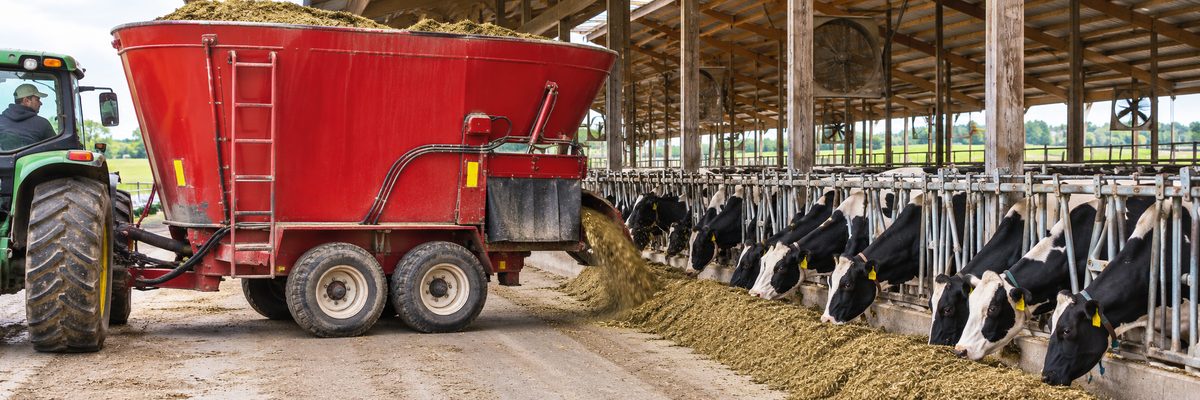
Three weeks is not much time, and the close-up pen is where a lot of fresh cow problems get decided. The close-up ration has a few jobs: keep dry matter intake up as calving approaches, get the rumen ready for the lactation diet, manage calcium so the cow does not crash at calving, and keep the cow from losing condition or gaining too much.
Many herds move cows into a close-up group about three weeks before expected calving, though some start earlier. The pen holds cows and heifers that are about to calve, which is also the pen that gets neglected when the milking string needs attention. Do not let it. It is the one pen on the farm where the cows are quiet, comfortable and about to cost you money if you look away.
What changes from far-off to close-up
Right before calving, cows eat less. Intake often drops during the last week or so, just as the calf takes up room and hormones shift. At the same time, the cow is about to produce a lot of milk. Her body goes into a deficit the minute she freshens, so the diet in the close-up pen should help limit how deep that hole gets.
Typical changes compared with the far-off ration:
- Slightly higher energy density. This comes from more grain or higher-quality forage, and it helps the rumen start adapting to the feed she will get after calving.
- Adequate protein. The late-gestation cow, the calf and the udder all use it.
- Careful mineral control. This is where calcium, magnesium, potassium and the dietary cation-anion difference come in. See what DCAD is and why dry cows need it.
- Enough effective fiber. Rumen health depends on it, and cows should not be sorting.
Think of the close-up ration as a bridge. On one side is the far-off diet, mostly forage, and on the other is the fresh cow diet, which carries a lot more starch. Cows that are moved abruptly between the two can have a rumen that has not adapted, and the first sign is often a cow that will not eat.
Calcium and the milk fever question
At calving, a cow's calcium demand jumps with the first milk. If her body cannot mobilize calcium quickly enough, she drops into hypocalcemia, which ranges from subclinical, where she looks fine but is weak and slow, to clinical milk fever, where she can go down. Recognizing the problem is covered in signs of milk fever in fresh cows, and a vet should handle treatment.
There are two common feeding strategies for the close-up pen:
- Low-potassium, low-calcium forage diets. Easier on the cow and the feed, but harder to achieve in regions where forages run high in potassium.
- Negative DCAD diets. These add anionic salts to move the cow's blood slightly acidic, which helps her mobilize calcium. They work well when managed carefully, but they can taste bad and cut intake, so monitoring is required. Urine pH testing is the usual way herds check whether it is working.
Which one fits depends on your forages, your milk fever history, and how closely you can manage the pen. Do not add anionic salts to the ration without a nutritionist's plan. Too much can hurt intake and cause its own problems.
Feeding behavior and bunk management
In the close-up pen, management matters as much as formulation. A perfect ration that cows will not eat is a bad ration.
- Fresh feed daily. Remove refusals and keep the feed pushed up, so cows always have access.
- Enough bunk space. Close-up cows, especially heifers, need room to eat without being bullied. Crowding costs intake.
- Shade and cooling in hot weather. Heat stress during the close-up period can reduce intake and hurt the calf and the next lactation.
- Clean water. Cows drink more than you think, and a dirty trough is a good way to lose intake.
- Consistent routine. Cows like predictability. The same feed at the same time helps.
Mix the ration well and watch for sorting. Cows pulling out the grain and leaving the straw are not getting the diet you balanced, whatever the printout says. A cow can pick a TMR apart faster than a teenager at a salad bar. A Penn State shaker box will tell you if particle size is part of the problem.
Heifers in the close-up pen
First-calf heifers have different needs than mature cows. They are still growing, they eat less, and they get pushed around by older cows. Some herds feed heifers and cows the same close-up ration, and others keep heifers in a separate group. Either way, make sure heifers can get to the bunk and are not left with the leftovers. Getting them used to the pen and parlor before calving helps too, and the details are in getting first-calf heifers used to the parlor.
Body condition and monitoring
Cows should enter the close-up pen at the condition score you want them to calve at, and they should not change much during these three weeks. Weigh in on how they are doing with regular scoring, and watch for these signs that the close-up program is not working:
- A high number of retained placentas, milk fever or displaced abomasums after calving.
- Cows that go off feed in the days before calving.
- Very loose or very dry manure in the close-up pen.
- Calves that are weak or slow to stand, although many things cause this.
Keep records for each of those problems and review them with your vet and nutritionist. A pattern tells you where to look. The pen layout, bedding and cleanliness also matter, and dry cow housing and close-up pen management goes through the setup.
Common mistakes in the close-up pen
- Moving cows in too late. A cow that calves a day after entering the pen never got the diet, and no ration can fix a calendar that was ignored.
- Overfeeding energy. More is not better, and overconditioned cows are the ones that go off feed.
- Ignoring forage potassium. It undermines the mineral plan, and it is easy to test for.
- Leaving the pen last on the chore list. The milking pen complains louder, but the close-up pen pays the bills three weeks later.
For a whole-program view, the transition cow feeding checklist ties far-off, close-up and fresh feeding together. The Cornell PRO-DAIRY program is a good starting point for further reading on transition cow management.
Quick answers
How long should cows be in the close-up pen?
About three weeks before calving is the common target. Some herds use a longer close-up group, and the best length depends on your barn space and how closely you can track due dates.
Do close-up cows need grain?
Often a modest amount, to help the rumen adapt to the starch it will see after calving. How much depends on your forages and your nutritionist's plan.
What happens if a cow calves early, before moving to close-up?
She can still do fine, but she missed some preparation. Watch her more closely in the first days after calving, and check with your vet if she goes off feed.