Barns, Cow Comfort & Equipment
Why Cows Stand Half In, Half Out of Stalls
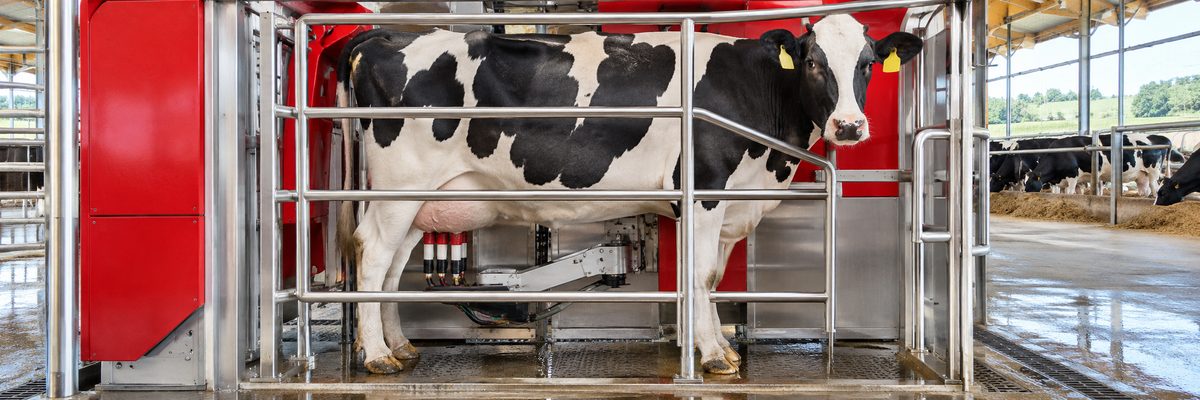
You walk the pen and half the cows are standing in the stalls with their front feet on the bed and their back feet hanging in the alley, like commuters waiting for a train that is never coming. That is called perching, and it is a signal. Cows do not do it for fun; they do it because something about lying down in that stall is unappealing.
Start with the stall: is it too small, too hard, too wet, or are the rails in the wrong place? Then look at the barn around it: heat, crowding, and how long cows wait in the holding pen. Perching is almost always a mix of two or three small problems, and fixing the biggest one usually shifts the whole pen.
What perching actually is
A perching cow stands with her front feet inside the stall and her rear feet in the alley. Sometimes she stands that way for a long time. In the worst cases, a pen will show a line of cows standing like that along the stalls while a handful of beds sit empty.
It matters because standing on concrete is hard on feet and legs. Cows that stand longer than they should tend to lie down less, and lying time is tied to rest, feed intake and hoof health. A cow that perches for hours is a cow that is not resting, and a cow that is not resting is not making her best milk.
Not every standing cow is perching. A cow that has just finished eating may stand a while before choosing a stall, and in hot weather cows often stand to shed heat. The question is whether cows are standing with their front end in the bed, and whether that is a pen-wide pattern or one cow with a sore foot.
Check the stall first
Most perching problems start with the stall. Penn State Extension notes that if cows stand with about two feet in and two feet out of the stall, or with their heads above the neck rail, the structure may need adjusting. The Penn State freestall design guide has tables to measure against. The usual suspects:
- Stall too short or too narrow. A cow that cannot lie comfortably will not try. Compare your stalls to the cow size, and revisit sizing freestalls for your cows.
- Neck rail too low or too far back. A rail that touches a cow's neck while she is standing normally makes her back away, or stand with her head up. Neck rail and brisket locator placement explains the positions to check.
- Brisket locator too high. The cow has to climb it to rise, so she avoids committing to the bed.
- Obstructed lunge space. A pipe, divider or feed barrier in front of the stall blocks the forward swing of the head.
- Divider loops that crowd the cow. Partitions that are too low, too short or too tight can make a cow feel pinned.
Spot-check by watching a few cows try to lie down. A cow that tests the bed with her front legs, shifts, then backs out is telling you the stall fails her in some way.
Then check the bed
A stall can be sized correctly and still be unattractive. If the bed is hard, wet, thin or sloped the wrong way, cows avoid it. Sand beds that have worn down, mattresses with a few shreds of damp sawdust on top, and mats that are sloppy with water all produce the same effect: cows stand in the front and refuse to commit.
Walk the stalls and kneel on a few of them. Wet knees mean a wet bed, and a wet bed is no place for a cow to rest. If that is your problem, keeping freestall bedding dry and clean is worth the effort, and for deep-bedded stalls the bedding needs to stay topped up so the rear curb does not rise above the surface as the sand wears away.
Use the kneel test honestly. Dry-ish knees after thirty seconds is a good sign. If your trousers are soaked, so are the cows.
Management and barn causes
Sometimes the stall is fine and the problem is everything else. A few other contributors:
- Heat. Cows stand to lose heat, and a barn with poor airflow makes them stand more. Fans over the stalls help; a barn with dead air does not.
- Overcrowding. If there are more cows than stalls, some stand while others lie. A stocking rate above one cow per stall is hard on lying time.
- Long waits. Cows that spend extra hours in the holding pen or locked in headlocks have less time for rest, and then they stand when they get back.
- Poor traffic flow. Dead ends, narrow cross alleys and a bully cow at the water trough all shape who lies where. See cow traffic flow for fixes.
- Feeding. Not enough bunk space leads to cows eating, standing, and waiting their turn. Feed bunk space and headlock design per cow helps figure out whether you are short.
- Lame cows. A cow with sore feet may avoid lying down or rising, and she may be one of the perchers. Ask the hoof trimmer or herd vet to look at the group, not just the obvious cripples.
A simple way to find the cause
Pick one afternoon and one pen. Do this in order, and write notes as you go.
- Count cows standing in the alley versus standing with front feet in the stall versus lying. Do it at the same time on three different days.
- Measure stall width, length, neck rail height and distance from the rear curb on five stalls. Compare to the extension numbers for your cow size.
- Kneel on five beds, including ones in the corners and ends of the row. End stalls are often the worst.
- Check barn conditions: temperature, airflow, crowding and holding-pen time.
- Make one change at a time, starting with the cheapest. Move a rail, add bedding, or fix a waterer that leaks onto the beds.
- Recount after a week. If perching dropped, you found it. If not, move to the next item.
If you only change everything at once, you will never know what worked, and the neighbor will tell you it was the full moon. An hour of this method is covered in the one-hour cow comfort walk-through.
Mistakes to avoid
- Treating perching as a cow behavior problem instead of a stall design question.
- Blaming the heifers, who just arrived and have had no say in this.
- Skipping the bed check because the steel measures right on paper.
- Making a large change to every stall in the barn before testing in one pen.
- Forgetting that the biggest cows set the minimum dimensions for the pen.
Quick answers
Is it normal for a few cows to perch?
A few cows standing in a stall at any moment is normal, especially after milking. It becomes a concern when many cows do it, for long periods, while other stalls sit empty. Pen-wide perching usually points to the stall or the bed.
Will perching hurt my cows?
Extra time standing on concrete is rough on hooves and legs, and it cuts into rest. Over time it can add to lameness problems. Your hoof trimmer and herd vet can tell you how your cows are holding up.
What is the cheapest fix to try first?
Adjust the neck rail and brisket locator on a few test stalls, and make sure beds are dry and deep enough. Both cost little, and both are common causes.