Barns, Cow Comfort & Equipment
How to Stop Cows Slipping on Barn Floors
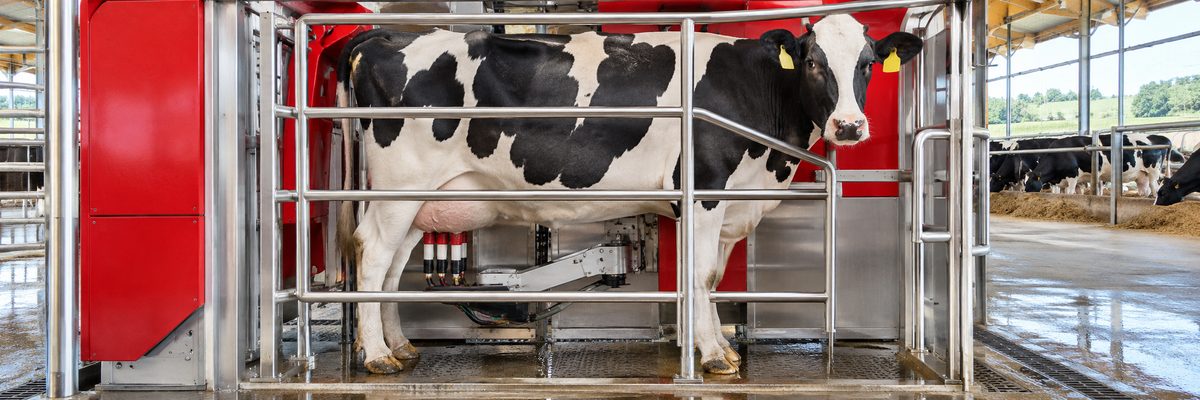
When cows slip, the floor is rarely the only cause. The usual story is a combination of worn or poorly finished concrete, a thin layer of wet manure, a bunch of cows moving faster than the surface allows and a corner where everything bunches up. Fix the traction, scrape more often, calm the traffic and the slipping usually stops.
Do not wait for a cow to go down. A cow that falls can end up with a hip, pelvic or leg injury, and even if she walks away she may lose a lot of confidence on that floor.
The cow that slips once will remember the exact spot for the rest of her life. She will also tell her friends.
How to tell your floor is slick
Stand quietly at one end of the alley and watch cows walk. Signs of a slippery floor are easy to see once you know them.
- Short, careful steps and cows walking with their heads low, as though on ice.
- Cows that stop at doorways, turns and the parlor exit and refuse to move.
- Splayed legs, slid feet or cows that land hard when they step down from a curb.
- Fewer signs of heat, since cows that fear slipping do not mount.
- Cows stuck in the stall or reluctant to leave it.
Check the floor with your own boots, but compare surfaces cautiously. A dry spot is not the same as the alley at 4 p.m. with a thin slurry layer on it. The cow comfort walk-through in the cow comfort walk-through you can do in an hour includes a quick floor and gait check.
Why floors get slick
- Worn or polished concrete. Grooves wear shallow, and the surface becomes smooth.
- Manure and water. A thin layer of slurry acts like grease. Wet alleys are slick alleys.
- Poor drainage. Flat or backward-sloping floors hold liquid, and leaky waterers keep spots wet all day.
- Traffic stress. Cows in a hurry, crowded in a corner or pushed from behind slip more.
- Sudden changes. Moving from a rough floor to a smooth one, or from rubber to concrete, changes how cows walk.
Fix 1: restore the traction
If the surface is worn, grooving or re-grooving is often the first step. A contractor with a concrete groover can cut a new pattern, and the cost is much lower than replacing the floor. The pattern and depth should match your cow size and scraper type, so talk to your equipment dealer or an extension engineer before you hire someone with a machine and a good story.
Avoid making the floor too rough. Overly aggressive grooving or abrasive finishes can wear hooves fast, which is a different problem. Grooved concrete vs rubber alley floors covers the tradeoffs, including where rubber is worth the money.
Fix 2: scrape and flush on schedule
A slick alley is usually a manure problem. Scraping more often, adjusting the blade so it removes the slurry without leaving a film and making sure the scraper actually reaches the full alley width are all cheap ways to improve traction. Look at the corners, the cross alleys and the end of the alley where the scraper stops short.
Flush systems need enough water volume and flow, and a floor slope that lets the water move. If the floor holds water, cows walk through it. See flush vs scraper vs robot manure systems for how each performs and where it tends to fail.
Fix the leaks too. A waterer that drips onto the alley, a broken roof gutter or a drain that is plugged will keep one patch wet no matter how often you scrape.
Fix 3: slow the cows and open the flow
Cows slip more when they are hurried. Dogs, noisy gates and impatient hands all add speed, and speed on a wet floor is a bad mix. Train people to move cows calmly, avoid pushing a cow into a turn and give them time at the parlor exit.
Layout counts as much as handling. Tight turns, dead-end alleys and bottlenecks at doors concentrate traffic and wear the floor. Read cow traffic flow: cross alleys and dead ends if you see cows slipping in the same spot every day. Often the fix is a wider opening, a rounded corner or a better gate, not a new floor.
Fix 4: add rubber where the stakes are highest
Rubber flooring costs more but improves footing and cushions the foot. Many herds start in the parlor exit, the holding pen approach, the fresh cow pen and the crossovers. Make sure the rubber is installed properly with tight seams and the right scraper for it.
Fix 5: watch the feet
Slipping, sole wear and lameness go hand in hand. Slick floors lead to injuries, and rough floors lead to sore soles. Regular hoof trimming, foot baths and a lameness program help catch problems early. Check how often to trim dairy cow hooves and hoof bath recipes and schedules, and ask your veterinarian to help you set up a locomotion scoring routine. Treatments and chemicals should be chosen with your veterinarian, with attention to label directions and milk safety.
Quick fix checklist
- Walk the alleys at the worst time of day and watch cows.
- Check for leaks, standing water and poor drainage.
- Adjust scraping frequency and blade condition.
- Look at traffic points where cows bunch or turn.
- Groove or re-groove worn sections.
- Consider rubber for high-stress areas.
- Train staff to move cows calmly.
- Follow up with locomotion scores and hoof trimming records.
For floor and housing information, see Michigan State University Extension dairy facilities and equipment. Your herd veterinarian can help judge whether an injury or lameness pattern is related to the floor.
Quick answers
Should I put sand on a slippery alley?
It can give short-term traction, but it can also affect manure handling equipment and drains. Talk to your equipment dealer about whether it suits your system, and fix the underlying problem as well.
How often should alleys be scraped?
Often enough that cows are never walking through a layer of slurry. Many herds scrape several times a day, and the right schedule depends on stocking, bedding and the system you have.
What do I do if a cow goes down in the alley?
Keep other cows away, stay calm and call your veterinarian. Do not drag her or force her to stand. Once she is up, find out why she fell so it does not happen again.