Dairy Business, Finance & Labor
Dairy Record Keeping: What to Track and Where
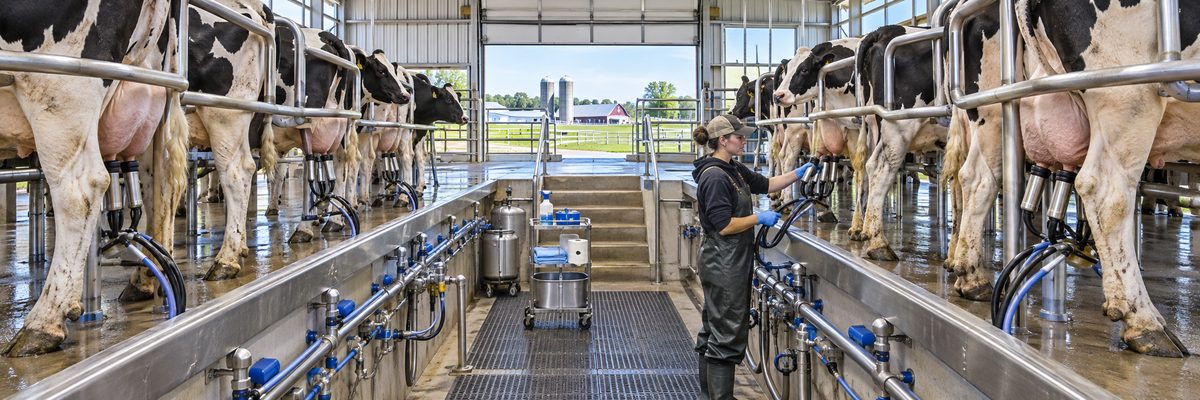
A dairy generates paper the way a freestall barn generates manure: constantly, and in volumes that surprise first-timers. Milk statements, feed tickets, vet invoices, breeding dates, treatment logs, payroll sheets, loan documents, and a cardboard box labeled "tax stuff" that has become load-bearing. Good records are not about neatness. They decide whether you can find out which cows make money, pass an inspection, support a loan application and survive a tax question without panic.
The trick is to sort records into a handful of groups, decide where each group lives, and make entering the data a habit that takes minutes instead of a weekend. This article lays out what to keep, where it tends to work best, and how long to hold on to it.
Retention periods below are general. Tax, employment and environmental permits have their own rules, and a handful of them are state-specific. Confirm with your tax preparer and your state agency.
The five record groups
1. Business and tax records
These support everything you report to the IRS and your lender. The IRS Farmer's Tax Guide, Publication 225, lists benefits of recordkeeping that include monitoring the progress of the business, preparing financial statements, identifying sources of receipts, tracking deductible expenses and supporting what you report on a return. It is worth skimming at irs.gov. What you need on file:
- Milk check statements, with the deductions for hauling, promotion assessments, co-op items and quality adjustments broken out
- Receipts and invoices for feed, vet, supplies, repairs, fuel, breeding and hired services
- Bank and credit card statements, loan statements and interest records
- Asset records: purchase date, cost, improvements, depreciation taken and sale details
- Cattle purchases and sales with dates, prices and the paperwork that backs them up
- Prior year tax returns and the workpapers behind them
2. Herd records
These are what make management decisions possible. They overlap with the production data you already see from your milk testing and herd software.
- Individual cow identification, birth date, dam and sire
- Calving dates, ease of calving, sex of calf and any complications
- Breeding and pregnancy records. See breeding records every dairy farmer should track for what to capture and why.
- Milk production and components from regular testing, along with somatic cell counts
- Health events, transfers between groups, dry-off dates and culling reasons
- Calf records through weaning and into the heifer program, covered in calf records that pay off
DHI testing programs, which work through your local dairy records organization, are a common source of cow-level production data. The national association's site is at dhia.org, and it can point you to the testing service in your area.
3. Treatment, withdrawal and compliance records
These are the records an inspector, a milk buyer or a veterinarian is most likely to ask for. Keep a written log of every treated animal: the animal's ID, the date, what was given and by whom, the label withdrawal time for milk and meat, and the date the animal is clear. Your herd veterinarian can set up the system and tell you what your state and your milk buyer require. Two related articles go deeper: keeping treatment records that pass an inspection and milk withholding times and discard records.
Other compliance records include vaccination and testing records, animal movement and identification papers for animals leaving the state, manure application and nutrient management records where required, pesticide records if you apply restricted products, and any permits and inspection reports. Water, cleaning and bulk tank records round it out, and the plant or co-op field rep will tell you what they expect.
4. People records
- Employment applications, offer letters and training logs, including safety training
- Payroll records, time sheets, tax forms and workers compensation records
- Form I-9 for every employee, kept separate from the personnel file. See I-9 paperwork for dairy employers for the retention rules.
- Written procedures and signed acknowledgments
- Housing agreements if you provide worker housing
5. Legal and insurance records
- Deeds, leases, easements, contracts with the plant, co-op or feed supplier
- Insurance policies and the yearly review summary
- Estate and succession documents
- Loan agreements and any program enrollment papers, such as Dairy Margin Coverage
How long to keep things
| Record type | General guidance |
|---|---|
| Income tax records | The IRS guide says generally at least three years from when the return was due or filed, or two years from payment, whichever is later, with longer periods in some cases |
| Employment tax records | At least four years after the tax is due or paid, whichever is later |
| Asset records | Until you dispose of the asset, plus the tax return retention period after that |
| Form I-9 | Three years after hire or one year after employment ends, whichever is later |
| Treatment and withdrawal records | Follow your veterinarian, milk buyer and state; many farms keep them for the life of the animal and beyond |
| Herd production and pedigree records | Keep permanently; they are the history of your genetics |
| Deeds, contracts, estate documents | Keep permanently or until superseded, and keep copies off the farm |
Where to keep them
You need three layers: the parlor or office for daily entry, a cloud or computer system for the money, and an off-farm backup for the stuff you cannot replace.
- Daily entry. Herd software or a notebook near the action. A clipboard on a nail in the parlor beats a perfect system that no one uses at five in the morning.
- Money records. Accounting software with receipts scanned or photographed. Choosing accounting software for a small dairy compares options.
- Paper originals. One fireproof box or cabinet for legal documents and a labeled file for each tax year.
- Backup. Cloud storage or an external drive stored away from the farm. A flood or fire hits the office and the backup drive that sits next to it.
Habits that keep it from falling apart
- Pick one person to own each record group, with a backup. Records with no owner are records with no entries.
- Set a weekly office hour. Scan receipts, enter treatments, reconcile the checkbook. Thirty minutes weekly beats a weekend marathon in March.
- Use the same names and codes for cows, groups and expense categories. "Mastitis," "mastitis treatment" and "mast." will become three different numbers in your reports.
- Write the reason for odd entries when you make them. You will not remember why that check was written next spring.
- Review the numbers, not just collect them. A monthly look at milk per cow, feed cost and treatments tells you something the shoebox never will, and it feeds straight into your cost of production per hundredweight.
Common mistakes
- Mixing personal and farm expenses on the same card without a clean way to separate them.
- Throwing away receipts because "the bank statement shows it." The statement shows the amount, not what it was for.
- Keeping treatment records on scraps of paper in a jacket pocket that goes through the wash.
- Letting one person hold all the passwords.
- Never testing the backup.
Quick answers
How long should a dairy keep tax records?
The IRS guidance says generally at least three years from the return's due or filing date, with longer periods in some situations, and at least four years for employment tax records. Keep asset records until you sell or dispose of the asset, and ask your preparer about anything unusual.
Do I need herd software or is a notebook enough?
A notebook works for a small herd if you actually write in it and can find what you wrote. As herd size grows, software makes it far easier to spot trends, track events and share data with your veterinarian and nutritionist.
Which records do inspectors usually ask for?
Treatment and withdrawal records are at the top of most lists, along with animal identification and movement records. Your milk buyer and state dairy agency can tell you exactly what they check.