Youth, Shows, Careers & Dairy Life
Southeast Humidity and Fair Season for Dairy Exhibitors
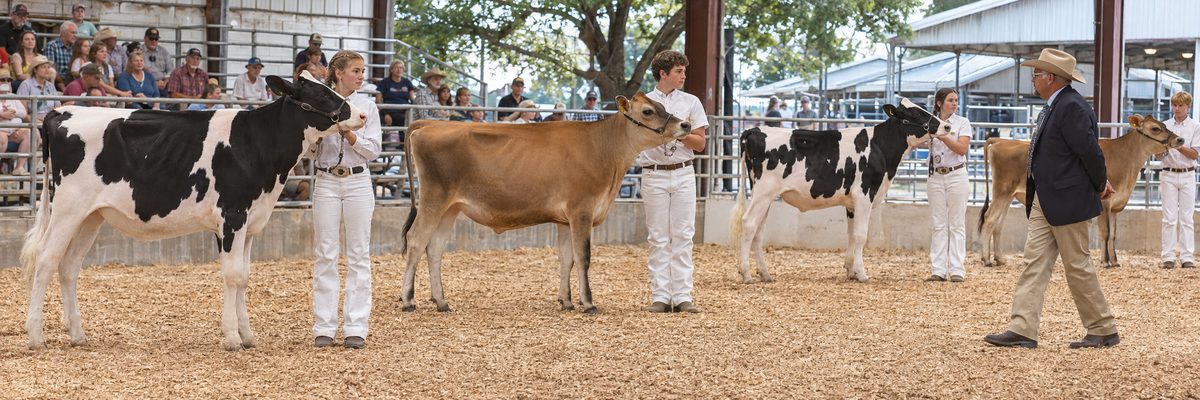
A show heifer in Georgia in July is dealing with a different problem than one in Wisconsin. Heat is only half of it. In the Southeast the air is so wet that a cow can't shed heat by sweating and panting the way she'd like, and the same wet air will keep a freshly washed coat damp until sometime in September.
The plan for a humid fair comes down to four things: airflow, a short and clean hair coat, steady access to water she'll actually drink, and a schedule that keeps her out of the sun and off the trailer in the worst of the afternoon. Do those well and a heifer will stay on feed and walk into the ring looking like she wants to be there. Skip them and you'll be leading a very expensive wet dog.
You, the exhibitor, are also going to sweat through your whites before the first class. Plan for yourself as carefully as you plan for her.
Why humidity is harder than plain heat
Dairy cattle run warm and are built to make milk, which generates a lot of body heat. They lose heat by moving air across the skin, by panting and by sweating, and all of that works poorly when the air is already carrying a lot of moisture. That's why dairy people look at temperature and humidity together rather than the thermometer alone. If you want the barn-side version of that idea, using the temperature-humidity index explains how the two numbers combine, and humid heat cow cooling in the Southeast covers what a full-time dairy does about it.
Heifers and dry cows have a smaller heat load than a high-producing milker, but a show animal is stressed by hauling, noise and strange pens, and that stress stacks on the weather. The University of Florida's dairy extension program is a solid regional resource if you want to read more about cow cooling in a hot, humid climate.
Airflow comes first
Fair barns vary from a nice open-sided building to a tin-roofed oven with a concrete floor. Whichever one you land in, move air.
- Bring your own fans. Big box fans or mounted barn fans on the stall front, aimed so the air passes across the animal and out, not just at her face. Check what the fairgrounds allow, because many have rules about cords and power use.
- Use safe wiring. Use outdoor-rated extension cords, keep plugs off the wet floor and make sure the cords can't be reached by a bored heifer. Fire in a fair barn is a real risk, and it's one of the many reasons to read the fair's electrical rules.
- Keep the aisle clear. Don't block the path of air with stacked boxes and a decorating project. The stall decorating can be good-looking and still leave a gap for airflow.
- Ask for the best spot. If you have a say in stall placement, the end of a row near an open door usually gets more breeze than the middle of the barn.
Hair coat, clipping and washing
A short, clean, well-groomed coat sheds heat better than a thick one. In the Southeast most exhibitors clip the body on a schedule that keeps the animal looking smooth through the show, and they don't leave the winter coat to the last minute. The how-to is in how to clip a dairy cow for a show, and the wash routine is in how to wash and blow dry a show cow.
Humid-weather tweaks:
- Wash in the cool of the morning or evening, not at midday on a concrete pad in direct sun.
- Dry her thoroughly. A damp coat in humid air can stay wet for hours and breeds skin trouble. A blower and a lot of patience work better than hoping.
- Don't over-wash. Frequent shampooing can strip the coat and dry the skin. Rinse with plain water between full washes.
- Use shade and a fan while she dries, not a sunny spot on the trailer ramp.
- Watch for rubbing and rashes in the skin folds, around the tail head and under the jaw, and mention anything odd to your leader or vet.
Water: the quiet problem
A cow that won't drink at the fair is a cow that will quit eating, and a cow that quits eating in heat is on the way to trouble. Fair water often tastes different from home water, and heifers are picky. Dairy cattle drink a lot, and the needs go up in hot weather, as the notes in water needs of dairy cows explain.
- Offer water often and check the buckets at every visit. Dump and refill when they warm up in the sun.
- If your heifer is fussy, ask your leader or vet about easing the switch from home water to fair water, such as bringing some from home for the first day or two. Don't add anything to the water without checking first.
- Keep buckets out of direct sun and well away from manure and shavings.
- Know what normal intake looks like at home. You can't tell she's drinking less if you never noticed how much she drinks.
Spotting trouble early
Heat stress doesn't always look dramatic. It starts with the animal standing more, lying less, breathing faster and eating less. The warning signs are in reading cow behavior to spot heat stress. Open-mouth panting, drooling, slobbering, sluggishness and refusal to eat are signs to act on quickly. Get her into shade and airflow, tell an adult and call the fair veterinarian or your own vet rather than waiting to see if she perks up. Don't pour ice water on a cow that is in real trouble or try anything drastic without advice, because the vet will want to know what's been done.
Southwest exhibitors deal with dry heat and different problems, which are covered in showing dairy cattle in Southwest summer heat. The Southeast version has the extra twist of flies and mold, so keep the stall dry, the bedding fresh and the manure out.
Scheduling and hauling
- Haul at night or early morning when you can, and don't park a loaded trailer in the sun at a gas station.
- Arrive early enough to settle. A heifer unloaded at noon after a long haul has a rough start.
- Plan the show-day order. Wash, dry and clip in the coolest part of the day, and keep her in the shade until it's time to go.
- Don't over-practice in the heat. Walk her in the cool of the morning and leave the long drills for home.
- Pack for the humidity. Extra towels, fans, a spare blower, fly spray that's labeled for use on show cattle and a lot of water for people. The county fair dairy packing list has the basics.
One more thing about the exhibitor: drink water, eat real food, and take a break in the shade. A showman who faints in the ring has made a memorable impression, but not the kind you were after.
Quick answers
Should I clip my heifer for a hot fair?
Most dairy exhibitors do clip for shows, and a short coat helps with heat as well as looks. Follow your leader's advice on timing and technique, and leave the coat clean and dry, not wet.
How do I know if my heifer is too hot?
Fast breathing, open-mouth panting, drooling, standing apart from feed and water and acting dull are warning signs. Move her to shade and airflow, get an adult involved and contact a vet quickly if she doesn't improve.
Is it okay to use a fan and a sprinkler on a show cow?
Fans are standard at many fairs, and a light cooling spray can help in the right setting, but check the fair's rules and keep her coat from staying wet and her bedding from turning to mud. If the show-day coat is already prepared, ask your leader before soaking her.