Youth, Shows, Careers & Dairy Life
Mountain West County Fairs and Dairy Goat Projects
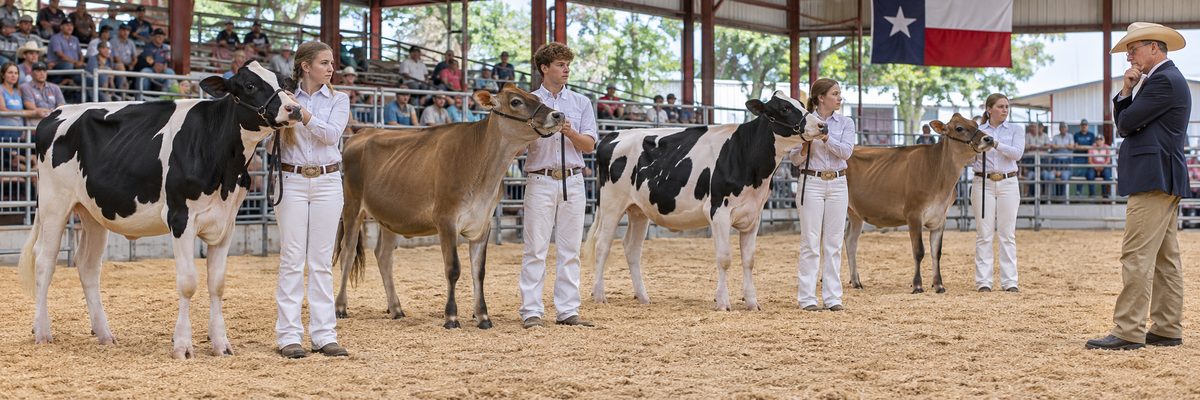
A county fair in the Mountain West is not the same event as a fair in Ohio or Georgia, even when the ribbons look identical. You are dealing with thin air, bright sun, wind that arrives with no warning, and a thermometer that can swing from hot afternoon to jacket weather by the time the lights go out in the barn. Dairy goats handle this better than most livestock, but they still need a plan.
The short version: read the fair book early, get the paperwork and identification done well ahead, build your goat's routine around water, shade and a steady feeding schedule, and pack for a week that can include heat, wind and a cold morning. Goats are tough. They are also experts at finding the one thing in the pen that can hurt them.
Know your fair before you pack anything
Every fair writes its own rules, and fair books in the Mountain West vary a lot from one county to the next. Some fairs run small and short with a single judge. Others are larger, spread over several days, and tied to a state show. Look for these items in your fair book before anything else:
- Entry deadlines and what the fair requires at sign-up.
- Ownership dates and whether the goat must be on your project for a set period.
- Health papers, identification and any vaccination or testing rules. These differ by state and sometimes by fair, so check with your county extension office or the state veterinarian's office rather than guessing.
- Breed and registration rules, including whether grade does and registered does are shown together.
- Check-in times, when the barn opens, and when animals can be released.
If you are new to goat projects, the 4-H dairy goat project guide for beginners walks through the basics, and choosing among the breeds for 4-H will help if your goat has not been bought yet.
Altitude, sun and wind
High-elevation fairs tend to have dry air and strong sun, even when the day does not feel hot. A goat with a short coat and a dark back can heat up in an open pen with no shade. Plan shade for the pen, not just for the barn aisle, and watch for goats standing apart from the others, breathing hard or refusing feed.
Wind is the other Mountain West fair surprise. A temporary pen under a tent can turn into a sail, and panels that sit loose on gravel can slide. Anchor everything you can, tie down shade cloth and check panels every morning. Wind also blows dust and straw into feed and water, so keep buckets covered or hung high when you are not around.
Nights can be cold, even after a hot day. A goat that is clipped for the show, wet from a wash, or small for her age needs a dry, draft-free corner. A blanket may be allowed or not depending on the barn, so ask the superintendent. Dry bedding is cheap insurance, and so is checking the forecast before you leave home.
Goat people in the barn will happily tell you what they think of your goat's pen setup. Smile, listen, and then do what the fair book says.
Water, feed and routine
The easiest way to lose a goat's appetite at a fair is to change her water. Goats can be picky, and a bucket of strange-tasting fairground water may mean she drinks less. Bring water from home for the first day or two if you can, and mix it in gradually with the fairground supply. In parts of the Mountain West, water can be hard or high in minerals, which is another reason to watch how much she is drinking. The hard water article for the Mountain West explains why it behaves the way it does in a milking setup, and the same logic applies to the wash rack.
Keep her feed, hay and minerals as close to what she gets at home as you can. Changing the ration in fair week is how a perfectly good doe ends up with a stomach ache the night before the show. If you are not sure what she should be eating, feeding dairy goats hay, browse and grain covers the basics.
If she is a milking doe, keep to her normal milking schedule. A full udder on show morning is not the goal, and a doe who is uncomfortable will not show well. Ask your leader, the fair superintendent or your herd vet how to handle her udder during fair week and what the show expects.
Show day for goats
Dairy goat shows follow a predictable pattern. The American Dairy Goat Association explains that shows are first divided by breed, then by sex and age class, and the first-place winners of each class compete for champion. Some shows combine a few breeds into an "All Other Purebred" division when entries are small. Many fairs run showmanship as a separate class. For more on how it works, see dairy goat show classes explained and setting up a goat for showmanship.
The ADGA guide also says that an animal is judged on general appearance, dairy strength and body capacity, and for senior does, the mammary system as well. Your goat does not need to be perfect. She needs to be clean, trained to walk and stand, and healthy.
Show day goes best when you have a plan the night before. Lay out your show clothes, check your halter or collar, and make sure you can find your registration papers if the show asks for them. The county fair dairy barn packing list covers the rest.
If your goat is the type to chew everything that sits still, this farm.FM piece about a goat who opens an art gallery may sound uncomfortably familiar, especially if the gallery is your show box.
A simple Mountain West fair week plan
- Two to three weeks out: confirm health paperwork, identification and entry details with the fair office or extension agent.
- One week out: practice walking and setting up, finish any trimming or clipping the show allows, and check feet.
- Day before: load feed, hay, water from home, shade cloth, bedding, clips and zip ties.
- Arrival day: set up the pen, anchor everything, give her water and a quiet hour before you do anything else.
- Each morning and evening: check water, feed, bedding, her droppings and her attitude. A goat that is off feed deserves a call to the vet.
Mistakes to avoid
- Waiting until the last week to find out what paperwork the fair wants.
- Putting a goat under a tent with no anchor and no wind plan.
- Washing and clipping on a cold day with nowhere warm for her to dry.
- Switching feed or water without an easing-in period.
- Leaving the pen latch for later. Goats are the reason the phrase "escape artist" exists.
If you are looking for a show to attend before fair, ADGA keeps a list of sanctioned dairy goat shows, and its guide to dairy goat shows is a good read for a new exhibitor and the parents who are driving.
Quick answers
Do goats need special care at high-elevation fairs?
Not special, but careful. Plan for dry air, strong sun, wind and cold nights, make sure she has shade and plenty of water, and keep her feed steady. Call your vet if she goes off feed or breathes hard.
What health papers do I need to bring a dairy goat to a county fair?
It depends on your state and the fair, so ask the fair office, your county extension agent or the state veterinarian's office well before the show. Requirements can include identification and a health certificate.
Can I show a grade dairy goat at a county fair?
Often yes, but it depends on the fair book. Many county fairs have a recorded grade or grade class, and ADGA notes that recorded grade does are shown separately from the purebred classes at its sanctioned shows.