Youth, Shows, Careers & Dairy Life
How to Wash and Blow Dry a Show Cow
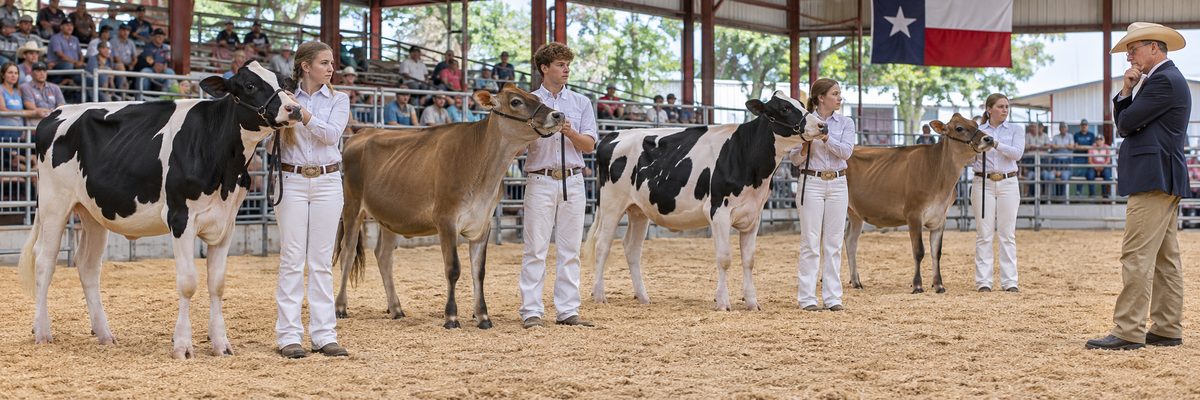
A clean cow is the cheapest improvement you will ever make to a show animal. No feed program, no clipper blade and no amount of adhesive spray beats a hair coat that is free of manure stains and dry enough to fluff. It also takes nothing but soap, water, a little patience and a heifer who has decided not to lie down in the one muddy spot in the barnyard. She has not decided that, so plan accordingly.
The short version: rinse her until the water runs clear, lather her in sections, rinse again until no soap is left, scrape off the extra water, and dry her with a blower or in warm moving air while you brush the hair the direction you want it to go. Do the big wash a week or two before the show to lift old stains, and the final wash right before you head for the ring.
Why the wash matters to the judge
In junior shows the animal's appearance is part of what gets scored. The University of Georgia Extension fitting guide lists dirt or dust in the hair coat, dirt or wax in the ears, and feet that were not cleaned among the faults an exhibitor can be marked down for, along with an unbrushed switch and a muzzle that was not wiped. None of those faults is expensive to fix. They just take time on show morning, which is the one commodity nobody has.
The same guide recommends starting to wash a week or two before the show. It feels pointless, since she will dirty up again by suppertime. But early washes lift stubborn stains on the knees and hocks and give you time to spot skin problems like ringworm and get your vet's advice.
What you need
- A hose with a gentle spray nozzle and water that is lukewarm if you can manage it. Cold well water in a cool barn is hard on a cow and harder on you.
- Livestock shampoo, or a mild soap you have tested on her before. The Georgia guide notes some people use ordinary laundry or dish detergent, but a product that over-dries the skin leads to flakes and a dull coat.
- A whitening shampoo for the white markings, used by the label. The same guide says not to use bleach. It irritates the skin and can leave white hair looking yellow.
- A scrub brush or rubber curry, a sponge for the face and a soft brush for the switch.
- A sweat scraper or squeegee to push water off her coat.
- A livestock blower or a barn dryer, plus brushes and combs to work the hair as it dries.
- Towels. More than you think. The cow will claim at least one.
Setting up the wash rack
Pick a spot with non-slip footing and drainage. A wet concrete floor with a nervous heifer on it is how people get hurt, so rubber mats or a rough-finished slab matter more than any product on the shelf. Tie her short and high with a halter and a quick-release knot, and never leave her alone while she is tied. If she has not been tied and handled much, work on halter training first. A heifer who fights the rope on wash day will spend the whole show season being washed under protest.
Blowers and dryers should run on a grounded, ground-fault protected outlet, with cords up off the floor and away from puddles. Water and extension cords have a long history together, and it is not a good one.
Step by step
- Soak her to the skin. Start at the legs and work up, letting her get used to the water before you reach her back and face. Thick coats take longer to wet through than you would expect.
- Lather in sections. Work shampoo into the hair with a brush or curry, starting with the dirtiest parts: legs, hocks, knees, belly and tail. Then do the body, neck and head. Scrub down to the skin, not just across the top of the hair.
- Treat the white. Apply whitening product to white markings per the label and give it the time stated there. Do not leave it on longer on the theory that more is better.
- Clean the switch. Dunk or work soap through the tail switch and rinse until the water is clear. A switch dried with manure still in it will fluff like a wet mop.
- Do the face and ears gently. Use a damp sponge or cloth rather than a hose in the eyes. Wipe the muzzle and the inside of the ears, where wax collects.
- Rinse until no soap remains. Residue leaves a film, itchy skin and flat hair. Rinse longer than seems reasonable, then rinse once more.
- Scrape and towel. Run the scraper down her sides and legs with the hair, then pat the head and legs with a towel.
Blow drying without wrecking the coat
Most of the fluff in a hair coat comes from how it dries. Hair that air-dries flat against her side stays flat. The idea is to dry it moving, with a brush, in the direction you want it to lie.
Keep the dryer a hand's width or more from her skin and keep it moving. Heat held in one spot can irritate the skin, and the noise scares many young animals. Introduce the blower at a distance and aim it at her shoulder before you aim it at her face. Do not blow directly in her eyes, ears or nose.
While the hair is still damp, brush it. On most of the body that means brushing with the lay of the hair to get it clean and straight. On the topline, the Georgia guide notes that warm air blown against the direction of growth helps the hair stand. If you plan to clip, the finishing work, topline and blending are covered in how to clip a dairy cow for a show, and the clipper and blade breakdown will help you spend your money well. Wash before the clip so the blades run clean, then wash again after the final clip and do the last fitting once she is dry.
If you are curious how a cow might feel about all this, this farm.FM piece on a cow who opens a spa suggests the animals may be ahead of us on the whole facial-and-hooficure business.
Weather and timing
In a cold Upper Midwest barn, a wet cow is a chilly cow. Wash in the warmest part of the day and keep drafts off her. In hot, humid Southeast country the wash doubles as cooling, but she stays damp a long time, so you need airflow. In the Mountain West and Southwest, hard water can leave a film, so rinse thoroughly and ask local exhibitors what works with the fairgrounds water.
Mistakes to avoid
- Washing so often that her skin dries out and flakes, or using bleach on the white hair.
- Skipping the rinse. Soap left on the hair shows up as dull patches and dandruff-looking dust.
- Washing and tying her out in a cold wind.
- Piling on adhesives and powders. The Georgia guide lists excessive fitting products among the faults that can cost placings.
- Forgetting the feet. A beautiful hair coat on a cow wearing yesterday's manure on her hooves looks like a cover-up.
Your show box needs everything on the wash-day list too, so cross-check it with the dairy show box checklist. And once you are in the ring, the clean coat is only half the score, since how showmanship is judged also covers how you lead and set her up.
For a thorough reference from a land-grant university, the University of Georgia Extension guide to fitting and showing dairy animals covers cleaning, clipping, toplines and the ring.
Quick answers
How often should I wash my show heifer?
Start a week or two before the show to lift old stains and check her skin, then give her a final wash just before the show. In between, rinse and brush as needed rather than lathering her daily, which can dry out her skin.
Can I use dish soap or laundry detergent on a cow?
Some exhibitors do, and extension guidance acknowledges it, but the key is that it does not dry out her skin and that you rinse it all out. Test any new product on a small area and ask your leader or herd vet if she has a skin problem.
Should I wash her before or after clipping?
Wash before clipping so the hair is clean and clipper blades do not clog, then do a final wash and dry after the last clip. Most exhibitors do the final clip two to three days before show day, per the same Georgia guide.