Youth, Shows, Careers & Dairy Life
How to Clip a Dairy Cow for a Show
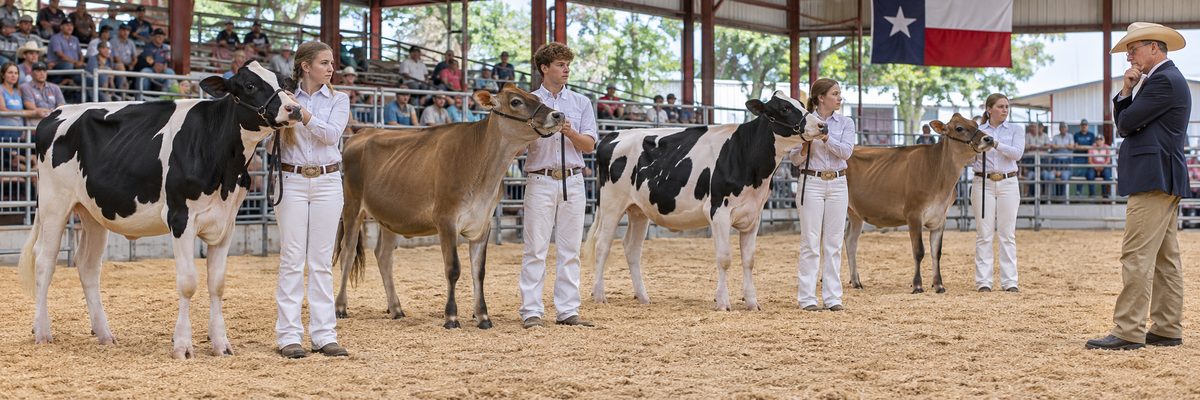
Clipping a show cow is a lot like cutting a toddler's hair: you need a calm subject, good light, sharp tools and low expectations for the first try. The reward is a clean, smooth animal that shows her shape instead of her winter coat. The risk is a patchy clip and a heifer that now associates clippers with unpleasant experiences, so go slowly and practice on an animal that isn't going to the show.
The short plan is this: wash and dry her first, do a practice clip two to four weeks ahead, do the final clip no more than two or three days before the show, clip against the hair on the body and with it where you want to blend, and leave a strip along the topline to build later. The details below follow the University of Georgia extension bulletin on fitting and showing dairy animals, plus general fitting practice.
When to clip
The Georgia bulletin says it's up to you when to start. Some exhibitors do initial clipping sessions two to four weeks ahead of the show, which gives you time to spot and treat problems such as ringworm or warts. The final clip, though, shouldn't come more than two or three days before show day. Clip too early and the hair grows back enough to make blending your topline harder, and the judge's scorecard lists clipping too early, with hair that looks long, as a moderate fault.
Regional timing matters too. In the Upper Midwest and Northeast, winter coats are thick and barns are cold, so a clipped animal may need a blanket and a dry, draft-free pen. In the Southeast and Southwest, heat and humidity mean a clipped animal stays more comfortable but is more exposed to sun and flies. If you're getting ready for a cold-weather show, prepping show heifers in a cold Upper Midwest barn covers keeping her warm after the clip.
Get set up
- Clean animal. Clippers dull fast on dirt. Wash and dry her first. If you're not sure how, how to wash and blow dry a show cow walks through it.
- Tie her short and safe with a quick-release knot, on non-slip footing, with a helper if she's new to this.
- Good light and a dry floor. A barn with shadows hides clipper lines until the judge finds them.
- Cord management. Keep cords up out of manure and water, off the floor where hooves can get them, and plug into a grounded, protected outlet. If the setup looks risky, fix it before you start.
- Sharp, clean blades and spare clippers. The best clippers and blades for fitting dairy cattle are covered separately, but at minimum have a clean, oiled set and a spare.
Be ready for a calm session. Clippers hum, vibrate and get warm, and some heifers dislike all three. Let her sniff the clippers and feel the vibration on her shoulder before you go near her face. There's a cowboy poem on farm.FM called Bulls in the Beauty Salon, and the title alone sums up how most heifers feel about the first clipper session.
What to clip
The bulletin describes a body clip as including the head, neck, ears, the complete body (aside from a path of hair along the top on which to build the topline), the tail above the switch, and the legs, from the knee or hock up at a minimum. The underside can be left unclipped. Many exhibitors leave belly hair, blended into the chest floor or up alongside the elbow, because it can give the illusion of more depth of rib. Shorten it with scissors or blades so you can't see through it. If your show or your leader has rules about which areas can be clipped, follow them.
Which way to run the clippers
The bulletin gives a useful rule of thumb. Clipping against the hair growth shortens the hair according to your blade, and clipping with the growth blends it. For a full body clip you work against the growth. Pay attention to going against the bone and getting a close clip in the hollows, such as around the hips and short ribs, because this adds refinement. Some exhibitors leave hair slightly longer in particular places to blend one part of the animal into another.
Work in long, even strokes, don't dig in and don't go back and forth over the same spot. Let the blade do the work. If the clippers get hot, stop and swap or cool the blades. Ask someone to check your lines from a few steps back, since the view from the shoulder isn't the one the judge has.
The order that tends to work
Orders vary by fitter, but a common approach is to start with the body, where mistakes are easiest to fix, then do the legs, the tail head and the neck, and finish with the head and ears when the heifer has settled. Many people do the head last because heifers are more sensitive there. After clipping, wipe her down, check for nicks, and put away the clippers where nobody steps on them.
The topline
The topline is the strip of hair along the back that you shape and set with a brush, dryer and adhesive. The Georgia bulletin says the topline should follow the Purebred Dairy Cattle Association show ring ethics, which limit naturally growing hair to one inch and prohibit adding foreign objects, hair or hair substitutes. The aim is a topline that adds shape without distracting. As you look from the side, you shouldn't see through it.
The key is blending. Hair length should increase gradually from the body clip to the tallest point of the topline, and the blending can begin an inch or more out from the center of the back. There should be no abrupt starts or stops at the neck, shoulder or tail. Topline scissors help with final touches, and the rump should look squared off, not rounded, from the side. If you're learning, practice on heifers that aren't going to the show.
Mistakes to avoid
- Clipping the day before without a plan to fix errors. Do a practice clip weeks ahead.
- Skipping the legs. The bulletin lists legs not clipped as a moderate fault.
- Clipping too much. Excessive clipping and incomplete clipping are both on the fault list.
- Letting clipper lines show. Blend where hair length changes.
- Using dull or dirty blades, which pull and leave tracks.
- Rushing a nervous heifer. If she's fighting, stop and try again later.
For packing the right supplies, the dairy show box checklist keeps you from standing at a fair with a topline brush but no clipper oil. If it's your first show season, mistakes first-time dairy showmen make and how to fix them has more to watch for. The University of Georgia bulletin Is Your Heifer Fit to Show? includes diagrams of the clipper direction and a well-blended topline.
Quick answers
How long before a show should I clip my cow?
The Georgia bulletin suggests practice clips two to four weeks ahead and a final clip no more than two to three days before the show. That keeps hair from growing back enough to make blending difficult.
Do I have to clip the legs?
Plan on it. The bulletin lists legs not clipped as a moderate fault and recommends clipping from the knee or hock up at a minimum. Check your show rules for anything different.
Can I clip a heifer that has never been clipped?
You can, but introduce the clippers slowly. Let her get used to the sound and the vibration on her shoulder, and do a short first session. A heifer that learns clippers are boring is easier to fit than one that learns they're an emergency.