Youth, Shows, Careers & Dairy Life
Decorating Your Dairy Stall at the County Fair
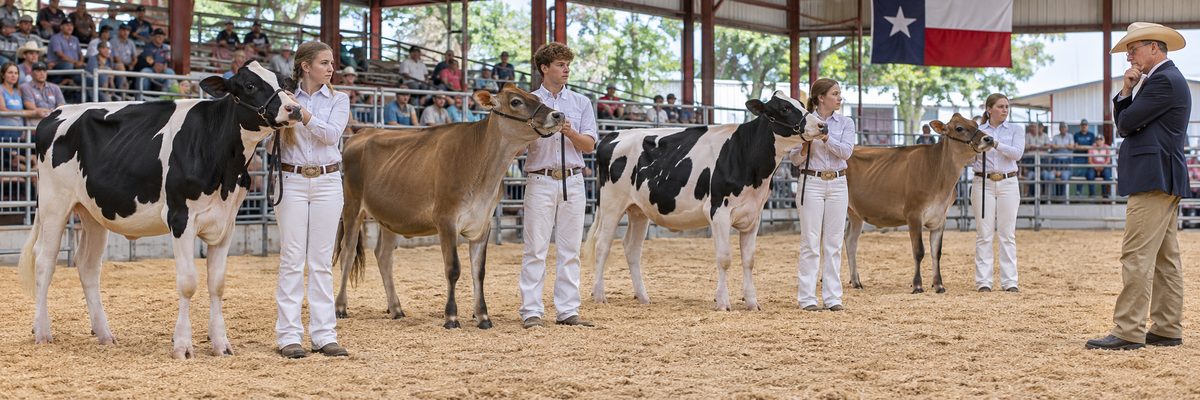
A decorated stall is the part of the county fair that families enjoy most and animals notice least. Your heifer cares about hay and shade. The people walking the aisle care about a clever sign, a photo of the calf at two days old and a stall that looks like someone cared. Done well, a stall display tells the public what dairy farming is. Done badly, it becomes a fire marshal's story.
The rules come first and the ideas second. Read the fair book for the stall decorating and herdsmanship rules, keep the aisle clear, use only safe materials the animal cannot eat or tangle in, and make sure the pen is clean before anything else is hung. A decorated pen with a dirty floor will lose to a plain pen with a clean floor every time.
Find out what the fair allows
Stall decorating rules vary widely. Some fairs encourage it and hold a contest. Some allow club signs but not much else. Some restrict anything that blocks the view of the animal, hangs over the aisle or attaches to the building. A county fair book from Nebraska Extension, for example, ties herdsmanship to cleanliness, clear identification of every pen with the club or exhibitor name, and cleaning stalls before the morning cut-off, and notes that club signs and stall decorating are allowed. The details in your county will differ, so ask the superintendent or your leader if you are unsure.
Questions to answer before you buy poster board:
- Is there a decorating or herdsmanship contest, and how is it scored?
- Can you attach things to panels, posts or walls, and with what?
- Are there height or width limits for signs?
- Are open flames, candles and string lights banned? (Many fairs ban open flames outright and restrict the rest.)
- Do decorations need to come down before the animal show or after the release?
Safety and animal welfare first
An animal in a decorated pen is still an animal, and animals chew, rub and knock things over. Use the following as a baseline, then follow whatever the fair adds.
- Nothing within her reach. Hang signs and banners outside the pen or on the back wall, away from where she can pull them down. Cows and goats will eat paper, cloth and tape.
- No tinsel, plastic wrap or loose string. Anything an animal can swallow is a health risk.
- Keep electrical safe. Lights and cords should be rated for the use, kept dry and off the floor, and never run through bedding. Many fairs forbid decorative lighting entirely.
- Keep it fire-smart. Barns hold dry hay and straw. Avoid anything that could ignite, and keep decorations away from fans and heaters.
- Leave airflow open. Heavy curtains or tarps on the sides can trap heat. In hot country, see showing dairy cattle in southwest summer heat before you hang anything that cuts the breeze.
- Do not block the view. Visitors, judges and fair staff need to see her, and she needs to see out.
Display ideas that work
Theme the pen
Pick a theme your family can pull off in a couple of evenings. Farm and food themes work well because they tie to dairy: "From Pasture to Pint," a family farm theme, a state or movie pun, or the name of your heifer. A pun is the cheapest decoration in the world and, if the fair crowd groans, it is working.
Tell her story
A one-page animal card makes a better display than a sheet of glitter. Include her name, breed, birth date, sire and dam if known, and a sentence or two about what she is like. A few facts about dairy life, such as what a cow eats or how milk gets from farm to store, turn a stall into a classroom. Only use facts you have checked from a reliable source, like your extension office or your project book. If you want to show off your work, a copy of a record book page or a photo timeline adds depth. How to keep a 4-H dairy project record book will help you collect the material as the project goes on.
Add photos and a project board
A small board with photos from calf to show heifer, a list of what you did and a few lines on what you learned is the sort of thing a herdsmanship judge or a curious fairgoer reads. Keep it tidy, large-print and at adult eye level.
Keep it uniform for clubs
If your club decorates together, some fairs require uniform club signs. Agree on colors, sizes and the sign layout before you start so every pen looks like it belongs to the same herd.
By the third night of fair, the aisle starts to feel like a runway, which is a fine excuse to read this farm.FM post about fashion shows in the barn and then check that the animal looks as good as the pen.
Herdsmanship: what judges actually score
Most fairs that reward stalls care more about herdsmanship than about glitter. That means:
- Clean stalls and alleys, with manure and wet bedding removed throughout the day.
- Fresh bedding, full buckets and tidy feed storage.
- Clear name and exhibitor identification on every pen.
- An orderly show box and supplies, out of the walkway.
- Courteous behavior from exhibitors and families.
The Nebraska Extension fair book mentioned earlier also notes that herdsmanship duties belong to the youth exhibitor, not the leaders and parents, and that uncleaned stalls after the animals leave can disqualify an exhibitor from herdsmanship recognition. Your fair may be similar. It is a good habit anyway, and the packing list for the county fair dairy barn includes the stall tools that make it easy.
A simple plan for decorating
- A week before: read the rules, choose a theme and sketch the layout.
- Several days before: make signs, print animal cards and test how everything attaches, using a method the fair permits.
- Arrival day: set up the animal first, bedding, water and feed. Then decorate.
- Each day: repair, straighten and clean. A sign that fell down yesterday looks worse than no sign.
- Release day: take everything down, clean the pen and leave the aisle as you found it.
If you are unsure how fair week unfolds around the decorating, what happens during fair week for dairy exhibitors gives the order of events, and the dairy show box checklist covers tape, zip ties and the other things that hold a display together.
Mistakes to avoid
- Decorating before cleaning.
- Hanging anything the animal can reach.
- Blocking airflow or the view of the animal.
- Making claims on your sign you have not verified.
- Staying up until midnight on a banner and showing up to the ring sleepy.
For a sample of how one county organizes herdsmanship and stall decorating, see the Nebraska Extension herdsmanship and stall decorating rules for Cedar County.
Quick answers
Do I have to decorate my stall at the county fair?
Usually no, unless your club or the fair requires it. Many fairs only require identification signs and a clean pen. Decorating is optional and mostly for fun and public education.
What materials are safe for a stall display?
Paper, poster board, wood and fabric hung out of the animal's reach are the usual choices. Avoid anything an animal can chew or swallow, open flames, loose wiring and anything that blocks airflow, and follow the fair's rules.
How are decorated stalls judged?
It varies, but many fairs weigh cleanliness, neatness, identification and presentation more than decorations. Ask the superintendent how your fair scores it so you can focus on the right things.