Southeast Forage Options: Bermudagrass and Winter Annuals
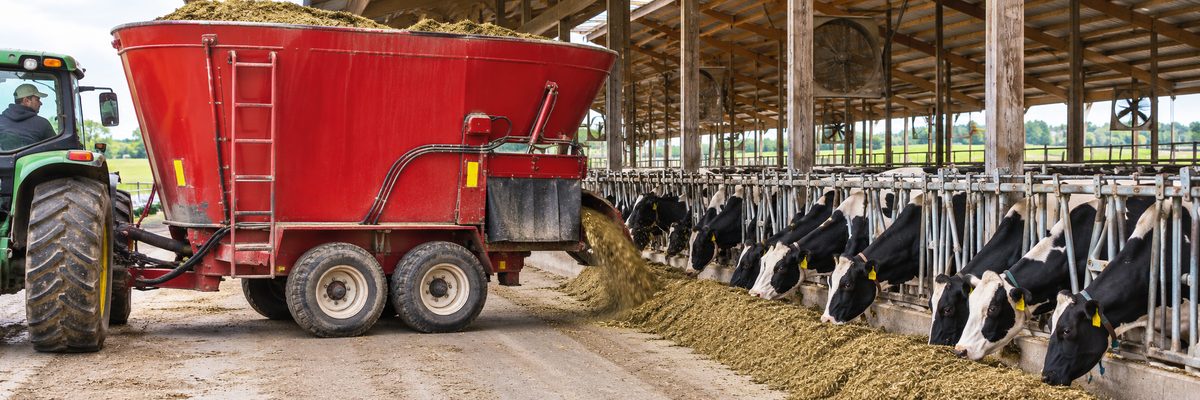
In the Southeast, the forage plan is really two plans stitched together. Warm-season perennials like bermudagrass carry you through the long growing season, and cool-season annuals like ryegrass, oats, rye and triticale fill the winter and early spring gap. Corn or sorghum silage usually sits in the middle as the energy backbone. Get the calendar right and the cows eat well all year. Get it wrong and you will be buying hay in March at a price that makes the milk check look like a rounding error.
The catch is that the same warm, humid weather that grows grass like it's being paid for it also makes drying hay a gamble and keeps parasites, molds and heat stress on the table. Forage quality in this region is mostly a story about harvest timing and moisture, not about which species you picked.
Here is how the main options fit a dairy ration, and where each one tends to go sideways.
Bermudagrass: the workhorse with a quality problem
Bermudagrass is the backbone of many Southeast forage systems because it handles heat, tolerates grazing and cutting, and responds to fertilizer. The hybrid varieties grown for hay and haylage are a different animal from the common bermudagrass that creeps into your flower beds. The catch for dairy is that quality falls off quickly as the grass ages. A young, leafy regrowth can feed a milking cow reasonably well. A mature, stemmy cutting that sat in the field through a week of rain is better suited to dry cows, heifers or beef.
Practical points that come up again and again in the region:
- Cut on a short interval. Frequent cutting, typically every few weeks during peak growth, gives leafier forage with more digestibility. Letting it get tall for the sake of tonnage trades away the nutrition your fresh cows actually need.
- Test every cutting. Bermudagrass varies a lot between fields, fertility levels and cutting dates. A lab analysis beats guessing, and sampling forage the right way takes about as long as arguing with a neighbor about it.
- Make haylage when the weather won't cooperate. Wilting and wrapping or ensiling avoids the multi-day dry-down that humid summers rarely hand out. Moisture, layers and timing matter more than the brand of wrap.
- Watch the protein. Bermudagrass hay is often lower in protein than alfalfa, so the rest of the ration has to make up the difference. Your nutritionist will tell you how much, and it varies with the cutting.
Winter annuals: the gap fillers
When bermudagrass goes dormant, winter annuals take over. Annual ryegrass is the classic choice for grazing and for silage or baleage, and small grains such as oats, rye, wheat and triticale are commonly planted into prepared seedbeds or overseeded into dormant bermudagrass sod. Many Southeast dairies run a double-crop system: a winter annual harvested as silage in spring, followed by corn or sorghum planted behind it.
Each has quirks:
- Annual ryegrass. Highly digestible, great for grazing in cool months and for baleage. It can be slow to dry, and it is a poor fit if you cannot control seed set where you plan to grow other crops next.
- Cereal rye. Establishes early and tolerates cold, but heads out early and its quality drops fast once it does. Timing the harvest is everything.
- Oats and triticale. Often chosen for silage because they produce good tonnage. Oats are less winter-hardy in colder parts of the region, and a hard freeze can cause trouble.
The rule for all of them: harvest at the right stage, not the convenient stage. Boot to early heading stage is the usual target for small grain silage, and each species has its own sweet spot that your local extension agent can pin down for your county.
Warm-season silage crops
Corn silage still gets top billing for energy, but it takes inputs, water and a calendar. Sorghum, sorghum-sudan and forage sorghum hybrids tolerate drought and heat better and are widely used where rain is unpredictable. They may yield strongly, though they generally carry less energy than good corn silage, so ration adjustments follow. If you are weighing options, the trade-offs in corn silage versus haylage carry over nicely to a Southeast setup.
A sample forage calendar
| Season | Typical forage | Main job in the ration |
|---|---|---|
| Late fall to early spring | Annual ryegrass, cereal rye, oats, triticale (grazed, baleage or silage) | Fill the cool-season gap with high-quality forage |
| Spring | Small grain silage harvested at the right stage; corn or sorghum planted behind it | Fresh forage inventory and energy |
| Summer | Bermudagrass hay and haylage, corn or sorghum silage | Bulk of the dry matter, with frequent cuttings |
| Fall | Bermudagrass last cutting, stockpiled grass, winter annual seeding | Bridge to winter and plant next season's gap-filler |
This is a general pattern, not a recipe. A north Georgia farm and a south Florida farm run very different calendars, and rainfall, soil type and irrigation change the plan again.
Heat, humidity and feed handling
Forage that sits in warm weather spoils quickly. Silage faces are especially prone to heating when feed-out is slow, and a hot, humid barn is a tough place to keep haylage fresh. Plan for a fast feed-out rate, tight packing and a clean face. If you suspect trouble, spotting and stopping silage heating is worth a read before the problem shows up in the bulk tank.
Cows also eat less in heat, which means a ration that works in January may need to be denser in July. Feeding dairy cows in hot weather covers the principles, and forage quality becomes even more important when intake drops.
Mistakes to avoid
- Cutting bermudagrass late because the field looked pretty. The cows will not be impressed by tonnage.
- Skipping forage tests and then wondering why milk dipped in the third week of a new cutting.
- Planting winter annuals late, then harvesting them wet because the calendar ran out. A good plan beats a hurried one.
- Letting mold-prone, rain-damaged hay slip into the lactating pen. If something looks or smells off, treat it as an issue to discuss with your nutritionist.
- Ignoring fertility. Bermudagrass responds to nitrogen, and a soil test tells you what the field actually needs.
Where to get local help
Forage recommendations in the Southeast change by state, sometimes by county. Land-grant universities publish variety trials and planting windows you can match to your soil. Start with the UF/IFAS EDIS publication library or the University of Georgia Extension site, then call your county agent, who will likely know which field the neighbor's cows have been admiring.
Quick answers
What is the best forage for a Southeast dairy?
There isn't one. Most dairies combine bermudagrass hay or haylage, a winter annual like ryegrass or a small grain, and corn or sorghum silage. The mix depends on your soil, rainfall and how many cows you are feeding.
Can lactating cows eat bermudagrass hay?
Yes, if it is young, leafy and tested, and the ration is balanced around it. Mature, stemmy bermudagrass is better for dry cows and heifers.
When should winter annuals be harvested for silage?
Usually somewhere between boot and early heading stage for small grains, but it varies by species. Check with your local extension office for the target in your area.