How to Read a Dairy Ration Report
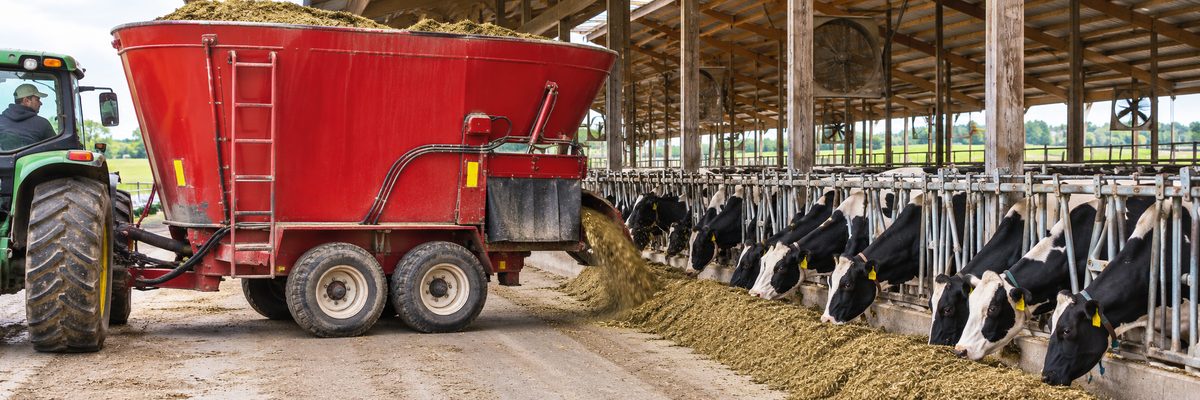
A ration report looks like a tax form that learned to talk about cows. Rows of abbreviations, columns that seem to repeat each other, and a bottom line that somebody expects you to remember. Most of it is useful, and most of it can be read in ten minutes once you know what each block is trying to tell you.
You do not need to be a nutritionist. You need to know what was fed, what the cows were supposed to get from it, and where the printout is likely to differ from what is happening at the bunk. That last part is where the money is.
Formats differ. Different nutritionists, feed companies, and software programs lay these out their own way, and the targets in one report may not match another's. Use this article as a map and ask your nutritionist to walk you through yours the first time.
Start at the top: the group, the cows, and the assumptions
The first block describes who the ration is for: the pen or group, how many cows, average body weight, milk production, days in milk, and sometimes milk components. It also gives an expected dry matter intake. These are the inputs, and everything else follows from them. If the pen is listed at one number of cows and milk but your actual pen is quite different, the whole ration is built for cows you do not have. Check the numbers against your own records first.
Look for the predicted DMI. Software is an optimist; cows are not. A ration balanced for cows eating more than they really eat will leave them short, which is why how much dry matter a dairy cow eats is the first thing to check against actual bunk records.
The ingredient list: as-fed versus dry matter
You will usually see each ingredient listed twice, or in two columns.
- As-fed pounds is what goes in the mixer, including water. This is what the loader operator needs.
- Dry matter pounds is what is left after the water is removed. This is what the cow's nutrition is built from.
The percent dry matter of each ingredient is also given. For forages, this number changes with weather and harvest, and a rainstorm can quietly turn your silage soupier than the report assumes. That is why sampling forage for lab analysis and checking dry matter regularly matter so much. If the report says 35 percent dry matter and the silage is actually running wetter, the cows get less feed than the sheet claims.
Also look for the batch amounts and shrink. Feed is lost between the pile and the bunk, and many reports include a shrink or loadout allowance. If the mixer records do not match, the discrepancy is worth a conversation.
The nutrient block: what the cows get
This is the part most people skip, and most people should not. You will see the ration's content for each nutrient, usually compared to a target or requirement. The key ones:
Energy
Usually shown as net energy for lactation, in Mcal per pound or per day. Energy drives milk, and an early-lactation cow is short on it. Starch and fat contribute here.
Protein
Crude protein is the familiar number, but good reports also show metabolizable protein, rumen degradable and undegradable protein, and sometimes amino acids like lysine and methionine. Milk urea nitrogen on your test is a cheap check on whether the protein balance is working.
Fiber and carbohydrates
Neutral detergent fiber (NDF), forage NDF, acid detergent fiber (ADF), starch, and sugar. Fiber keeps the rumen working. Starch feeds milk but pushes toward acidosis if it is too high or ferments too fast. The report shows the balance, but the particle size of the actual mixed feed matters as well. The Penn State shaker box is how you check it.
Fat
Total ether extract. High fat can depress milk fat and rumen function, so the report limits it.
Minerals and vitamins
Calcium, phosphorus, magnesium, potassium, sodium, chloride, sulfur, and trace minerals, plus vitamins A, D, and E. For dry cows you may also see DCAD, the dietary cation-anion difference. What DCAD is and why dry cows need it explains why that number gets special attention before calving. Mineral programs are covered in dairy mineral program basics.
The comparison columns: supplied versus required
Most reports show each nutrient as supplied, required, and a difference or percent. Positive and negative values are not automatically good or bad. A cow can be a little over on some nutrients without harm, and being a little over on a costly one is wasted money. What you are looking for are the red flags: a big shortage in energy or protein for high-producing cows, fiber that is too low, minerals out of range, or a nutrient that is wildly over.
Many reports also predict milk, either from energy or protein. Treat predicted milk as the nutritionist's best estimate under the assumptions, not a promise. If actual milk sits far below predicted, ask why before reaching for a bigger bag of feed.
The cost block
Fair warning: this is the line your banker will read first and the cows will never see.
Usually you will see ration cost per cow per day, and sometimes income over feed cost. This number is useful for trends. It becomes more useful when you set it next to your milk price, which is the heart of calculating feed cost per hundredweight of milk. A ration that costs more but returns more milk can be cheaper per hundredweight, and a cheap ration that drops components can cost you at the milk check.
Five questions to ask when the report arrives
- Do the cow numbers, milk, and days in milk match my pen today?
- Is the DMI assumption close to what the pen actually eats?
- Do the dry matter percents match what I measured on the farm?
- What changed from the last report, and why?
- What should I see in the bunk, the manure, and the milk test if this is working?
Those questions are most of the value of a nutritionist visit. If you are shopping for one, hiring a dairy nutritionist covers what to expect.
Common ways reports and reality drift apart
- Forage dry matter changed after rain or when you moved to a new face.
- The loader operator is heavy or light on an ingredient. Nobody is a perfect scoop.
- Cows sort, so what they eat is not what the mixer made.
- Pen counts changed and the ration was never updated.
- A new forage lot came in and nobody ran an analysis.
- The printout says one thing, and the mixer scale says another.
When something looks off, take it to your nutritionist before changing anything yourself. For further reading, Penn State Extension's dairy pages and UW-Madison dairy extension cover ration balancing and feed management in depth.
Quick answers
What is the most important number on a ration report?
There is no single one, but the predicted dry matter intake and the dry matter percent of your forages are two assumptions that quietly drive everything. If either is wrong, the rest of the page is off too.
How often should a ration be rebalanced?
Whenever forages change, milk or days in milk move noticeably, or feed prices shift. Many herds review rations monthly or at each nutritionist visit, though the schedule depends on the herd.
What is the difference between as-fed and dry matter?
As-fed includes the water in the feed, and dry matter does not. Nutrition is calculated on dry matter, while the mixer is loaded in as-fed pounds, so you need to know both.