Byproduct Feeds for Dairy Cows: What Works
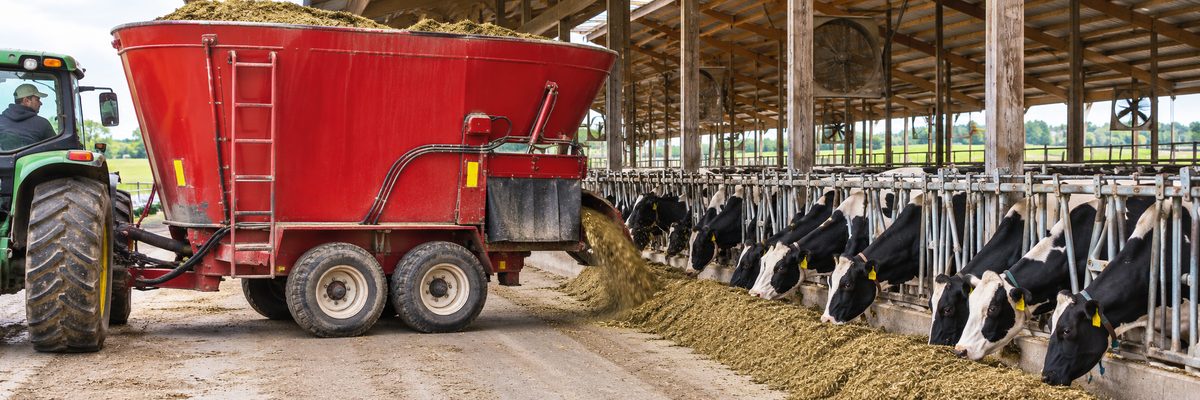
A byproduct feed is what's left after somebody else has made ethanol, beer, soybean oil, juice or cereal. Cows have been eating the leftovers of human industry for about as long as there have been dairies, and for good reason: the nutrients are often concentrated, and the price can beat what you'd pay for the same protein or energy from a bag of grain.
The catch is that cheap per ton is not the same as cheap per cow. Byproducts vary from load to load, some are mostly water, and a few bring along something the ration didn't ask for, like sulfur or fat. The ones that work are the ones bought on a nutrient basis, tested, stored properly and phased in slowly.
What byproducts bring to the ration
Rough categories help. Individual products vary by plant, process and season, so treat these as general descriptions and rely on a lab analysis of what actually arrives.
| Byproduct | Usually valued for | Watch for |
|---|---|---|
| Dried distillers grains | Protein and digestible fiber | Sulfur, fat, variability between plants |
| Wet distillers or brewers grains | Protein, palatability | High moisture, short shelf life, shrink, spoilage in warm weather |
| Soy hulls | Digestible fiber, energy without much starch | Low effective fiber, so it is not a full forage replacement |
| Corn gluten feed | Energy, moderate protein | Moisture in wet forms, sulfur, variability |
| Whole cottonseed | Fat, fiber, protein | Fat limits, gossypol on high intakes, handling and freight |
| Citrus pulp | Digestible fiber, energy | Regional availability, price swings |
| Almond hulls | Energy, sugars, fiber | Local supply, sticks and debris, price tied to the nut crop |
| Bakery and food-processing waste | Energy, sometimes cheap | Inconsistency, packaging contamination, fat, sugar |
West Coast dairies lean heavily on local crop byproducts; the details are in this look at almond hulls and other West Coast byproducts. Upper Midwest herds more often deal with ethanol coproducts and soy-processing leftovers, while Southeast and Southwest herds work with cottonseed, citrus, and whatever the nearest processor wants to move.
Price it on nutrients, not tons
A ton of wet distillers grains is mostly water, so a ton of it carries a lot less feed than a ton of dry product. Compare on a dry matter basis, then on the nutrient you're actually buying: protein, digestible fiber, energy. Then add freight, storage losses and handling. Your nutritionist can run this in a few minutes using the ration software, and the answer is sometimes embarrassing for the cheapest option.
It also pays to compare against what the product replaces. A byproduct that substitutes for part of the corn and part of the protein supplement may look cheaper than either alone. One that only adds cost on top of a ration already meeting requirements is a hobby. What a dairy nutritionist costs and what the farm gets back is worth a read if you're buying without one.
The risk side
Variability
Two loads from the same plant can differ in moisture, protein and fat. Test regularly, and ask the supplier for analyses, but trust your own samples more. The nutrient numbers on a spec sheet describe an average load that may not be the one on your truck.
Fat and sulfur
Some products carry a lot of fat or sulfur. Too much fat can depress fiber digestion and milk fat. Too much sulfur, from feed and water together, can cause trouble in the rumen and with minerals. This is one reason to look at the water too, covered in testing dairy water for nitrates and sulfur. If milk fat falls after a change, milk fat and protein depression is a good checklist before you blame the cows.
Moisture and spoilage
Wet byproducts spoil. In a cold January a pile may sit fine for weeks. In a Texas August it can heat, mold and smell by the end of the week. Buy only what you can use in the time you can store it, pack it, cover it, and keep the face tidy. Moldy feed carries risks beyond lost nutrients, as covered in mycotoxins in dairy feed.
Contaminants and rules
Not everything a processor wants to dump is legal or safe for cattle. Feed ingredients are regulated, and some materials, including certain animal-derived proteins, are restricted in ruminant feed. Bakery waste with packaging mixed in is a real hazard, because a cow will eat a bread wrapper with the same enthusiasm she brings to everything else. Buy from reputable suppliers who know the rules, ask for ingredient information, and when you have a doubt, ask your nutritionist, state feed control official or veterinarian before it goes in the mixer. Organic herds face additional restrictions; check with your certifier.
How to bring a new byproduct in
- Get a lab analysis of a representative sample before you buy a truckload.
- Have the nutritionist rebalance the ration around it, not just add it.
- Start small and step up over a week or two. Cows are creatures of habit, and a sudden change in the bunk gets a vote in the form of reduced intake.
- Check storage. A concrete pad, a bunker, a bag, a tarp, a tight bin. Decide before the truck arrives.
- Watch cows and numbers. Intake, milk, components, manure, rumen fill, and any change in sorting.
- Have an exit plan. If the supply dries up or the price climbs, what replaces it?
When byproducts don't pay
They don't pay when freight eats the savings, when the farm can't store them without losing a quarter of the load, or when they push the ration out of balance. They also don't pay when the supply is unreliable and you end up reformulating three times in a season. A load that shows up at a different moisture every Tuesday is a surprise party nobody asked for. And if the price per unit of nutrient is only a little under the dry commodity, the convenience and consistency of the dry ingredient might be worth the difference.
The honest summary: byproducts are a tool, not a strategy. If you're looking at the whole feed bill, cutting dairy feed costs without losing milk puts them alongside shrink, purchasing and ration tuning. For deeper ingredient information, university programs like University of Minnesota Extension dairy and Penn State Extension dairy publish regularly on byproduct feeding.
Quick answers
Are distillers grains good for dairy cows?
They can be a useful source of protein and digestible fiber, and many herds feed them. The limits depend on fat, sulfur and the rest of the ration, so have your nutritionist set the amount from a test of the actual load.
Can byproducts replace forage?
Not fully. Fibrous byproducts like soy hulls supply digestible fiber but not the effective fiber that keeps the rumen working. Your nutritionist can tell you how much forage replacement is reasonable.
How do I know if a byproduct is worth buying?
Compare cost per unit of nutrient on a dry matter basis, including freight, storage loss and handling. If the savings survive that math and the cows eat it well, it's worth a trial.