Barns, Cow Comfort & Equipment
Recycling Manure Solids as Freestall Bedding
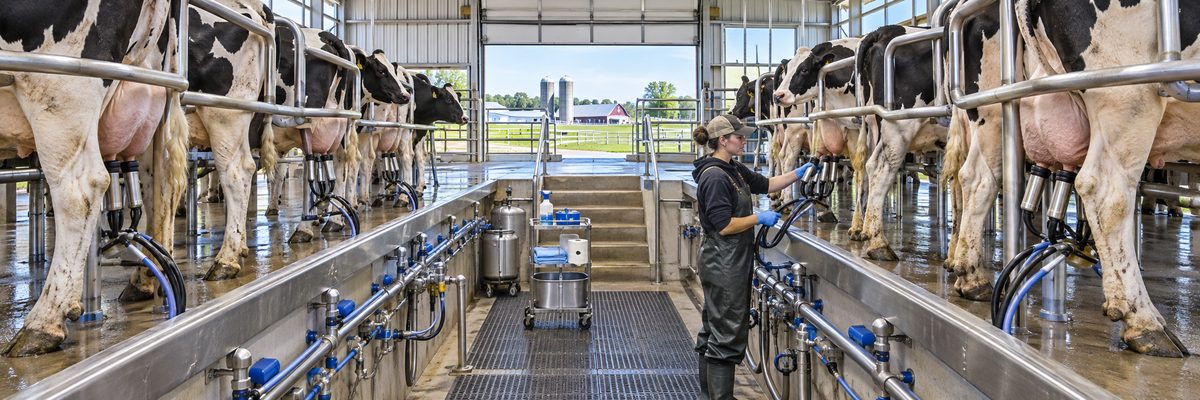
Using cow manure to bed cows sounds like something you'd tell a new hired hand as a prank, right up until you've watched a well-run barn do it. Recycled manure solids, often called RMS, are separated from the liquid stream, processed, and spread in the stalls as a bedding material. Done carefully, they're soft, cheap, and plentiful. Done carelessly, they're a bacteria buffet.
The deciding factors are how dry the material is, how clean and consistent the stalls are, and how tight your mastitis program already runs. If bulk tank somatic cell count is already a fight, or environmental mastitis is a constant, fix those before adding a bedding that raises the stakes. If your udder health is solid and your management is consistent, RMS may be worth a hard look, and your milk quality advisor should be in on the decision.
How it's done
Most RMS systems follow the same general path:
- Separation. A separator removes solids from the manure stream. A press or screen leaves a damp, fibrous material.
- Drying or composting. Many farms add a step to dry it further, using a rotating drum dryer, a composting process, or heat from fermentation. Others use the solids with little or no added drying, which raises the risk.
- Storage. Material is held under cover or in a way that keeps rain from rewetting it.
- Delivery to the stalls. Solids are spread by a bedding cart, a mixer wagon, or a conveyor, usually at set intervals.
The economics start with the separator, so it helps to understand whether a manure solids separator is worth the cost before you chase the bedding savings.
Dryness is the first number to watch
Moisture feeds bacteria. A bedding material that stays damp in the stall lets environmental pathogens multiply close to the teat ends. That's the reason dryness is the first target any extension specialist will ask about. Many systems produce solids that start around a third dry matter or somewhat higher right out of the press, and farms often take them drier with a drying or composting step. The right target and test method for your operation come from your extension specialist, your milk quality advisor, and your equipment supplier, not from a rule of thumb in an article.
Check dryness in practice, not just on paper. Squeeze a handful. If it drips or packs like wet clay, it's too wet. Material that crumbles and feels slightly warm and dry is closer to what you're after. Better yet, send samples for testing on a schedule and track results over time, along with bacteria counts if your advisor recommends them. Weather, feed changes, and equipment performance all change what the separator puts out, so a good result on Monday doesn't guarantee Friday.
Managing mastitis risk
RMS isn't automatically a mastitis problem, and it isn't automatically safe. Any organic bedding can support bacterial growth, and the question is whether your system keeps the numbers low enough and the cows clean enough. Environmental organisms are the main concern, and the article on environmental versus contagious mastitis explains why bedding choices drive the first kind.
Practices that help
- Keep stalls clean and dry. Remove wet and soiled material every day, and rake or groom stalls on a regular schedule. The same discipline in keeping freestall bedding dry and clean applies, and then some.
- Add fresh material often. Small, frequent additions usually beat big, occasional ones. Your advisor can recommend a frequency based on your system.
- Keep the stall design right. Good brisket locators, proper stall length, and a well-sloped stall bed keep manure and urine out of the bed.
- Prep teats carefully. A consistent routine is your last defense. Review the steps in pre-milking teat prep and make sure everyone does them the same way every time.
- Monitor udder health closely. Track clinical cases, somatic cell count, and culture results. If you see a rise after a bedding change, take it seriously. On-farm milk culturing can help show which organisms are involved.
- Keep ventilation working. A barn that holds moisture works against any bedding.
For somatic cell count work in general, lowering bulk tank SCC is a good companion read. And for mastitis control principles and research, the National Mastitis Council is the best-known resource in the industry.
Other issues to talk through with the herd vet
Because the bedding comes from the herd's own manure, disease questions deserve a conversation. Some pathogens are shed in manure, and the herd's health status affects how comfortable you should be with the practice. Ask your veterinarian about your herd's situation, including any diseases you're monitoring, and about whether certain groups, such as fresh cows or calves, should be handled differently. Calves and heifers have their own bedding considerations, covered in separate articles like nesting score for calf bedding, and recycled solids are not automatically appropriate for young stock.
Handling, storage and logistics
- Cover and drain. Stored RMS needs a pad with drainage and some form of cover or roof. Rewetting by rain undoes the drying effort.
- Space and equipment. You need room to store, move, and spread it, plus equipment that can handle it every day. Bedding spreaders don't last forever, and a wet load will find the weakest chain on the machine every time.
- Consistency. Production should match use. A separator that stops for a week leaves you with a bedding gap and a problem.
- Contingency. Keep a plan, and a supplier, for purchased bedding when the system goes down or the weather gets in the way.
Regional notes
| Region | What tends to matter |
|---|---|
| Upper Midwest and Northeast | Cold and wet conditions complicate drying and storage; many farms already use organic bedding and have extension support nearby |
| Southeast | Heat and humidity favor bacterial growth, and drying outside is harder |
| Southwest and Mountain West | Dry air helps drying, but very large herds make logistics the main challenge |
| West Coast | Regulatory and water issues influence manure systems; sand is also common |
Is it right for you?
RMS tends to fit herds that already have solid milk quality, good stall maintenance, a separator in place or planned, and an advisor who will help monitor results. It tends not to fit farms that are fighting environmental mastitis, struggling with stall cleaning labor, or buying equipment as a rescue plan. Start with a trial in one pen if you can, track the numbers, and have a clear threshold at which you go back to a different bedding.
Manure is the one crop on a dairy that never fails to show up, and recycling it is a smart idea when handled right. Don't let the thrifty part of your brain outvote the part that watches the bulk tank.
Quick answers
Is recycled manure solids bedding good for dairy cows?
It can be comfortable and economical on well-managed farms, but it requires strict attention to dryness, stall maintenance, and mastitis control. It's not automatically good or bad. Involve your vet and milk quality advisor before you switch.
How dry does recycled manure solids bedding need to be?
Drier is generally better, and many systems add a drying or composting step after separation. Ask your extension specialist and equipment supplier for the target and testing method that fits your setup.
Can I use recycled manure solids for calves or heifers?
Be careful, because young animals have different risks and needs. Talk with your vet before using it for calves, and consider using a different bedding for them, such as straw or shavings, with its own management plan.