Barns, Cow Comfort & Equipment
Rodents, Birds and Barn Cats: Pest Control in Dairy Barns
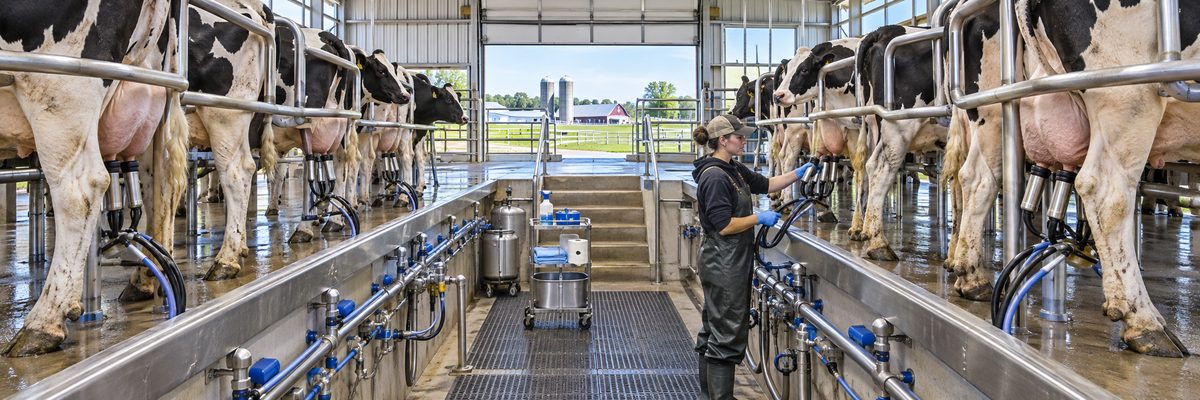
Rodents and birds do not just eat your feed. They foul it, chew your wiring, spread manure around where it does not belong and, in the worst case, contaminate milk-contact areas. The good news is that the best control is boring: deny them food, water and shelter, close the gaps, and then use traps or bait where it is safe. Cats help, but a cat is a hobby, not a program.
Every dairy barn is a buffet. Feed alley, calf feed, grain bins, bedding and warm walls with a roof on top make a rodent condo with room service. If you only react when you see a rat in the daylight, you are already behind, because by then there are usually a lot more you have not met.
Why it matters on a dairy
- Feed loss and contamination. Rodent droppings and bird manure in feed are a health concern for cattle and can ruin stored feed.
- Milk quality and inspections. Milkhouse and parlor areas are held to strict sanitation standards, and pests are a quick way to a bad inspection. Your milk buyer's field rep and the state dairy inspector can tell you their requirements.
- Fire risk. Rodents chew wiring. Gnawed insulation is a real source of barn electrical problems, which is one more reason to read barn fire prevention for dairy farms.
- Disease and biosecurity. Birds and rodents can move pathogens around the farm. Talk to your herd vet about biosecurity.
- Damage. They chew insulation, curtains, feed bags and calf-hutch bedding, and pigeons ruin equipment and roofing with droppings.
Step one: take away the food and shelter
Control starts with sanitation. If you do nothing else, do this.
- Store feed in rodent-proof containers. Bins with tight lids, metal or heavy plastic, and no spilled grain under them. Bagged feed belongs on pallets, off walls, so you can see underneath it.
- Clean up spills right away. Calf feed, grain, mineral and starter all attract rodents. A feed room that is swept daily is a different place from one that has not seen a broom since the last auction.
- Manage refusals. Old feed in the bunk and piles of leftovers feed pests and cows alike. What to do with refusals and feed leftovers helps you decide how to handle them.
- Control water. Fix leaky troughs, drips and standing water, which draw rodents and flies. Check fly control for dairy barns for the overlap.
- Cut vegetation and clutter. Keep weeds, brush, junk piles and stacked pallets away from building walls. Rodents love cover.
- Keep the milkhouse tight. Doors close, screens intact, floors sealed, no food or stored feed inside.
Step two: close the gaps
Exclusion works better than chasing. Walk the buildings with a flashlight and look for openings around doors, pipes, wires, curtains, vents and foundation. Mice squeeze through surprisingly small gaps, so seal holes with metal flashing, hardware cloth, concrete or other materials they cannot chew through. Foam alone is a snack. Fix door sweeps and gaps under overhead doors, and keep doors closed when you are not moving through.
For birds, check for gaps in roofing and trusses, and use netting, screening or physical barriers where possible, particularly over feed alleys and calf areas. Cleaning up nesting material and droppings in the off season keeps populations from settling in.
Step three: monitor and trap
Look for the signs: droppings, gnaw marks, grease rubs along walls, nests of shredded bedding, runways, and damaged feed bags. Set snap traps along walls where rodents travel, and check them often. For mice, small traps in many places do more than a few traps in a few places. Wear gloves when handling dead rodents and traps, wash your hands, and dispose of carcasses properly. If you see a lot of activity, investigate where they are coming from instead of just multiplying traps.
Baiting: handle with care
Rodenticides are a legitimate tool, but they are risky around feed, milk, cats, dogs and wildlife. If you use bait, use it in tamper-resistant stations, place them where livestock and non-target animals cannot reach, follow the product label to the letter, and keep bait away from feed, water and the milkhouse. The EPA has information on rodenticides and safe use, and your state may have additional rules. Ask your milk buyer and your state dairy agency what is allowed in and around milk handling areas. A licensed pest control operator who works with dairies can set up a program and keep records for your inspector.
Poisoned rodents can also poison whatever eats them, including the barn cat. That is one reason to use traps and exclusion first.
Birds: starlings, pigeons and sparrows
European starlings, house sparrows and feral pigeons are the usual troublemakers around feed. They feed in the bunk, roost in the rafters and leave droppings on everything below. Many other wild birds are protected under federal law, so do not assume every bird in the barn can be removed. Before you try lethal control, call USDA APHIS Wildlife Services through its wildlife damage program or your state wildlife agency to find out what is allowed and what works.
- Cover or screen openings that birds use to get into feed alleys.
- Feed on a schedule so there is less food sitting out.
- Clean up spilled feed under bunks and around bins.
- Use bird netting, wire or spikes on beams and ledges where they roost.
- Remove nests from equipment and wiring when it is legal to do so.
What barn cats can and cannot do
A good barn cat is worth its weight in kibble, but cats are not a control program. They catch some mice and discourage others, and they will not clear out a well-established rat population. If cats are part of your plan, a few things help.
- Feed them. A fed cat still hunts, and a starving cat wanders off.
- Have them spayed or neutered and vaccinated, and keep a vet in the loop.
- Keep cats out of the milkhouse, parlor and feed storage where regulations and common sense say so.
- Provide shelter and fresh water in a spot away from the milking area and the calf pens.
- Keep an eye on them if you use rodent bait.
Cats do develop personalities. If yours has started staring into the rafters like it sees something you do not, you are not the first, and this farm.FM poem about a barn cat who starts a paranormal vlog is about as close as anyone will get to explaining it. In real life the "ghosts" are usually mice, and the cat is only partly doing its job.
Keep a simple pest log
| Date | Location | Signs seen | Action taken | Result |
|---|---|---|---|---|
| Walk-through | Feed room | Droppings by bags | Moved bags, sealed gap | Check again in a week |
Records show whether the program is working and help satisfy an inspector. Add pest checks to your regular barn maintenance checklist so nobody has to remember on their own.
Quick answers
What is the best way to control mice in a dairy barn?
Combine sanitation, sealed gaps and traps. Feed storage and spilled grain are the main attractions, so fix those first. Bait is a last resort and must be used carefully.
Can I use rat poison around cows and milk?
Only with great care, in tamper-resistant stations away from feed, water, livestock and milk areas, following the label and any state or milk buyer rules. A licensed pest control operator can help.
Do barn cats keep mice out of the feed room?
They help a bit, but not enough alone. Tight feed storage, clean floors and sealed gaps do the heavy lifting, and cats should stay out of the milkhouse.