Grazing, Organic & Small Dairies
Organic vs Conventional Dairy: Which Pays Better?
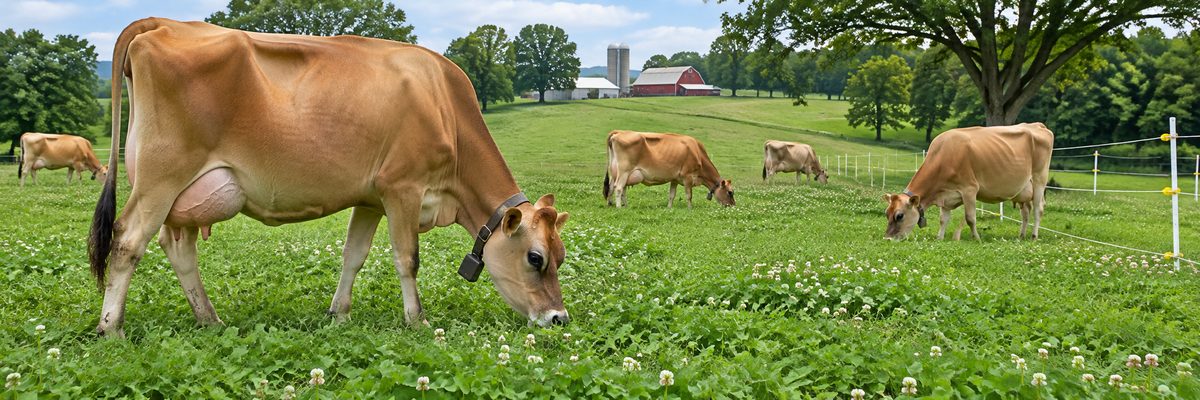
Sometimes organic pays better, sometimes it doesn't, and the milk price per hundredweight is only half the story. Organic milk earns a premium, but it also comes with higher feed costs, lower production per cow, a three-year land transition, annual paperwork and a buyer who may or may not be taking new farms. What matters is margin per cow and per acre, after all of that.
For a small herd, the honest answer is that the farms that do well with organic tend to be grass-based, already low on purchased inputs, and close to a handler that wants their milk. The farms that struggle are usually conventional-style herds trying to keep the same ration and the same yields while paying organic prices for everything. That's a lot like buying a better tractor and keeping the same bad hay.
What organic changes
| Item | Conventional | Organic |
|---|---|---|
| Milk price | Set by your buyer and federal order or contract pricing | Usually a premium over conventional, set by your handler or contract |
| Feed | Widest range of purchased options | Certified organic only, normally priced well above conventional |
| Milk per cow | Typically higher, with total mixed rations | Often lower, especially on pasture-heavy systems |
| Animal health | Full range of approved treatments | Restricted materials; treated animals may lose organic status |
| Land | No special history required | Land must be free of prohibited substances for three years |
| Paperwork | Regular milk-quality and permit records | Organic system plan, audit trail, annual inspection and fees |
| Market access | Almost any buyer in the region | Limited by who is picking up organic milk in your area |
The premium is only the top line
Premiums are a handler-by-handler matter and they change. Ask your prospective buyer for the current price sheet, the contract terms, and whether they're taking on new producers at all. In some regions, handlers have limited new organic farms when supply ran ahead of demand, and they may add waitlists. Organic milk markets, premiums and waitlists goes into how that plays out.
Then subtract the costs the premium has to carry:
- Higher feed prices, covered in sourcing organic feed.
- Certification fees and the time to keep the records straight. Some farms can recover part of the certification cost through a federal cost share program run by USDA's Farm Service Agency, so check the cost share program page for current terms.
- Lower output per cow, usually partly offset by lower feed and vet spending per cow.
- The transition itself, which is the part nobody budgets properly.
The transition years
Organic dairy animals go through a one-time transition of at least twelve months under organic management before their milk can be sold as organic, and the land has to meet its own history requirement. During that stretch you're feeding organic or transitional feed and being paid a conventional price. It's the stretch where farms run out of money, and it's why the transition period deserves its own cash-flow plan, not a hopeful sentence in the business plan.
If the numbers only work after the transition and don't survive it, you have a plan that works in a sequel nobody funds.
Risk on both sides
Conventional risk
Low milk prices, high input costs and a market that rewards scale. A small conventional herd competes with much larger herds on volume, and that's tough to win. Some small dairies get ahead by lowering costs, adding value (bottling, cheese) or selling into a premium local market. See surviving low milk prices if you're staring at a tight margin right now.
Organic risk
The premium depends on a handful of buyers. A buyer can change terms, stop picking up in your area, or adjust the premium. Feed costs can spike in a short crop year. And a single mistake, such as using a prohibited material or treating a cow outside the rules, can cost you organic status for that animal. Organic isn't riskier by nature, but it has fewer exits.
A quick test for your own herd
Do this on paper, with your numbers, before you decide:
- Work out your current margin per cow per year as a conventional operation. The cost of production per hundredweight method gives you the baseline.
- Get a written price sheet from an organic buyer and ask about volume limits and contract length.
- Estimate organic yield per cow honestly. If you're not already grazing, assume it drops, not holds.
- Rebuild the feed bill with organic prices and your own forage.
- Add certification, extra labor for records and the transition-year cash gap.
- Compare margin per cow and total farm margin, not just the milk price.
If organic only wins in the optimistic version, that's a no, or a "not yet." If it wins even with conservative yields and a premium cut, you've got something worth pursuing.
Where small herds tend to do well
Organic suits farms that already have lots of pasture, a good grazing system and low purchased feed use. It also fits herds in regions where handlers are looking for milk, which varies by year and by area, so check locally. Northeast and Upper Midwest grass-based herds have had more organic outlets than parts of the Southwest or Southeast, where hot summers and thin pasture make it harder. In dry-lot, high-production systems, the economics generally work against organic.
Whatever you choose, know your break-even milk price first. A USDA overview of the organic sector is available from USDA's Economic Research Service, which is a decent place to see how the broader market has moved. Your extension dairy specialist and lender can sanity-check the budget; the lender will care about it more than you'd like.
Quick answers
Is organic dairy more profitable than conventional?
It can be, especially for grazing herds with low purchased feed and a reliable buyer. For herds that depend on high grain feeding and high yield per cow, the higher costs often eat the premium.
How long before an organic dairy makes money?
You'll be paid conventional prices through the transition while meeting organic rules, so most farms see the benefit only afterward. Plan cash flow to cover that stretch without wishful thinking.
Can a small herd get an organic buyer?
Often yes, but it depends on your region and the handlers who are taking on new farms. Call buyers early, ask about route density and contract terms, and get any commitment in writing before you start the transition.