Mud Season Calf Pen Fixes for Northeast Farms
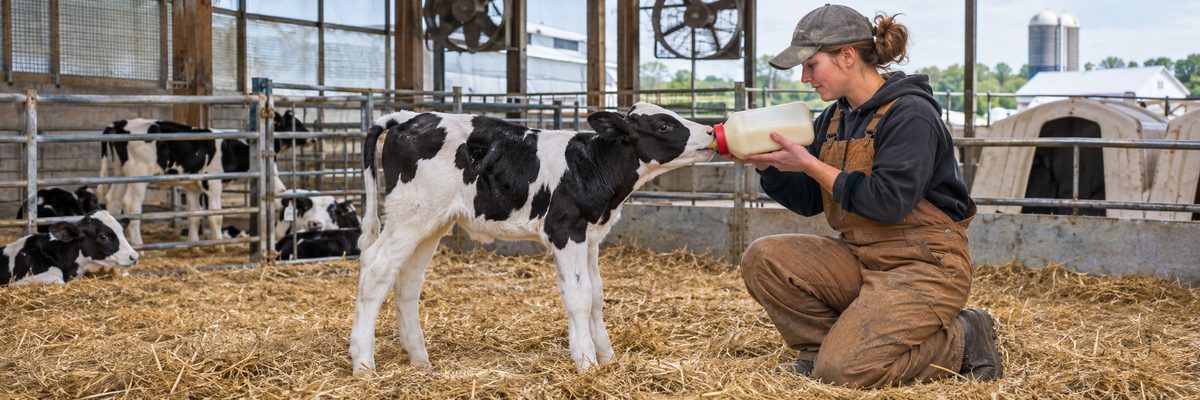
Northeast mud season has its own smell. It's the smell of wet clay, thawing manure and boots that weigh twice what they did in February. By the third week of April, the calf row has gone from frozen ruts to something a skid steer would think twice about, and the calves are standing in it up to the hocks.
Mud is more than an annoyance. Calves lying in wet, dirty bedding lose body heat, pick up manure on their coats and bedding and swallow more germs from the ground and from each other. Hutches that sat on firm ground all winter start to sink and tilt as the frost goes out.
The cure for mud is drainage, and most of it has to be done before the thaw starts. The rest is knowing which fixes work at the last minute when it's already a swamp, because there's one every year.
Why spring is worst
Frozen ground doesn't drain. When snow melts and the surface thaws but the ground underneath stays frozen, water has nowhere to go and sits on top. Add spring rain, runoff from barn roofs and the clay soils common in much of the Northeast, and a flat calf yard becomes a pond with hutches in it.
The freeze-thaw cycle also churns the surface. Ground that was packed in winter turns soft, the gravel disappears and every trip with a bucket leaves another rut.
Fix the water first
Soil can't dry if more water keeps arriving. The first job is to stop the extra water before it reaches the calves.
- Gutters and downspouts. A roof sheds a lot of water in a short time. If the downspout dumps at the calf row, move it. Pipe it away to a stable outlet.
- Diversion ditches or swales. A shallow, grassed channel uphill of the calf area can carry runoff around it. Even a shovel-width trench, kept open, helps in a pinch.
- Grade. The area should slope gently away from the hutches so water moves off rather than pooling. A small slope goes a long way.
- Keep clean water and dirty water apart. Don't let barn-yard runoff and manure leachate drain through the calf row, or off the farm. Local rules on runoff and nutrient management vary by state, so your conservation district, NRCS office or extension agent can tell you what applies.
Build a base the calves can stand on
A pad under the hutches is the most reliable long-term fix. A common approach is a layer of geotextile fabric topped with compacted crushed stone, sloped slightly so water drains away from the hutch. Your local contractor, extension agent or conservation district can help size it for your soil and rainfall.
- A hutch pad should extend past the front door, since that's where calves and people tread the most.
- Stone should be angular and compacted, not rounded pea gravel that moves underfoot.
- Scrape and top off annually. Manure and bedding work into the stone and plug it up over time.
- Use a firm walkway between rows so you aren't pushing feed carts through muck.
Pads are also easier to clean between calves. The Dairyland Initiative at UW-Madison recommends that the plot where a hutch sat be cleaned and dried during a one- to two-week rest, and a hard surface makes that much simpler than bare mud. The routine is covered in cleaning and resting calf hutches between calves.
Where the hutches go matters
Hutches at the bottom of a slope or against a hill that sheds water are going to be wet no matter what you do. Put them on a high, well-drained piece of ground, spaced so air can move through. The Dairyland Initiative also advises facing them away from the prevailing wind. Where to put calf hutches for airflow and drainage covers the layout in more detail.
If a few hutches flood every spring, mark them and move them to higher ground when the ground is firm enough to drag them. Do it well before calving starts, because nobody drags a hutch in the middle of the night with a cow bawling in the maternity pen.
Bedding when it's wet
The mud itself won't hurt a calf as long as she's lying in a dry bed. Keep the straw bedding deep enough to nest in and replace it before it's soaked. The bedding is where calves spend most of their time, so keeping it dry matters more than anything you do on the yard. Straw, shavings and sand behave differently when wet, as described in straw, sand or shavings for hutches. In early spring, when it's still cold, checking nesting scores tells you whether the bed is deep enough to keep the calf off the cold ground.
- Build a dam of straw at the hutch door to keep mud from being tracked in.
- Remove wet bedding promptly. Don't stack it against the hutch.
- Check hocks, knees and coats for caked manure. A calf that's dirty is a calf that's been lying in muck.
Emergency fixes when the thaw has already come
- Move hutches onto firmer ground if any is available, even temporarily.
- Lay down pallets, rubber mats or a layer of stone or gravel at the entrance and in the walkways.
- Dig a shallow ditch to drain the worst pool and send the water downhill, away from the calves and away from streams.
- Add extra straw at the hutch door and in the bed.
- Keep feed and water buckets on a firm surface so calves aren't wading in to eat.
- Watch for scours and pneumonia, since stress and dirty conditions raise the risk. What to do in the first hours of calf scours is worth knowing before you need it.
The mud gets onto the cows too
A muddy calf yard is a clue that the rest of the farm is muddy too. Mud on the cows means dirty udders and extra work in the parlor, which is covered in spring mud and clean teats on Northeast dairies. Fix the calf area and then look at the cow lanes and lots, because the problems share the same causes.
Where to read more
Cornell's PRO-DAIRY program and the University of Vermont Extension both serve Northeast dairies with facilities and water-management help. The Dairyland Initiative's nursing calf housing page covers hutch setup.
Quick answers
What is the best base for calf hutches in mud?
A compacted crushed stone pad over geotextile fabric, sloped slightly so water runs away from the hutch, is a common and reliable choice. Size and depth depend on your soil, so ask your extension agent or contractor.
Can calves stay in muddy pens?
They can, if the bedding stays dry, the hutch is solid and the calf isn't standing in deep muck to eat and drink. If conditions are that bad, move the calves or fix the footing first.
How do I stop runoff from reaching my calf area?
Gutter the roofs, divert uphill water with a ditch or swale and grade the area so water moves away. Check local runoff and nutrient rules with your conservation district.