Spring Mud and Clean Teats on Northeast Dairies
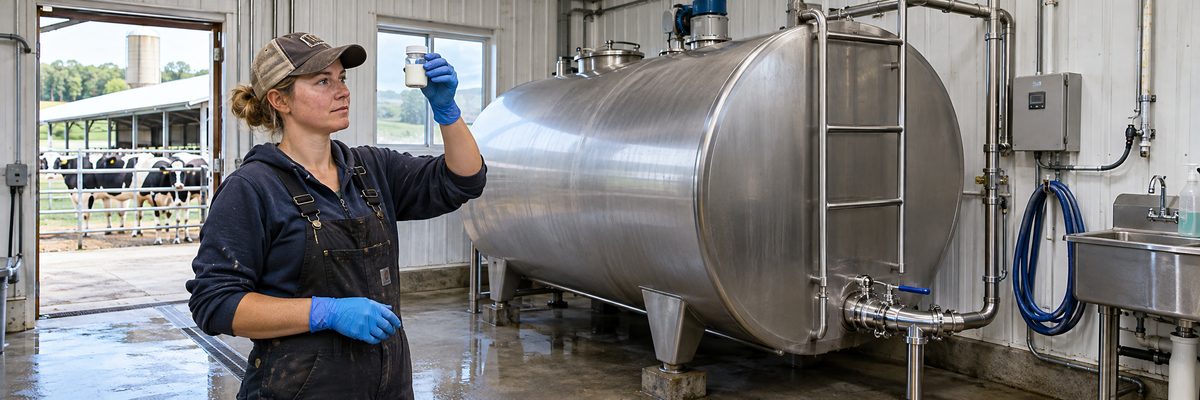
Every March the ground in the Northeast thaws on top and stays frozen underneath, which turns every lane, gateway and lot into soup. Boots disappear. Cows come in wearing half the barnyard. And somewhere in the middle of it, a milker is trying to get a clean, dry teat out of an udder that's been dragged through a lagoon.
Mud season is a mastitis season. The bacteria that cause environmental mastitis live in wet manure and mud, and a muddy teat end is a direct delivery route. You won't fix that with a faster wipe alone. The real answer is a mix of cleaner lanes and lots, better stall and bedding management, and a teat prep routine that doesn't get shortened when the line of cows gets long.
Why mud and mastitis go together
Environmental mastitis bacteria, such as certain strep species and coliforms, live in manure, soil and wet bedding. They multiply in warm, wet conditions, and cows pick them up when they stand or lie in dirty spots. A cow with mud caked on her legs and udder walks into the parlor carrying those bacteria on teat skin. If they're not removed, they can be pulled up near the teat end during milking.
The difference between environmental and contagious mastitis matters here. Contagious bacteria spread from cow to cow at milking, while environmental ones come from the cow's surroundings, which is exactly what the mud season changes.
Fix the ground first
You can't wipe your way out of a hundred cows standing in a swamp. Work on the places cows walk, stand and lie.
- High-traffic lanes. Stone, gravel or concrete on the main lanes keeps cows out of the worst mud. Geotextile fabric under stone helps it last. Crown the lane so water runs off instead of pooling.
- Gateways and feeding areas. The spots where cows crowd, such as around waterers, gates and bunks, become the worst mud first. Reinforce them with a hard surface and move waterers if you can.
- Roof runoff. Gutters and downspouts that dump onto a lane or lot feed the mud. Direct that water away from where cows walk.
- Scraping. Scrape manure from alleys and holding areas more often in thaw weather. A thin slurry on concrete is slippery and ends up on udders.
- Dry areas to rest. Cows that have a dry, clean place to stand and lie stay cleaner. A fenced-off section of lot, an extra bedded pack area or a rotated pen can help.
On grazing farms, mud shows up in paddocks and lanes, and mud, wet paddocks and lameness in grazing herds covers the pasture side, including moving cows to drier ground. The same principle applies to calves; mud season calf pen fixes for Northeast farms covers young stock.
Bedding and stalls
Cows that come in dirty often get dirtier in the stall. Keep bedding dry and fresh, and give cows a clean place to rest so the mud doesn't ride along. Stall surfaces that stay wet, especially in tiestalls and bedded packs, will raise the bacterial count on teat skin no matter what else you do. Adding bedding more often through the worst weeks is cheaper than a clinical case.
Teat prep when cows are filthy
This is the moment to stick to the routine, not cut it. Start by clipping or flaming long udder hair before mud season, since hair holds mud and manure. Then work through pre-milking teat prep, step by step:
- Forestrip and look at the milk.
- Remove gross dirt first. If teats have caked mud, remove it before you dip. Some herds use a separate damp towel or pre-wash for heavy dirt, then follow with the normal prep. Avoid soaking the whole udder, because dirty water running down toward the teat end carries bacteria with it.
- Pre-dip and let it sit for the contact time on the label. Pre-dip vs post-dip explains what each step does and why contact time matters.
- Wipe and dry each teat with a clean single-use towel, paying attention to the end of the teat. A teat that's wet at attachment is a bigger problem than one that's a little off-white.
- Attach and dip after milking as usual. Choosing a teat dip is worth a look if your current product isn't holding up in wet weather.
Towels matter. Using the same cloth on several cows at a time is a way to spread mud and bacteria around, and a towel that gets dirty halfway through a cow isn't going to clean the next one. Keep extra clean towels on hand during mud season and wash them hot, following your chemical supplier's directions.
What to watch
- Cow cleanliness. Many dairies use a hygiene score of udders and legs. If the score is creeping up, your mud problem is getting into the parlor.
- Clinical mastitis cases. Spring spikes, especially from environmental bacteria, are a signal to examine stalls, lanes and teat prep. Your veterinarian can help identify the bacteria and suggest options.
- Somatic cell count and bacteria counts. A jump that starts when the thaw does has an obvious suspect.
- Time in the parlor. If cleaning takes longer, that's information. Rushing is how cows go through unprepped.
The mud isn't going anywhere until the frost is gone, and the cows don't care about your schedule. If the lane looks bad to you, picture it from the cow's side. She has to wear it.
A mud season plan for the Northeast
| Timing | Action |
|---|---|
| Late winter | Clip udders, repair gutters and downspouts, stockpile stone and bedding, plan which lots will be rested |
| Thaw | Scrape more often, spread bedding, limit cow traffic on soft lanes, stock extra towels |
| Mud peak | Hold the full prep routine, watch hygiene scores and mastitis cases closely, keep culture results on hand |
| Drying out | Repair damaged lanes and gateways, review what worked and what didn't, update the plan for next year |
Dairy extension programs in the region, including Cornell PRO-DAIRY's milk quality resources and Penn State Extension's dairy pages, offer guidance on udder health, housing and lane design for wet seasons.
Quick answers
Why do mastitis cases go up in spring?
Wet, muddy conditions let environmental bacteria multiply and put them in direct contact with teat ends. Cows spend more time in dirty areas, and prep routines get strained when cows are filthy.
Is washing udders with water okay?
Heavy mud may need to be removed, but soaking the whole udder can carry dirty water to the teat ends. If you wash, wash only what is dirty, dry thoroughly, and follow with the usual pre-dip and drying steps.
What's the cheapest way to cut mud around the barn?
Fix roof runoff, scrape more often and put stone on the busiest spots. Those changes often cost less than a round of clinical mastitis, and they help cow comfort and feet too.