Breeding, Genetics & Reproduction
How to Reduce Early Embryonic Loss in Dairy Cows
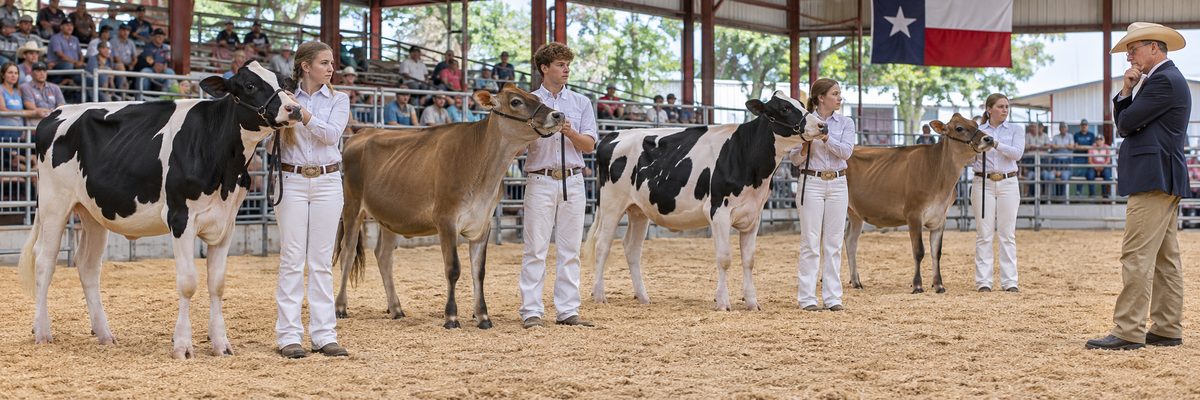
Plenty of cows that never got a positive pregnancy check were pregnant for a little while. The egg was fertilized, the embryo started to grow, and then it stopped. Nobody saw a thing. The cow just came back into heat on a slightly odd schedule and the breeding sheet got another line.
That is early embryonic loss, and it is one of the quiet drains on dairy fertility. Some of it is simply biology, and no herd gets it to zero. But a good share of it responds to management, especially heat stress, transition cow health, nutrition, and how carefully you time and handle the breeding itself. The point of this article is to separate what you can change from what you cannot.
Specific numbers on how much loss happens vary from herd to herd and from study to study, so treat any figure you hear as a rough guide. What matters more is whether your own herd is losing pregnancies between the first check and the recheck.
When pregnancies are lost
Researchers and vets usually talk about loss in stages, because the causes differ.
- Failed fertilization or very early embryo death. In the first week or so after breeding, a lot of the loss is invisible. The cow returns to heat at a normal interval, and it looks like a missed conception.
- Early embryonic loss. In the first few weeks, a cow may fail to maintain pregnancy. She may return to heat a bit later than normal, which is a clue.
- Late embryonic and early fetal loss. Between the first positive pregnancy check and a few weeks afterward, some cows lose the pregnancy. This is the loss that rechecks are designed to catch.
Pregnancy loss later in gestation is a different problem, usually called abortion, and it deserves a vet investigation of its own. This article stays with the early stage.
What raises the risk
Heat stress
Hot weather affects egg quality, the uterine environment, and the early embryo. Herds in the South and Southwest see it every summer, but a hot spell in the Upper Midwest or Northeast does the same thing. For the background, see heat stress and fertility. Shade, fans, soakers, and cooling the holding pen all help, and the work you do to keep cows comfortable pays back in breeding too.
Transition problems and uterine health
Cows that had retained placenta, metritis, ketosis, milk fever, or other trouble around calving are more likely to have a hard time maintaining pregnancy. Good dry cow and close-up pen management pays off months later at breeding. Cows that start their lactation healthy usually breed better.
Energy balance and body condition
Cows that are in deep negative energy balance in early lactation, and lose a lot of condition, tend to have poorer fertility. Rations, feed bunk space, and keeping feed in front of cows at all times all matter. Talk with your nutritionist about what is happening around calving and breeding.
Infectious causes
Some infectious diseases can cause embryo or fetal loss. Your herd vet can help you build a vaccination and biosecurity program suited to your herd, and investigate if loss rates look high. Do not guess at vaccines or treatments yourself, and do not bring in animals without a plan for testing and isolation.
Timing and semen
Poorly timed breedings and poorly handled semen can create embryos that do not make it. This is why breeding at the right time and careful semen handling matter beyond the day of breeding.
Stress and handling
Cows tend to hold pregnancy better when they are not being pushed around. Excessive pen moves, rough handling, crowded pens, and chronic lameness all add stress. A herd where cows move through the parlor calmly is easier on fertility than a herd where the gate crew is always yelling.
Practical steps that help
- Find out whether you have a problem. Compare first pregnancy checks to rechecks. If a meaningful share of cows are going from pregnant to open, that is a signal worth investigating with your vet. Your pregnancy check method and timing matter here, since very early checks catch more pregnancies that will not last.
- Cool cows in summer. Prioritize cooling for fresh cows, breeding-age cows, and the holding pen. If you only have budget for one place, make it where cows are being bred.
- Protect transition cows. Clean calving pens, good close-up management, and a plan for catching sick cows early.
- Check rations and condition. Review the fresh and early-lactation diets with your nutritionist, and score body condition on a regular schedule.
- Build the health plan with your vet. Vaccination, biosecurity, and investigation of repeated losses. Hormone supports or other treatments are the vet's call, not a farm decision.
- Do not shortcut breeding procedures. Timing, handling, and technique are in your control.
- Recheck pregnancies. Catch losses early so cows go back into the breeding program quickly.
What not to do
- Do not give prostaglandin or any other reproductive drug to a cow that could be pregnant without clear direction from your vet.
- Do not assume every repeat breeder is a bad cow. Some of them are cows losing embryos, and the fix may be on the herd side. See repeat breeder causes and fixes.
- Do not chase supplements on a salesperson's word. Ask for evidence and ask your vet and nutritionist first.
- Do not change five things at once. If you do, you will never know which one worked.
It also helps to know that some loss is natural, and a herd with zero embryonic loss does not exist. A cow's body is quite good at deciding whether an embryo is viable, even if the milk check does not appreciate the decision.
Where to get more help
Land-grant dairy programs publish plenty on reproduction and cow comfort. The UW-Madison dairy extension and Cornell PRO-DAIRY are good starting points, and the Dairy Cattle Reproduction Council covers reproductive management for herds. Your herd veterinarian is the person who can look at your numbers and say whether losses are within a normal range or need attention.
Keep records so there is something to look at. The pregnancy check date, recheck result, cow health events, and the season all tell a story over time, and breeding records worth tracking lists what to write down.
Quick answers
How can I tell if a cow lost an embryo?
Often you cannot tell directly. Clues include a cow returning to heat later than the usual interval, or a cow that was positive at a first pregnancy check and open at the recheck. Your vet can help you interpret the pattern.
Does heat stress cause embryo loss?
It is one of the best-known contributors. Cooling cows around breeding and in early pregnancy tends to help, though no cooling system removes all the effects.
Can supplements prevent embryonic loss?
Some products are marketed for it, but results vary, and the base of good transition management, nutrition, and cooling matters more. Ask your vet and nutritionist before spending money on any product.