Hiring a Dairy Nutritionist: What It Costs and Gives
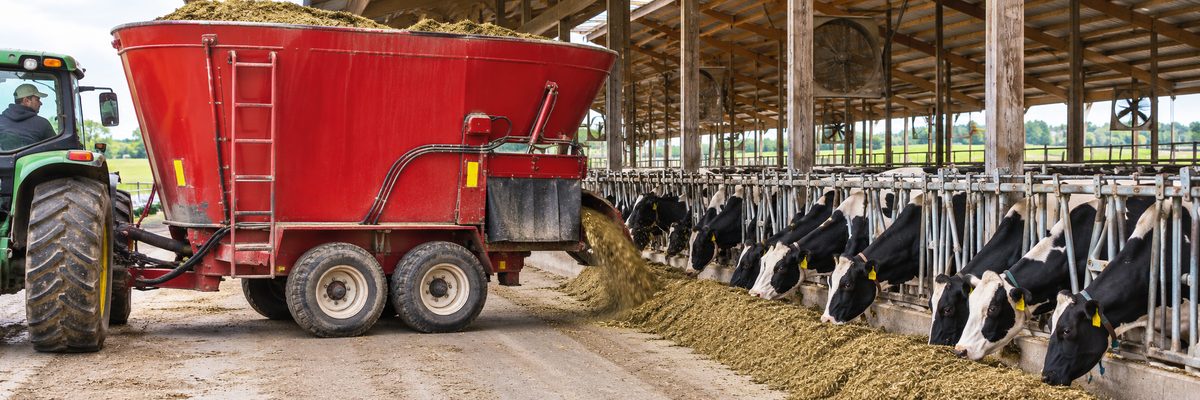
Feed is usually the biggest line on a dairy's expense sheet, so the person balancing the ration has a big say in your milk check. A good nutritionist can shave cost, fix a stubborn fat test, tighten up the transition cow program and catch problems before they hit the tank. A bad fit can do the reverse, or just cost money and produce a lot of printouts.
How you pay depends on the type of nutritionist you hire. Some charge a flat fee per cow or per visit, others bill hourly, and some are paid through the feed company that employs them, with the service built into the price of the feed. None of these is automatically better. What matters is that you understand how your adviser gets paid and what you get for it.
Below is a plain look at how the arrangement works, what to ask, and how to tell whether the money is well spent.
Types of dairy nutritionists
| Type | How they are usually paid | Things to consider |
|---|---|---|
| Independent consultant | Fee by herd size, by visit or by the hour | No product to sell, so recommendations are not tied to a feed line. You pay a direct fee, and availability can vary. |
| Feed company or mill nutritionist | Salary from the company; service often built into feed prices or purchase agreements | Convenient and often responsive. Ask how recommendations account for feed from other suppliers. |
| Co-op or dealer nutritionist | Similar to the feed company model | Local knowledge is a plus. Ask about independence and the product lineup. |
| University or extension specialist | Free or low cost, depending on the program | Great for education and troubleshooting, but usually not a full-time ration service. |
Fees vary a great deal by region, herd size and service level, so there is no single price to quote. Ask for a written description of what is included and what costs extra. Some farms pay a monthly flat fee that covers ration balancing and routine visits, while others pay per formulation or per hour of time on the farm. A herd of a few hundred cows and a herd of a few thousand will see very different arrangements.
What a nutritionist actually does
A good one is not just a person who spits out a ration sheet. The job usually includes:
- Formulating rations for each group of cows: lactating, dry, close-up, fresh and heifers. Reading a dairy ration report will help you follow what is on the page.
- Evaluating forage quality and adjusting rations when new cuttings or silages come into the mix. Samples go to a lab, and the results feed the formulation.
- Checking the herd for signs that the ration is working: manure, rumination, body condition, milk components, fresh cow health and feed sorting.
- Troubleshooting milk fat depression, high or low MUN, ketosis issues and drops in intake.
- Costing the ration and finding savings, which ties into cutting feed costs without losing milk.
- Working with the team: your vet, your forage crew, your milk-quality adviser and your feed supplier.
When a nutritionist pays for itself
The honest answer is that it depends on what is going wrong and how well you are already doing. A nutritionist is most likely to earn the fee when:
- Your feed bill is large and you suspect waste. Even small percentage improvements in feed efficiency add up on a big herd.
- You switched crops or forage storage and need to rebalance quickly. Corn silage and haylage change from field to field.
- Components or production are lagging with no clear cause. Milk fat and protein depression has many possible feed-related causes, and a nutritionist can narrow them down.
- Fresh cow problems keep showing up. Ketosis, displaced abomasums and slow starters often trace back to the close-up and transition period.
- You are expanding, changing housing or adding robots. New systems change intake and behavior.
On a very small farm, say a family cow or a handful of goats, a full consultant relationship may not make sense. A feed-store nutritionist, an extension agent or a vet with a nutrition interest may cover what you need. For a single cow, feeding a family cow on a small budget may be a better fit than a monthly retainer.
Questions to ask before you hire
- How are you paid? By the farm, by the feed company or through commissions? Ask plainly. A good professional will answer without flinching.
- What credentials and experience do you have? Many nutritionists are certified through a professional animal science organization, and experience with herds like yours matters. Ask for references from similar farms.
- What software and formulation approach do you use? Most use a recognized nutrient requirement model. You do not need to understand the code, but you should expect clear explanations.
- How often will you visit, and what will you do on the visit? A visit that is only a handshake and a ration update is not worth much. Look for barn walks, bunk checks and sampling.
- How do you handle feed from multiple suppliers? If you buy from more than one source, make sure the nutritionist will work with all of it.
- Who owns the data? You should be able to get your rations, test results and formulation history.
- How quickly can I reach you when something goes wrong? Cows have a talent for developing problems on a Sunday.
Things you can do to get more value
- Keep good records. Milk weights, components, health events and feed inventory let the nutritionist see trends.
- Sample forages consistently. A lab result from the wrong place in the silo misleads everyone, and sampling forage properly is a small job with big payoff.
- Tell the nutritionist when things change, such as a new silage, a sick pen, a different mixer driver or a change in water source.
- Make sure the ration on paper is the ration in the bunk. A TMR mixed incorrectly turns even a great formulation into an expensive guess.
- Ask for a short written summary after each visit with the changes made and why.
Where to find one
Ask neighbors, your milk handler or co-op, your vet and your feed dealer. University extension programs often keep lists of nutritionists or consultants, and many offer education on rations and feed costs. Penn State Extension and Cornell PRO-DAIRY both have dairy nutrition resources, including the Penn State Extension dairy page and Cornell PRO-DAIRY. If you are curious about the career side, how to become a dairy nutritionist describes the training and path.
Red flags
- Recommendations that always seem to involve more of the adviser's own product, with no cost comparison.
- No explanation when the ration changes.
- No interest in forage testing or in how cows are actually eating.
- Reluctance to share formulations or work with your other advisers.
- A very confident ration for a herd they have never walked through.
Quick answers
How much does a dairy nutritionist cost?
It depends on herd size, region and the service level. Some charge a flat fee per cow or visit, others bill hourly, and some build the service into feed prices. Get the terms in writing so you know what is covered.
Is a free feed-company nutritionist worth it?
Often, yes, but the service is paid for somewhere in the feed price. Ask how recommendations are made, how feed from other suppliers is handled and how your results are measured.
Do small dairies need a nutritionist?
Not always on a full-time basis. A small herd may do well with a feed-store nutritionist, extension agent or vet, plus forage testing, and bring in a consultant when problems show up.