How Milk Is Sampled and Graded at Pickup
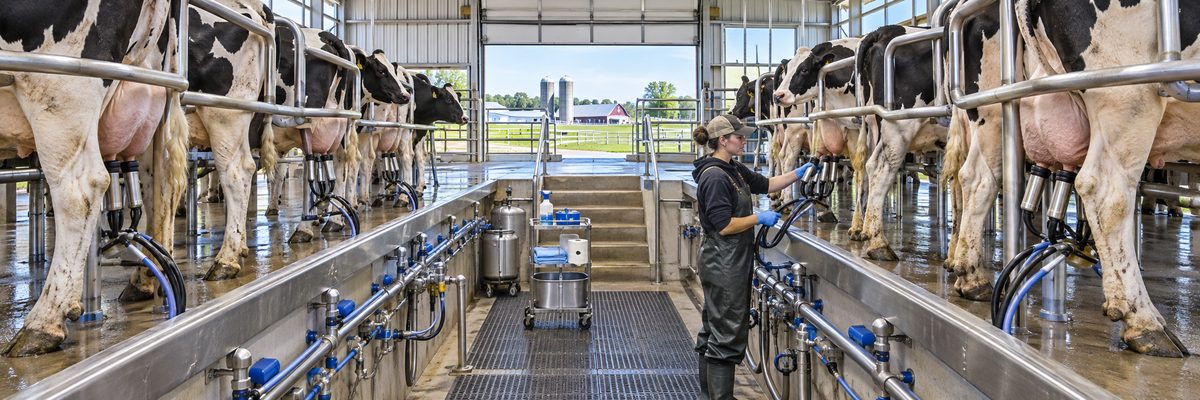
The hauler pulls in, hooks up, hums something over the sound of the pump, and leaves. It looks like a simple pickup. What actually happens in those fifteen minutes decides a good part of your milk check, and what happens afterward in a lab you will probably never see decides the rest.
Here is the short version. The hauler checks the tank, agitates the milk, records the temperature and volume, takes a sample, pumps the milk into the truck, and keeps the sample cold. The sample goes to a lab and gets run for things like bacteria, somatic cells and components. Another sample is taken when the loaded truck reaches the plant, and that one is tested for drug residues before the milk is unloaded. The details change with your state, your handler and your milk market, so ask your field rep how your own system works.
What the hauler does at your farm
In most places, the person picking up your milk is a licensed or certified bulk milk hauler and sampler, and the rules about what they must do come from state dairy regulators following the federal Grade A Pasteurized Milk Ordinance. In practice you will see a routine that looks something like this:
- Look at the tank and the milk house. Many haulers check that the milk looks and smells normal, that the temperature reading is acceptable, and that the room is reasonably clean.
- Agitate the milk for a set time so the sample actually represents the tank. Skipping this is how butterfat numbers go sideways.
- Measure the volume (by stick, by a calibrated gauge or by meter) and record it along with the temperature.
- Take a sample with a clean, sanitized dipper or sampling device and put it into a sample container, then into a cooler with ice or a cold source.
- Pump the milk into the truck through a hose that has been sanitized, then rinse and tag the equipment.
If something looks wrong, an experienced hauler will say so on the spot or reject the milk, and the rules on rejection vary by state and handler. A tank at the wrong temperature, an off smell or visible contamination are the usual reasons.
Why this matters to you
The sample is the milk, as far as the lab is concerned. If a tank wasn't agitated long enough, a bad sample can make a good tank look bad. If the hauler has to hunt for a dipper on your wall because your milk house is a mess, that is a tiny credibility problem you didn't need. Haulers see every milk house in the county and remember all of them. Keep the agitator working, keep the milk house sensible, and leave them a clear spot to work. A clean floor and a functional light cost less than a retest.
The sample sets: farm sample and plant sample
FDA's page on its milk drug residue sampling work explains a key point about how samples are used. According to FDA's question-and-answer page on milk drug residue sampling, the Pasteurized Milk Ordinance requires a milk sample to be collected every time raw milk is picked up at the farm, often called a universal sample. A sample is also taken when a truckload arrives at a Grade A plant. Each arriving truckload must be tested for at least four of six specific beta-lactam drugs, and if the load shows concerning results, each farm that supplied it faces mandatory testing. The farm-level universal samples are typically tested only if the load at the plant tests positive.
That is why a residue problem is never just about your cow. One load with several farms' milk, and a positive, brings the universal samples out of storage. If you want the protocol for staying out of that situation, see preventing antibiotic residues in the bulk tank.
What gets tested in the lab
The regular tests vary by handler, by state and by whether you ship Grade A or manufacturing-grade milk, but a typical farm sample gets some mix of the following.
| Test | What it tells the plant | What it tells you |
|---|---|---|
| Somatic cell count | Udder health in the herd, and milk shelf life and cheese yield | How many cows are fighting infection |
| Standard plate count | Total bacteria in the milk | Cleaning, cooling and hygiene problems |
| Preliminary incubation or lab pasteurization count | Bacteria that grow with a head start, or that survive pasteurization | Equipment cleaning, or particular bacteria sources |
| Coliform count | Fecal and environmental contamination | Teat prep, bedding and wash-water issues |
| Butterfat, protein and other solids | What the milk is worth in the vat | Feeding and genetics, and how the milk check is built |
| Freezing point | Whether water has been added to the milk | Leaking valves or a wash-water problem |
| Drug residue screens | Whether it can legally be sold | A positive is a serious event |
Our articles on the milk quality tests your hauler and plant run and what a high PI count says about your cleaning go into more of those lines, and the Grade A somatic cell limit explains the legal ceiling that matters for Grade A shippers.
How "grading" actually works
People say "my milk graded out" as if a person with a clipboard gave it a letter. It is closer to a set of thresholds. Grade A milk meets the standards in the Pasteurized Milk Ordinance and state rules for producing milk for fluid use, including limits on bacteria and somatic cells, and the farm gets inspected on a regular schedule. Milk that does not meet Grade A standards may still be sold for manufacturing, usually at a lower price. Beyond that, your handler or cooperative layers on quality premiums and deductions based on its own test results. How milk quality premiums work lays out those layers, and the specifics are in your contract, not here.
Nobody has ever won an argument with a lab report, but plenty have tried. If you have a test result that looks off, ask for the lab report and the date. The first questions to ask are whether the sample was taken after proper agitation, whether the milk temperature on pickup was in range, and what changed in your barn in the week before. Troubleshooting a high bacteria count in milk gives the checklist.
Practical ways to protect your sample
- Run the agitator before the hauler arrives if your tank is set up to do so, and confirm it covers the milk when volume is low.
- Keep the tank thermometer and gauge in working order. A bad sensor produces bad records.
- Do not do anything to the tank right before pickup that adds water or detergent. A rinse that did not drain is a classic freezing point problem.
- Know your hauler. A quick chat about what they see at other farms is better than any pamphlet, and they will tell you things the lab report won't, usually for the price of a coffee.
- Keep your own records of test results by date, so trends show up before a premium disappears.
Not every hauler runs this exactly the same way, and some farms have an automated sampling device on the tank. Whatever the setup, the aim is the same: a sample that honestly represents the milk in the tank.
Regional notes
Milk marketing and testing details differ between federal milk marketing orders, state-regulated markets and cooperatives, and the Upper Midwest, Northeast, Southeast, Southwest and West Coast all have their own habits and sampling schedules. USDA's Agricultural Marketing Service explains federal milk marketing order basics on its dairy marketing page, and your state dairy regulator and handler have the local rules.
Quick answers
Who takes the milk sample from my tank?
Usually a licensed or certified bulk milk hauler and sampler, following state rules based on the Pasteurized Milk Ordinance. Some farms also have automatic sampling equipment, so ask your handler how it works in your area.
Is my milk tested for antibiotics every pickup?
The ordinance requires a sample from every pickup, and each tanker is tested at the plant for specific beta-lactam drugs. The individual farm samples are usually tested if the load at the plant comes back positive.
Can I get a copy of the lab results?
Generally yes. Ask your milk handler or field rep, who can usually provide the results by date, and keep a running record so you can spot a trend.