Training First-Calf Heifers to the Parlor
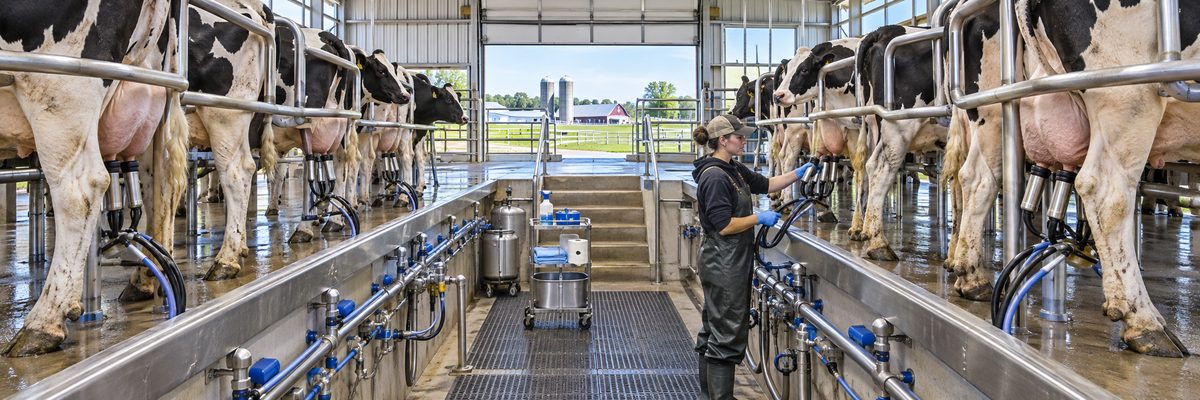
A first-calf heifer's view of the milking parlor is simple: a loud, slippery room where strangers handle parts of her nobody has ever touched. She isn't wrong. The job is to make that room boring as fast as possible, because a calm heifer lets her milk down, and a worked-up one holds it back.
The short version is this. Start handling before she calves, keep the first milkings quiet and consistent, never punish a kick, and put your steadiest milker on the fresh string. Heifers that learn the routine in the first week or two usually carry it through the whole lactation. Heifers that learn that the parlor means yelling carry that too.
Start before she calves
The parlor should not be a surprise on calving day. Most of the groundwork happens in the weeks before freshening, and getting springing heifers used to the parlor covers that pre-calving walk-through in more detail. The basics:
- Move them in with the cow group a few weeks ahead so they learn the pen, the feed bunk and the pecking order before they also have to learn milking.
- Walk them through the parlor once or twice, without milking, so the noise, the grated floor and the stall dividers are old news.
- Handle the udder and legs gently while they eat. A heifer that has felt a hand on her udder before calving is half trained.
- Feed a little grain in the stall during the walk-through so the parlor and a good experience get linked.
Herds with a long walk or a tight holding pen often find that this one practice pays for itself. Heifers raised on pasture or in outdoor lots tend to be flightier around machinery than heifers raised in barns around people, so give them extra time.
Milking the first few days
Fresh heifers are swollen, sore and a little scared, and their udders may be tight with edema. Go slow. Rushing a heifer is the fastest way to teach her to kick.
Set up the stall for success
- Bring her in with experienced cows if your layout allows it. Cows that file into a parlor like it's a bus stop are good role models.
- Keep the crowd gate gentle. A gate that pushes harder than the heifer wants to walk is how a heifer ends up walking backward through the parlor, usually at the exact moment the milker has both hands full.
- Use the same stall when you can, and the same person, for the first several milkings.
Prep with patience
Do the same teat prep you do on every cow: forestrip, pre-dip, wipe, then attach. You can read through pre-milking teat prep, step by step if the routine needs tightening. With a nervous heifer, add a few extra seconds of gentle stimulation and talk to her. A low voice is free and works better than a raised one.
Keep the units hanging straight, with the claw hung so there's no pull on the teats. A unit that crawls up one side or tugs a sore teat gives a heifer a very good reason to kick it off.
Let-down is the whole game
Milk release depends on oxytocin, which a cow releases when she feels comfortable and stimulated. Fear and pain release adrenaline, which can block that response. A frightened heifer can hold back milk even when the udder is full, which leaves milk in the udder, lowers yield and can raise mastitis risk. The detailed causes and fixes are covered in milk let-down problems and how to fix them.
For a heifer, the practical points are:
- Keep stimulation consistent: the same prep, the same sequence, the same unit-on timing each milking.
- Attach the unit while the let-down window is open, typically within roughly a minute or so after stimulation begins.
- Don't over-handle. Stimulation should be thorough but not endless.
If a heifer lets milk down poorly for a day or two, that's common. If she's still holding up milk after a couple of weeks, look at what's frightening her before you reach for any hormone products. Those are a vet decision, not a milker's shortcut.
Handling kickers without making them worse
Every herd has a heifer who treats the milking unit like a personal insult. A few rules help.
- Never hit, shock or shout. You will get a worse kicker and a worse let-down.
- Approach from the side and let her see and smell you before you reach under her.
- Use a leg strap or kick rail only as a short-term safety aid, not a permanent fix, and make sure it can't injure her or trap a leg.
- Check for a physical cause. Cracked teat skin, a hard quarter, a tight liner or a stray tingle through the stall can all produce a "kicker" who is actually just reacting. Persistent jumpiness in one stall is worth a look at the stray voltage warning signs.
- Protect the milker. Stand where a kick lands on a thigh, not a knee, and keep a clear path out.
Most heifers settle in a week or two. The ones who don't are worth a closer look: a quarter with mastitis, a sore foot, or a plain bad temperament that may influence culling decisions down the road.
Where heifers fit in the milking order
Many herds milk first-calf heifers early in the order because they're typically cleaner, with lower infection rates, and because a calm routine is easier to protect when the line is fresh. Others milk them with the fresh group so they get one-on-one time. Neither is wrong, but the order should be consistent, and the milking order for fresh and treated cows shows how to keep milk from treated animals out of the tank no matter where she stands.
Heifers don't have mastitis history, but a heifer can still come in fresh with it, so check the milk at the first milkings and talk to your herd vet if something looks off.
Mistakes that undo the training
- Changing people every day. A heifer learns a person's smell, pace and voice. Rotating through six milkers in a week resets her.
- Changing the routine. Heifers love consistency about as much as the rest of us love Monday mornings, which is to say they tolerate it only when it's predictable.
- Using the parlor for the first time on calving day. She just had a calf, her hormones are doing laps, and now you're asking her to walk into a new room.
- Leaving the learning to the dumbest-looking cow. Pair heifers with calm herdmates, not the cow that already hates the parlor.
For more on building a steady routine across everyone who works the parlor, see how to set up a consistent milking routine. For a longer look at milk quality and handling, the UW-Madison Extension milk quality page and the National Mastitis Council are good places to start.
Quick answers
How long does it take to train a heifer to the parlor?
Most settle within a week or two of freshening, especially if they were handled before calving. A few take a month. If one is still wild after that, look for pain, a sore quarter or an equipment issue rather than assuming she's just stubborn.
Should I milk heifers separately from cows?
You don't have to, though many dairies do for the first few weeks so the group stays calm and the heifers get gentler handling. The key is a consistent pattern, plus a plan to keep any treated animal's milk out of the tank.
Why won't my fresh heifer let her milk down?
Fear, pain or a rushed prep are the usual causes, since stress hormones can block let-down. Slow the routine, keep the same milker, check for sore teats or an udder problem, and ask your vet before using any medication.