Milk Quality Tests Your Hauler and Plant Run
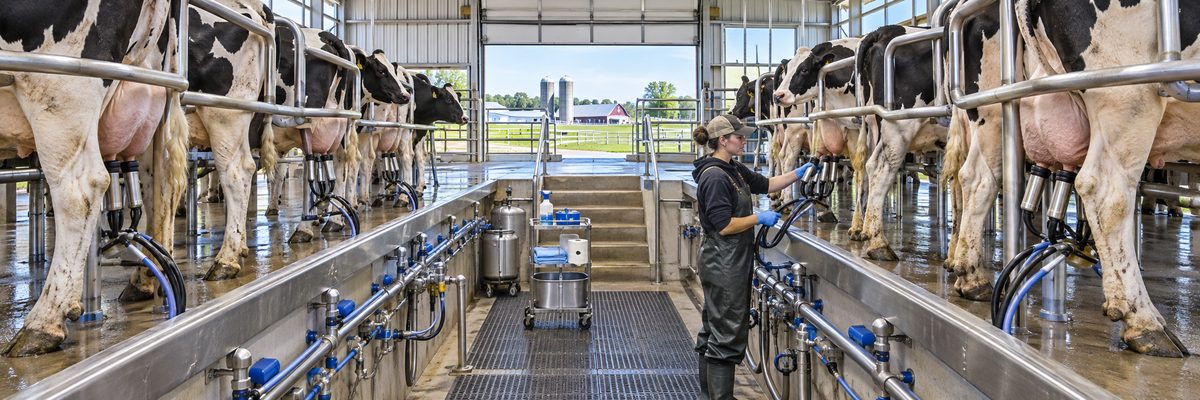
Your milk gets tested at least three times before it leaves your road: the hauler checks temperature, volume and smell and pulls a sample; the plant screens the whole tanker for antibiotics before unloading; and a lab runs routine quality tests on your own sample, including bacteria and somatic cells. Components and added-water checks are in the mix too.
It's worth understanding who does what, because a failed test at any of those points lands on someone, and sometimes that someone is you. The details below follow the overview in UW-Madison Extension's guide to milk and dairy testing. State rules and buyer practices vary, so check with your own dairy agency and milk handler.
If you have ever wondered why the hauler sniffs your milk like a sommelier, this is the reason.
At your farm: the hauler's checks
A licensed bulk milk hauler is the person standing between your tank and the rest of the milk system. In many states the hauler also holds a sampler permit, which means the sample is an official sample that regulators can act on. The Minnesota Department of Agriculture's bulk milk hauler study guide is a good look at how seriously those duties are treated, including records of tank temperature checks, stick readings and rejection criteria.
At pickup the hauler typically does the following:
- Looks and smells. Off odors, visible problems or abnormal milk can lead to rejection.
- Reads the temperature. Milk that is too warm may be refused, with the specifics depending on state rules and how recently the milk was produced. Milk from a milking finished within the past couple of hours is often treated differently from milk that has been sitting.
- Measures the volume. This is what you are paid on, so the stick reading or meter reading gets recorded.
- Takes a sample. The sample is labeled with your farm, the date and the temperature, and kept cold on the truck. This is the sample that gets tested for your quality results. For the full process, see how milk is sampled and graded at pickup.
On-farm tests you control
Many farms add their own checks before milk reaches the tank, especially for treated cows. Rapid antibiotic test kits on treated or fresh cow milk are a good precaution, and keeping accurate treatment and withdrawal records is the base of it all. The guides on preventing antibiotic residues and on keeping the milk withholding record cover that side.
At the plant: the tanker test
When the truck arrives at the plant, a composite sample from the whole load is tested for drug residues before anything is unloaded. UW Extension notes this is required for every load under the Grade A Pasteurized Milk Ordinance, using rapid tests sensitive at least to beta-lactam antibiotics, which are the most common residues of concern.
If the tanker sample tests positive, it is retested to confirm. A confirmed positive means the load is rejected and kept out of the food supply. Then the plant or a certified lab tests each farm's sample from that load to find the source. The farm responsible faces regulatory action, which can include suspension of its milk permit and paying for the lost milk. A load is a lot of milk, so a single positive tends to get remembered.
At the lab: your routine quality tests
Your sample goes to a certified laboratory, which may be run by your plant, a cooperative or a state agency. UW Extension lists the regular tests:
Standard plate count (bacteria)
Measures how many bacteria are in the milk, which reflects cleanliness and cooling. The limit for Grade A producers is 100,000 per milliliter, and having three of five consecutive samples over that limit can lead to suspension. At least one sample per month has to be tested and reported, and many plants test more often. Your plant may also run other bacteria tests such as preliminary incubation, which says a lot about your cleaning.
Somatic cell count
Mostly white blood cells, a measure of udder health. The federal limit for cow milk is 750,000 cells per milliliter, and at least one sample per month must be tested. In the Wisconsin summary, two of four recent counts over the limit brings a warning, and a single count over 1,000,000 triggers faster follow-up. The Grade A somatic cell limit works the same way in concept elsewhere, though specifics differ by state.
Components
Butterfat, protein and other solids are measured because they determine part of what you are paid. Component testing labs must be certified and use approved methods, since the accuracy of the test is a commercial matter as well as a regulatory one.
Added water and sediment
A freezing point test detects added water, which is illegal. Some buyers and inspectors run sediment tests that filter a sample to look for dirt and debris, and high sediment can point to poor filtration or hygiene. Some field reps also check odor and flavor to catch feed-related off flavors.
At the plant: after unloading
Milk from many farms is combined in plant storage, and the plant tests that commingled milk too. UW Extension gives the example that commingled Grade A raw milk is limited to 300,000 bacteria per milliliter. A high number for the whole silo is a sign that some farm or farms are pulling the number up, which is how plants end up looking harder at individual samples.
How the tests connect to your milk check
Some of these tests decide whether you can ship at all, and some decide what you are paid. Quality premiums are set by your buyer, usually on top of the legal minimums, so check your own program.
What to do with the results
- Read every report when it arrives, not just the one that comes with a warning.
- Keep a log of SCC, bacteria and any other counts alongside barn changes.
- Call your field rep at the first sign of a trend and not at the first sign of a penalty.
- Keep treatment records current. They are the best defense against an unexplained drug residue.
It also helps to see the funny side before the lab does. This farm.FM piece on a farmer whose accidentally sparkling milk became the hit of a Lubbock party, where guests mistook it for a new take on cappuccino, is the kind of surprise that works at a party and nowhere near a bulk tank, which is why the tests above exist.
Quick answers
Does the hauler test my milk at the farm?
The hauler inspects the milk, records the temperature and volume and pulls a representative sample. The lab tests that sample later, and the plant screens the whole tanker for antibiotics at unloading.
What happens if the tanker tests positive for antibiotics?
The test is repeated, and if it is confirmed the whole load is rejected. The plant then tests each farm's sample from that load to find the source, and the farm responsible faces regulatory action.
How often is my milk tested for SCC and bacteria?
At least monthly under the model rules, and many plants test more often. Ask your handler how often your milk is sampled and when results are posted.