Using a Custom Heifer Grower: What to Ask and Put in Writing
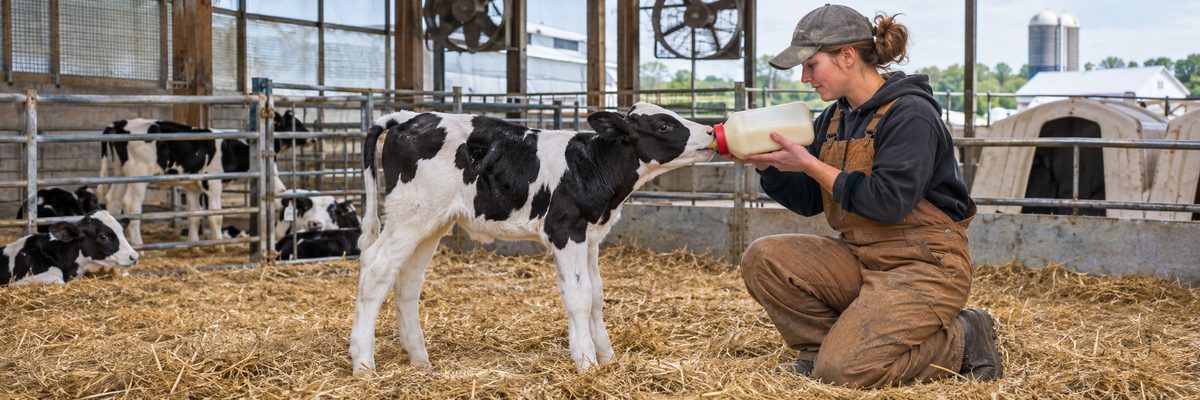
Sending your heifers down the road to a custom grower frees up barn space, labor and a lot of mental bandwidth. It also puts your future milking herd on someone else's property, under someone else's feeding and health program, at a daily rate you'll be paying for a year or more. Done well, it works for a lot of dairies. Done on a handshake, it's the kind of arrangement where a disagreement at the end costs real money and a few Thanksgivings.
The short version: visit the operation more than once, ask for the same records you keep yourself, agree on growth and health targets before animals arrive, and write down who pays for what when something goes wrong. A grower who bristles at any of that is giving you useful information early.
Why dairies use a custom grower
The common reasons are straightforward. A dairy short on facilities or labor can put those resources into the milking herd and let someone else handle growing animals. A grower with a dedicated heifer setup, such as good feed storage, pens sized for each age group, and a person whose entire job is young stock, may do the work more consistently than a farm where heifers are the last chore of a busy day. Others use a grower to free up land or to expand cow numbers without building another barn.
The downside is that you lose day-to-day eyes on the animals. That makes records, communication and visits the whole game. And since the grower isn't rewarded for the animal's eventual milk production, your contract has to carry the incentives. Before signing up, it helps to know what raising a heifer costs on your own place, because that's the number any grower's bid gets compared against. What it costs to raise a dairy heifer walks through the pieces so you aren't comparing a quote to a guess.
What to look at during the visit
Go in person, preferably unannounced for at least one visit, and bring a list. Things worth checking:
- The animals themselves. Are the heifers in each pen similar in size? A wide spread in a group usually means bunk space or competition problems. Look at coat, manure, and how they move away from you.
- Feed and water. Where does the feed come from, who balances the ration, and is it tailored to each age group? Is there a clean waterer in every pen, not one muddy trough for the whole yard?
- Space and housing. Bunk space, bedded area or shade, and ventilation. Overstocked pens undermine everything else, and every grower will say a crowded pen is only temporary. Ask how long temporary has been going on.
- The cattle already there. Whose animals share the pens, and where did they come from? A grower who takes in heifers from many farms has a different biosecurity picture than one who raises for two or three clients.
- Weighing and measuring. Ask whether they have a scale or tape and how often they use it. A grower with no way to measure growth can't promise you growth.
- Vet relationship. Who's the vet, how often do they visit, and what happens if a heifer gets sick on a Saturday night.
A tidy office and a muddy heifer pen tell you where the grower actually spends the day. Talk to other dairies that use the grower, not only the references handed to you. Then ask the question that settles most things: how many heifers were returned that the dairy was happy with?
Terms that belong in writing
Put the contract in a form you could hand to a stranger and have them understand it. At a minimum, cover these points:
| Topic | What to settle |
|---|---|
| Pricing | Daily rate, or a cost-plus arrangement. If feed is passed through at cost, how will you see the invoices? What triggers a rate change? |
| Ages and weights | Age at arrival, weight and height targets at set check points, and what happens if animals fall behind. |
| Health program | Vaccinations, deworming, and treatment protocols. Who decides, who pays, and when you get called. |
| Breeding | Who handles heat detection and insemination, whose semen, who pays technician and vet fees, and the age or weight when breeding starts. |
| Pregnancy checks | When they happen, who does them, and what happens to heifers that don't settle. |
| Death loss | Who bears it, how it's documented, and the vet or necropsy findings you're entitled to. |
| Records | What data you get, how often, and in what form. Ear tag numbers should match your own. |
| Transport | Who hauls, who pays, and how animals are loaded and returned. |
| Biosecurity | Testing or vaccination status required of other animals on the site, and visitor rules. |
| Exit terms | Notice, final accounting, and what happens when either side wants out early. |
Growth and breeding targets
Tie the arrangement to measurable goals. A grower who knows heifers are expected to hit specific height and weight targets by certain ages has a reason to feed them properly. The benchmarks in heifer growth targets by age are a common starting point, and your nutritionist or vet can adjust them for your breed. Spell out when breeding should begin; the reasoning behind breeding dairy heifers by age and weight applies whether she's in your barn or someone else's.
If the grower breeds the heifers, agree on the program and the sires. A mismatch here is expensive. If you want calving ease sires on first-calf heifers, say so in writing, using something like calving ease sire selection as the reference.
Biosecurity and health status
Heifers coming home from a multi-farm operation can bring more than a good frame. Ask about herd status for BVD and Johne's disease, vaccination protocols and how new arrivals are separated from resident animals. Your own herd's disease risk is the reason to take this seriously, and a short read of building a biosecurity plan for a dairy farm will give you the questions. Plan on a quarantine period when heifers come home, regardless of how clean the grower looks; the farm's own animals have no history with whatever came back in the trailer.
Keeping tabs once they're gone
- Ask for a regular report with weights, heights, health events and breeding dates, and compare it with the animals when you visit.
- Visit on a schedule you set, and show up sometimes when nobody expects you.
- Keep your own file for each heifer. Ear tags, dates and treatments should line up on both sides.
- Review the numbers together at a set interval, not just when something is wrong.
The Dairy Calf and Heifer Association publishes material aimed at people who raise young dairy stock, and it's a good place to compare a grower's practices against what the industry considers solid. For regional questions on feed, housing and legal contracts, your extension office and attorney should see the draft before you sign. A lawyer who has read a hundred farm agreements will catch what you won't, and the fee is cheap next to a dispute over a pen of open heifers.
Quick answers
Is a custom heifer grower cheaper than raising my own?
Sometimes, but only if you know your own true cost, including labor and facilities. Compare a grower's daily rate and pass-through charges against that number, not against a feed bill alone.
What happens if a heifer dies at the grower's?
That depends entirely on what the contract says, which is why it should say it. Spell out who bears the loss, what documentation or vet findings you receive, and how the final bill is adjusted.
How often should I visit my heifers at a custom operation?
Often enough to see changes in growth and health, and with a few unannounced stops. Many dairies set a regular schedule and pair it with written reports, so a problem has a hard time hiding for months.