Breeding, Genetics & Reproduction
Choosing Calving Ease Sires for First-Calf Heifers
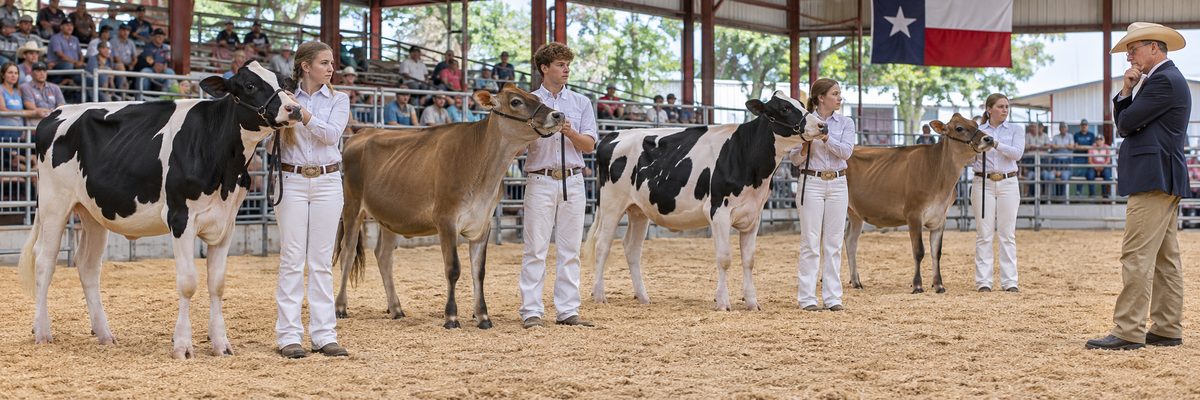
Nobody has ever regretted choosing an easy-calving bull for a heifer. Plenty of people have regretted the other thing, usually at two in the morning with a chain, a flashlight and a heifer who has opinions about the whole arrangement.
Here's what you need to know. Sires carry two separate calving ease ratings, and people mix them up constantly. Sire calving ease tells you how easily calves sired by that bull are born. Daughter calving ease tells you how easily that bull's daughters will calve when their turn comes. For heifers you're breeding right now, you want the first one. For picking replacements that will calve easily later, you care about the second.
Both are reported on the proof as predicted transmitting abilities, and both are published as an estimate of the percentage of difficult births. Lower numbers are better for the first-calf heifers you're breeding now, and your AI company's sire catalog or the evaluation source will state exactly how each is scaled, so check the definition before you compare bulls across lists.
Why heifers are the problem group
A heifer has never calved before. Her pelvic opening is smaller than a mature cow's, she's still growing, and her calf is often as big as a cow's calf even though she's carrying it through a tighter space. Those three facts together produce most of the trouble.
Difficult births cost money in ways the vet bill only starts to cover. Calves born hard are weaker and more prone to being slow to nurse. Heifers that had a rough calving can have more fresh-cow problems, including retained placenta, uterine infections and slower return to heat. And a stillborn calf is a lost calf and a delayed lactation for no benefit at all. The longer you stay in dairy, the less appealing that risk looks.
Reading the two numbers
Sire calving ease
This is the one to use for heifers you're breeding. It describes how sire's calves behave at birth, including size and shape effects. Bulls with a low percentage of difficult births tend to be sires whose calves are not oversized for the dam. Some beef sires, used on dairy cows for crossbred calves, are also rated for calving ease, so you can apply the same thinking there; breeding dairy cows to beef bulls goes into what to watch when you cross.
Daughter calving ease
This describes how the sire's daughters will calve as heifers themselves. It matters when you're choosing sires for the heifers you plan to keep. A bull that makes small, easy-birth calves is not automatically a bull whose daughters have easy births, and it works the other way too. Treat them as separate traits and read them separately.
Stillbirth rate
Stillbirth is tracked as a sire trait and as a daughter trait too, and the difference matters just as much. Stillbirth is closely tied to difficult calving, but not identical to it. If a bull has a good calving ease score and a poor stillbirth score, ask why before you commit.
Picking sires for a heifer list
- Start with the same total merit index you use for the rest of the herd. Calving ease is a filter, not a replacement for your goals.
- Screen for sire calving ease and exclude sires with a high percentage of difficult births, however good the milk numbers look. Where the cutoff should sit depends on your herd's history and the sires available.
- Check stillbirth and any livability numbers next to calving ease.
- Avoid sires known for extreme size or stature when breeding smaller or younger heifers.
- Use a separate list for heifers and a separate list for mature cows. A bull that's wrong for your heifers can be perfectly fine on third-lactation cows.
If you haven't looked closely at proofs in a while, how to read a sire proof is a good place to refresh the basics. For the overall relationship between fertility and calving traits, fertility traits and daughter pregnancy rate shows how the two sets of numbers can pull in different directions.
What a good sire can't fix
You can pick the easiest calving bull in the catalog and still have trouble if the heifers are bred too young or too small. Size at breeding matters more than most people think, and a heifer that is bred at the wrong weight faces more risk whatever the sire's rating says. When to breed dairy heifers by age and weight lays out the targets.
Other things that move calving trouble:
- Body condition. Overconditioned heifers calve harder, and a heifer that looks like a show animal in the pen may be a problem in the calving stall.
- Feeding in late gestation. Pushing the heifer to grow a calf bigger than necessary doesn't pay off.
- Pen setup. A clean, well-bedded calving pen with room to move helps heifers calve without an audience of nervous cows.
- Watching. A heifer who's actually been observed at the right time gets help before things go wrong. Heifers have a gift for waiting until shift change.
Dairy herds in different regions face their own versions of this. Upper Midwest herds that calve year-round deal with winter births and cold calves, while Southeast and Southwest herds have heat stress during late gestation, which affects calf size and cow comfort. Grazing herds with seasonal calving see heifers calve over a short window, so fewer people are watching more animals at once. Match your sire choice to how many calvings you can realistically supervise.
Getting help at calving
The bull catalog will never mention that the heifer picks her moment, which is usually Sunday, in sleet, after the vet has gone fishing.
An easy-calving sire reduces how often you need to intervene, but it never takes the possibility away. If a heifer is in labor and not progressing, know ahead of time who you're calling, and know when to call. When to assist a calving cow or call the vet covers the decision points. If you do need to help, how to pull a calf safely is worth reading before you need it and not during.
For general dairy reproduction and genetics material from land-grant sources, the Cornell PRO-DAIRY program and your state extension dairy specialists are good places to look, and your herd vet can talk through calving ease for your particular herd.
Quick answers
Which calving ease number do I use for heifers?
Use sire calving ease for the heifers you're breeding now, since it describes how calves sired by that bull are born. Daughter calving ease is for choosing sires whose daughters you plan to keep.
Do calving ease sires hurt milk or type?
Not necessarily. Many bulls are strong on calving ease and total merit at the same time. You may give up a little on one trait or another, but a good total merit index already weighs these trade-offs.
Can sexed semen help with calving ease?
Heifer calves are often a little smaller at birth than bull calves, so some farmers like sexed female semen on heifers for that reason. It isn't a guarantee, and sire selection and heifer size still matter more.