What It Costs to Raise a Dairy Heifer to Calving
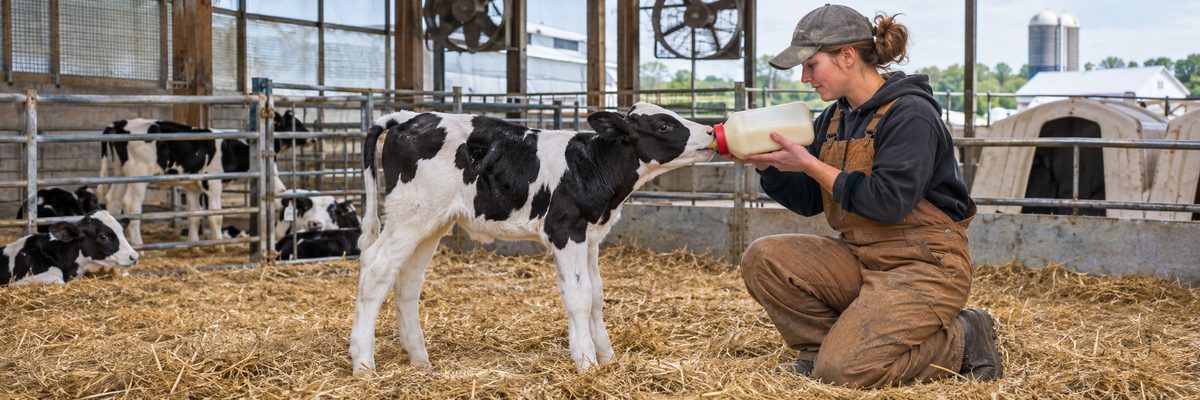
The heifer is the one animal on the dairy that eats for two years before she earns a nickel. She does not show up on the milk check, so her costs tend to hide in the feed bill, the labor budget and an old barn nobody has depreciated. Then the accountant asks what she cost you, and everyone looks at the ceiling.
The short answer from recent university work is that raising a heifer to freshening typically costs somewhere in the low-to-mid thousands of dollars per head, with a very wide spread between farms. What drives the difference is not mysterious: age at first calving, feed prices, and how well you keep calves alive and growing.
Below is a line-item way to calculate your own number, what the research says about where the money goes, and how to compare the result against buying replacements or paying a grower.
What the numbers look like
Penn State Extension followed 545 heifers on 20 conventional and 20 organic dairy farms from birth through freshening and compared growth data with each farm's finances. As described in its article on the importance of heifer inventory, the conventional farms averaged roughly $2,100 to $2,300 per heifer to freshening, but the range across farms ran from about $1,400 to about $3,400. Organic farms averaged roughly $2,000 to $2,200, with a range of about $1,100 to $3,600. The biggest factors were higher age at first calving and high purchased feed prices.
Treat those as a snapshot, not a price list. Feed, labor and interest costs move, and your farm's number will depend on your ration, your forage and your management. That wide range is also the most useful part: it says there is room to improve on most farms.
Where the money goes
An older Penn State Extension paper on heifer economics breaks the cost down in a way that still holds up as a framework. Replacement heifers typically account for 15 to 20 percent of milk production costs, and rank as the second or third largest cost component after feed and possibly labor. Within the heifer, feed is the big one, around 60 percent of the total. Labor is second at roughly 13 percent. Mortality and interest together come third.
The same paper points out that the two most expensive stages on a per-day basis are birth to weaning and bred to prefresh. Birth to weaning is expensive because a calf takes a lot of labor and milk or replacer for a small animal. Late gestation is expensive because she is big and eating a lot.
A line-item worksheet
Fill this in for each stage: birth to weaning, weaning to six months, six months to first breeding, and bred to prefresh. It is the structure the Penn State paper uses.
| Cost line | What to count |
|---|---|
| Feed | Milk or replacer, starter, forage, grain, minerals, plus waste |
| Labor | Hours per heifer per stage, at a real hourly rate (include family labor) |
| Breeding | Semen, technician or your own time, pregnancy checks, or bull cost |
| Bedding | Straw, sand, shavings, or pack material |
| Health | Vaccines, treatments, vet visits, tags, dehorning supplies |
| Buildings and equipment | Depreciation, repairs, taxes, insurance; include old paid-off barns that still need maintenance |
| Mortality | The loss of animals you raised that did not make it |
| Interest | The opportunity cost of the money tied up in the heifer |
| Miscellaneous | Water, power, fuel, hauling, the stuff nobody counts |
Mortality and interest are the lines people leave off most often, because you cannot touch them. Leave them off and your heifer looks cheaper than she is.
Why age at first calving is the lever
The Penn State economics paper calls age at calving and replacement rate the largest factors affecting heifer costs, and the target it gives is freshening between 22 and 24 months. Every extra month is a month of feed, labor and housing without milk to pay for it. A heifer that calves at 28 months has cost you a lot more than one at 23, and it does not matter how nice her pedigree is.
Getting there means growth on target and breeding on time. See heifer growth targets by age, when to breed dairy heifers by age and weight, and weighing and measuring heifers so you know where each group stands.
Raise, buy or contract?
Once you know your cost, compare it honestly. The Penn State paper notes that some farmers who work out their true cost find a contract grower is cheaper. That does not make it right for every farm. Consider:
- Raise at home: you control health and genetics, and you see every animal. You also carry the labor, the facilities and the risk. Good if you have space, labor and a system that works.
- Buy replacements: can fill gaps quickly, but Penn State's inventory article flags the cost and the biosecurity risk, since stress from trucking and new surroundings can cause illness and purchased animals can bring disease to the home herd. See buying replacement heifers: what to check before you pay.
- Contract grower: frees up your barn and labor, at a price per day, and shifts some of the day-to-day management. Get terms in writing; using a custom heifer grower covers what to ask.
Whichever you choose, tie the answer back to your milk cost of production. A heifer program that looks fine alone can look different when you set it next to your cost of production per hundredweight.
Where to trim without hurting the heifer
You do not cut costs by feeding the heifers less. That makes them calve later, and later is the expensive direction. Savings come from:
- Fewer heifers: raising more than you need is the most common waste. See how many replacement heifers your herd needs.
- Better calf health, because every calf you lose or stunt is a cost without a return.
- Right-sized rations, with a nutritionist checking forage and growth.
- Earlier, on-target breeding so first calving lands in the 22-to-24 month window.
- Counting and tracking costs by stage so you know where you are overspending.
If the numbers get you down, farm.FM has a page of heifer jokes about the sassy young bovine divas who have not calved yet but already know how to steal the show, which is about as accurate a description of a replacement heifer's cost-to-contribution ratio as you will find.
Regional notes
Feed costs make a big difference. Upper Midwest and Northeast farms with plentiful home-grown forage often have a cost advantage on forage-heavy heifer rations, while Southwest and West Coast dairies that buy most of their feed feel price swings more. Grazing dairies in forage regions may lower costs with pasture. Southeast heat can slow growth and push first calving later, which shows up in the cost line.
Quick answers
How much does it cost to raise a dairy heifer?
Recent university work puts it in the low-to-mid thousands of dollars per heifer to freshening, with a wide range between farms. Your own number depends on feed, labor, age at calving and how many animals you lose.
What is the biggest cost in raising heifers?
Feed, at roughly 60 percent of the total, followed by labor at about 13 percent, per Penn State's heifer economics paper. Age at first calving and the number of heifers raised drive how large those lines get.
Is it cheaper to buy replacement heifers?
Sometimes, but it brings disease and stress risks, and the cost depends on the market. Work out your actual cost first, then compare it against purchase and contract options.