Barns, Cow Comfort & Equipment
Tiestall Comfort Upgrades That Pay Off
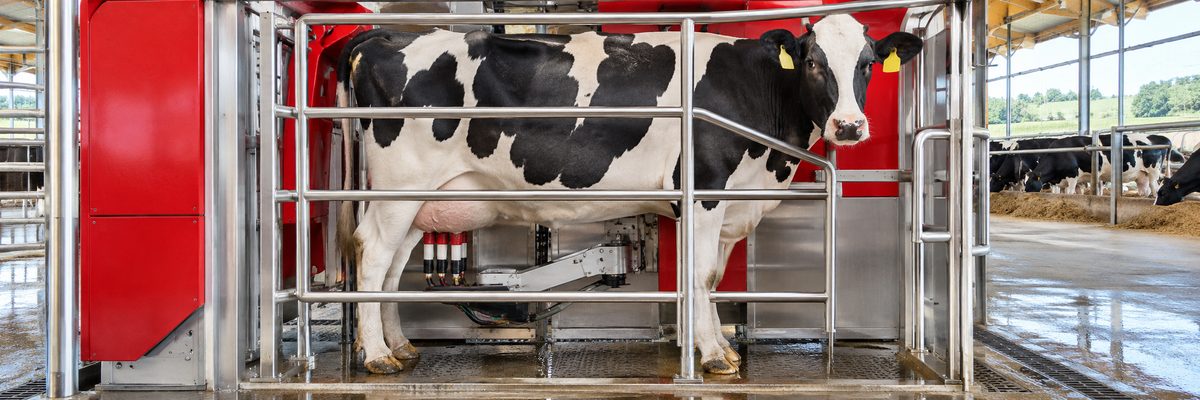
A tiestall barn does not have to be a museum piece. Plenty of small dairies in the Northeast, Upper Midwest and Appalachia milk good, healthy cows in barns their grandfathers built, and a handful of inexpensive changes can make those cows noticeably more comfortable. The trick is knowing which ones matter and which ones are just new paint on a bad idea.
Start where the cow actually lives: the stall base and bedding, the tie rail and chain, the stall width, the water bowl, and the curbs. Most of these cost less than a single replacement milking unit, and several cost less than the vet call you would make over a swollen hock. Do not rebuild the barn. Fix the parts a cow touches.
First, figure out what hurts the cows
Before you spend a dime, spend an evening in the barn. Watch cows lie down and get up. Do they hit their heads or hips on something? Are knees and hocks swollen? Are cows dirty along the flanks? Do some cows lie half-diagonal across the stall? Those are the symptoms. The upgrades below are the treatment.
Also look at the one thing that cannot be fixed with pipe: the barn's ventilation and lighting. A cow in a dark, stuffy tiestall is going to have a poor day, no matter how nice the mattress. See barn lighting for dairy cows for the basics.
Upgrade 1: the stall surface and bedding
The platform is where cows spend most of their lives, and it is where money goes furthest. A bare concrete platform with a thin handful of sawdust is hard on knees and hocks. Ontario's tie-stall guidance recommends a cushion, such as a mattress or mat, covered with chopped straw, sawdust, kiln-dried softwood shavings or peat moss, and says solid mats need a cover of at least about 3 inches. It also says hardwood shavings and wood chips are unacceptable bedding. That is a specific warning worth passing to the person who sells you shavings. The full list is on the Ontario tie-stall dimensions page.
Options are covered in choosing stall mattresses for dairy cows. For a small herd, a good mat with a consistent bedding routine usually beats a fancy product that nobody keeps up.
Upgrade 2: stall length, width and the tie system
Many older tiestall barns were built for smaller cows, and today's Holsteins are bigger. If the platform is too short, a cow lies with her back end in the gutter. If it is too narrow, she cannot lie without bumping her neighbor. Ontario's guidance for mature Holsteins uses stall widths of about 54 inches between loop centers and a platform length of about 72 inches, with the tie rail 44 to 48 inches above the bed. Your barn may be tighter, and U.S. extension tables differ a little, so measure your own cows and compare against more than one source.
Tie system details make a big difference:
- Tie rail position. Mounted over the manger, 8 to 12 inches forward of the center of the manger curb in Ontario's guidance. Too high and it can injure the cow's back, too low and she cannot stand comfortably.
- Chain length. It should reach only to the top of the manger curb, including the snap. A chain that is too long lets the cow wander, and one that is too short makes her stand like she is being held at a bus stop.
- Loops or partitions. Provide enough space behind the cow, and keep the bottom pipe high enough that the cow can rise and lie without banging a leg.
The measuring details are worked out in tiestall length, width and tie chain setup.
Upgrade 3: curbs, edges and the gutter
Hard edges hurt. Ontario's guidance recommends beveling or rounding curb edges on both the cow side and the manger side, and avoiding end stalls with exposed vertical or horizontal pipes and concrete curbs, which cause hook-bone injuries and limit movement. A rounded curb costs very little, and an hour with a grinder and a face shield can save a cow's hip.
Upgrade 4: water bowls and manger
Keep water bowls off the bed. A bowl that drips onto the platform keeps the bedding wet and the surface slippery, and Ontario recommends keeping bowls clear of the bed with about 24 inches of clearance above the bowl. A shared bowl between two cows is fine as long as each cow can reach it comfortably. Check the flow, too. A cow that has to fight a trickle will drink less, and milk production follows water.
The manger surface should be low and smooth. A manger floor a bit above the cow's feet makes feed easy to reach and lets her eat without stretching. Eat, drink, lie down: the cheapest milk you will ever make is on cows that can do all three without a fight.
Upgrade 5: light and air
Tiestall barns tend to be darker and stuffier than newer buildings, especially in winter when the doors and windows get shut. Clean the windows, add lights where there are shadows and check that fresh air is coming in somewhere, not just stale air going out. In summer, a few fans over the cows can help with heat stress. The Northeast tiestall barn update guide has ideas for modernizing without a rebuild, and how many fans a dairy barn needs helps with sizing the airflow.
Upgrade 6: small things that add up
- A cow brush in the alley or at the end of the barn, if cows can get to it safely. See cow brushes: placement, upkeep and payoff.
- Non-slip flooring in alleys and walkways, so cows can walk to and from stalls without slipping.
- Exercise lots or pasture time, if your farm has it, which gives cows room to move and helps keep feet and legs in working shape.
- A routine for trimming hooves, since sore feet make any stall uncomfortable.
What to do first, in order of payoff
- Fix the bedding and stall surface, because it affects every cow, every night.
- Check chain length and tie rail position, which cost almost nothing to adjust.
- Round off hard edges and fix injury points, especially in end stalls.
- Move or fix water bowls so beds stay dry.
- Improve light and airflow.
- Only then consider width, length or structural changes, which cost more and take longer.
Do one barn section at a time and watch what happens to lying behavior, hock condition and cow cleanliness. If you are not sure where to start, the quick approach in seven barn fixes that cost less than a vet call is a good guide.
Notes for small herds
Small herds win here. You know every cow, and you can see when a stall bothers one of them. Keep notes. A cow that always lies at the edge of her stall, one that stands and never lies and a cow with a swollen knee are all telling you something about that particular stall. Local rules vary: some states and milk buyers have housing or welfare expectations, and some regions are moving away from continuous tethering, so check with your milk buyer, state dairy agency and extension office about what applies to you. Land-grant extension offices are a good first call, and Penn State's main dairy page is a reasonable place to browse.
Quick answers
How can I make a tiestall barn more comfortable cheaply?
Start with the stall surface and bedding, adjust the tie rail and chain, round off sharp curbs and keep water bowls off the beds. These changes cost little and affect every cow every day.
How long should a tiestall chain be?
Ontario guidance says it should reach only to the top of the manger curb, snap included. Too long and the cow gets too much freedom, too short and she cannot lie comfortably.
Are tiestalls still okay for dairy cows?
Many farms run them well, and the key is comfortable stalls and good management. Some buyers, states and countries are moving toward untethered housing, so check with your milk buyer and extension office before investing heavily.