Barns, Cow Comfort & Equipment
Cow Traffic Flow: Cross Alleys and Dead Ends
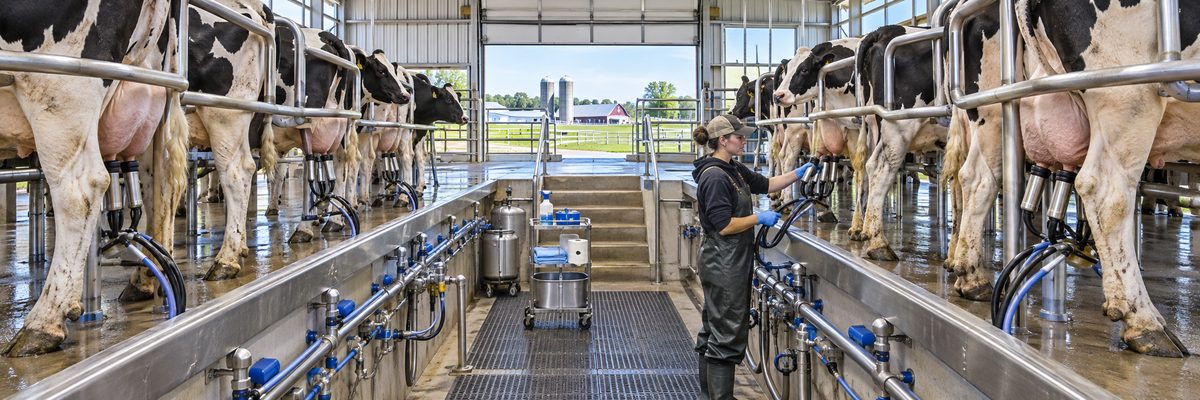
Cows will go where they want to go, and a good barn layout lets them. Bottlenecks, dead-end alleys and narrow doorways turn a calm herd into a traffic jam, and that costs you in slips, injuries, bullying, lost rest and cows that never quite make it to the feed bunk. The fixes are usually simple: add cross alleys where cows need to switch sides, remove dead ends, widen the pinch points and put water where it will not block the path.
Watch the herd for an hour before you pick up a tape measure. The cows already know what is wrong with your barn. They just express it by standing in the wrong place.
Every barn has one gate that every cow stops at, and nobody has ever figured out why. That is a traffic problem.
What good flow looks like
In a well-laid-out freestall barn, a cow finishing milking can walk to water, the feed bunk or her stall without being cornered or blocked. Lower-ranking cows can leave a dominant cow's space without getting trapped. Cows can move in both directions, or at least have a way out at each end, and no pen entrance is so tight that two cows stall each other.
A poor layout shows itself in repeated patterns:
- Cows backing out of a dead-end alley while a boss cow looks on.
- A cluster of cows standing at a gate or a waterer, waiting, with a line behind them.
- Manure and wet spots in one corner where cows stand and turn.
- Cows that skip stalls near the end of the barn, or crowd the stalls near the door.
- Lame cows that stay in their stall rather than risk the traffic.
Cross alleys: why you want them
A cross alley connects the lanes of a freestall barn so cows can switch between the feed alley and the stall alley without walking the entire length. Cross alleys give cows options and release pressure. Without them, cows who are pushed out of a stall row or the feed lane might have no good way out.
Spacing and width depend on barn design, herd size and number of rows, and your designer or extension engineer should set both. Most layouts need cross alleys wide enough for two cows to pass without a fight. A cross alley that is too narrow becomes the very bottleneck it was meant to solve. Floors in cross alleys wear fast, so keep them clean and consider better traction there. The notes in how to stop cows slipping on barn floors apply directly.
Dead ends: the quiet problem
A dead-end alley is a stretch where cows can enter but have no exit except backing out. In a herd with a pecking order, dead ends are traps for timid cows, first-calf heifers and lame cows. They cause injuries and chronic stress, and they leave a few stalls unused.
Fixes include:
- Adding a cross alley or an opening at the end of the row.
- Shortening or splitting the pen so cows do not feel trapped.
- Making sure no waterer, feed push-up area or equipment sits at the end of a lane in a way that blocks the exit.
- Putting gates and latches where cows can pass in both directions when the pen is open.
If you cannot rebuild, a movable gate or a simple opening in a rarely used wall can help. Ask your designer before you cut anything out of a load-bearing wall.
Doorways, parlor exits and holding pens
Many traffic problems start where cows enter or leave the milking system. A narrow parlor exit, a sharp turn right after the milking stall or a holding pen with a funnel-shaped entry will slow cows and bunch them up. Think about what cows see and how fast they want to move. A bright, open exit invites movement. A dark, tight one makes them hesitate.
In the holding pen, give cows enough room to stand without being squeezed, a solid backing gate that moves smoothly and shade or cooling in hot weather. Cooling the holding pen before milking shows how much a good holding area matters, and picking a parlor explains how parlor choice affects how cows enter and exit.
Water placement
Cows drink right after milking, and they like to drink in groups. A single trough at the end of a lane forces a crowd where the cows have to stand. Put water at the parlor exit, at crossovers and along the feed alley, not tucked in a corner. Make sure troughs are open on at least two sides so a dominant cow cannot block everyone else.
Feed bunk and stall access
A cow comes out of milking and has to decide: eat, drink or lie down. If the path to each option is easy, she does all three. If one is blocked, you get a crowd. Feed space matters here, and so does the headlock and barrier design covered in feed bunk space and headlock design per cow. Stall size and layout also affect how cows use the barn, so check how to size freestalls for your cows before you decide that cows just do not like the back row.
Robot barns are different
Robotic milking barns rely on cow movement and voluntary traffic patterns. Layout choices like free flow and guided flow change how cows move between feed, rest and the robot. Read barn layouts for robots if you are working on a robot barn, because dead ends and bottlenecks there reduce milkings per cow.
A traffic walk-through
- Watch the barn at the busiest time, right after milking.
- Mark spots where cows bunch up, hesitate or turn back.
- Count the exits from each alley. Any alley with only one is a candidate for a dead-end fix.
- Look at the floor in those spots for wear, wet manure and slick patches.
- Check doorways, gates and waterers for width and placement.
- Talk to the milkers and the feed crew. They see the jam every day.
- Try a low-cost change first, like moving a gate or a trough, and watch what happens.
When to bring in help
Structural changes to a barn can affect ventilation, loads and manure systems, so involve a dairy designer or extension engineer before you cut walls or move gates in a way that is permanent. University programs like Cornell PRO-DAIRY and Michigan State University dairy housing offer facility guidance and often connect producers with designers.
Quick answers
What is a dead-end alley in a freestall barn?
A lane with entry on one side and no exit on the other, so cows have to back out or turn around. It traps low-ranking cows and causes injuries and stress.
How many cross alleys does a barn need?
It depends on barn length, number of rows and herd size. Your designer should set spacing, but as a rule, long barns with no cross alleys are a red flag.
Can I fix traffic problems without construction?
Often yes. Moving gates, adding water, changing the way cows are moved and improving traction can resolve many issues. Save the construction for problems that remain after the easy changes.