Barns, Cow Comfort & Equipment
Freestalls vs Open Corrals on the West Coast
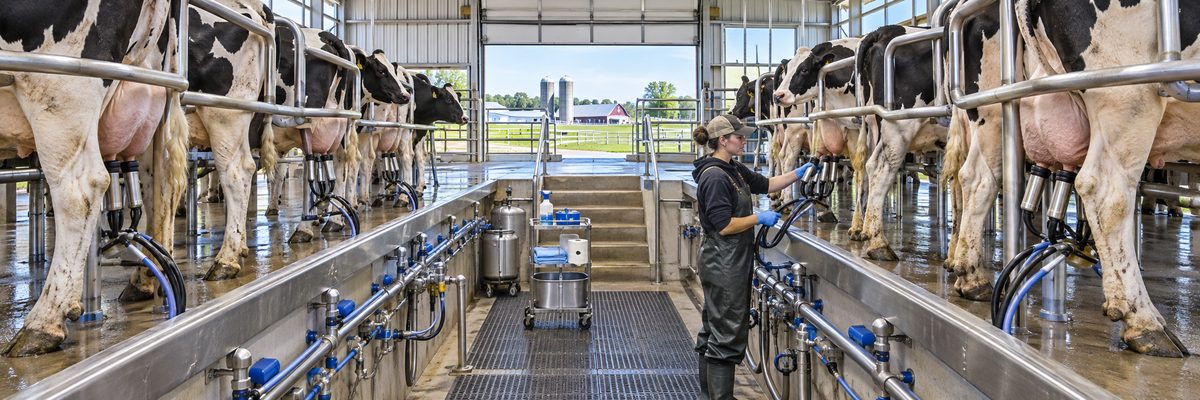
The honest answer depends on which side of the coastal range your cows live on. In the dry inland valleys, open corrals with shade, mounds and good drainage are a proven, lower-cost way to house milk cows. Along the wet coast and in western Oregon and Washington, where it can rain for weeks, cows do better under a roof. Freestalls sit in the middle and are the choice most people make when they want control over bedding, cleanliness and cow flow.
So the question is not which system is better. It is which one fails less often in your weather, on your soil, under your water-quality rules.
A corral in a dry July is a lovely thing. The same corral in a February downpour is a pudding. Plan for both.
How the two systems actually differ
An open corral, or dry lot, is a large outdoor pen with a feed line, water, shade structures and usually mounded or sloped ground so cows can lie down on a dry surface. Freestalls are individual resting stalls in a roofed barn, with alleys for walking, feeding and manure handling. Both can work well. Both can fail badly.
| Factor | Open corral | Freestall barn |
|---|---|---|
| Up-front cost per cow | Much lower | Much higher; see the cost breakdown below |
| Dry-weather comfort | Very good with shade and mounds | Very good with fans and clean stalls |
| Wet-weather comfort | Poor unless drainage is excellent | Good; cows stay out of the rain |
| Heat control | Shade, sprinklers and fans over the feed line | Roof, fans, soakers and sidewall openings |
| Manure and runoff | Runoff control required; rules vary by state and region | Easier to collect and direct, but still permitted |
| Labor | Corral grading and mound upkeep | Stall grooming and bedding |
Where open corrals make sense
Large dairies in the Central Valley, parts of southern California and the drier interior Northwest have used open corrals for a long time. The reasons are plain: mild winters, hot dry summers, low rainfall for most of the year, and cheap land per cow compared with the cost of a building. Cows tend to lie down on a dry, well-groomed mound as readily as in a stall, and dry corrals shed manure moisture in the sun.
What makes corrals work is the boring stuff. The surface slopes so water leaves. Mounds are built and reshaped often. Shade covers the feed line and a share of the lounging area. Cows have cool water in several places. And someone has a plan for the first big winter storm, because that is when the corral lets you know whether you built it right.
Corral managers also run into dust in summer, flies in the warm months, and the sheer time it takes to get cows out of a mud pen into the parlor if a wet spell hits. Hoof health suffers in wet corrals, so the causes of lameness in dairy cows are worth reading before the first rainy season.
Where freestalls pay for themselves
If you are in coastal northern California, western Oregon or Washington, you will get a lot of rain and a lot of mild-and-wet weather. A roof over the cows, a clean place to lie down and a scrapeable alley beat any corral in those conditions. Freestalls also fit herds that want more control over bedding, cow cleanliness and somatic cell count, and herds where land is scarce and expensive.
In a warm freestall barn you still have to manage heat. Roof structures that block the sun can trap hot air if sidewalls are closed in summer. Natural ventilation in freestall barns explains how open sidewalls and ridge openings keep air moving, and in hotter areas you will add fans and soakers as described in how many fans a dairy barn needs.
Bedding is the other big decision. Sand is popular where it is available and where manure handling can deal with it. Mattresses and organic bedding are common elsewhere. Sand vs mattress stalls walks through the tradeoffs.
What it costs, in general terms
Freestall barns cost a lot more to build per cow than corrals, and the numbers move with steel, concrete, labor and the size of the project. Rather than quote a figure that will be wrong by the time you read it, work with a contractor and a lender and ask for actual bids. How much a freestall barn costs per cow lists the line items you should expect, so you can compare bids and spot what is missing.
The corral system looks cheaper on paper, but do not leave off the cost of shade, sprinklers, runoff ponds, mound building and the extra labor in wet weather. Add the production risk in a wet year. The cheapest system is the one that does not fail you in the worst month.
Rules you cannot ignore
West Coast states have some of the most detailed water-quality and air-quality rules in the country. California regional water boards, the Oregon Department of Agriculture and the Washington State Department of Agriculture each have their own permits, nutrient management planning requirements and rules about runoff from corrals and manure storage. These change, and they differ by county and watershed. Talk to your state dairy or water-quality office and your local NRCS conservation planner before you commit to a layout.
The federal NRCS offers technical help and cost-share for waste storage, roofs over heavy-use areas and similar practices. Start at the NRCS website and find your state office. Oregon State University also maintains a dairy program with housing and management material for the Pacific Northwest: Oregon State Extension dairy.
A practical way to choose
- Count the wet days, not the average rainfall. Four wet months in a row is a different problem from the same rainfall spread across the year.
- Look at your soil. Heavy clay and high water tables make wet corrals worse. Sandy, well-drained ground forgives a lot.
- Ask your regional water or ag agency what permits each option needs before you draw anything.
- Price the shade, cooling and manure handling for both options, not just the structure.
- Visit two or three dairies using each system in your climate and ask what they would change. Dairymen will tell you, usually at length.
Quick answers
Can cows do well in open corrals in a wet climate?
Some herds manage it with excellent drainage, mounds and a covered resting area, but wet climates make it hard. Mud affects feet, udders and cleanliness, and runoff rules are strict. Most wet-climate dairies prefer a roof.
Do freestalls make cows more comfortable than corrals?
Not automatically. A dry, well-groomed corral can be very comfortable in the right climate, and a poorly managed freestall barn with short stalls and dirty bedding is miserable. Comfort comes from management as much as the building.
What about a hybrid, with shade over a corral?
That is a common middle ground: roofed or shaded feed lines and resting areas with open exercise space. It is worth discussing with your NRCS planner and a dairy designer, since drainage and runoff layout matter more than the roof itself.