Barns, Cow Comfort & Equipment
What a Robotic Milker Really Costs
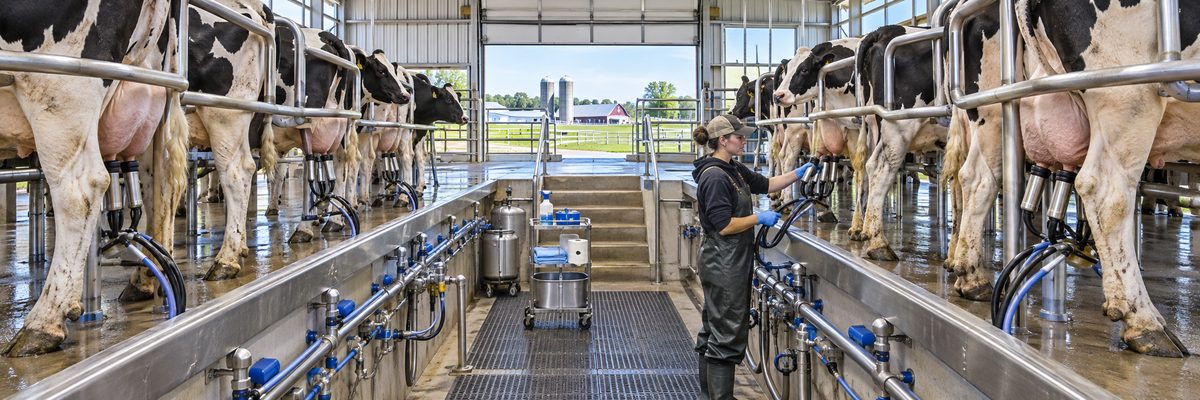
The price on the robot quote is the cheap part of the story. It's the cost of the machine, delivered, and then the real accounting starts: the barn work, the concrete, the water, the power, the service contract, the extra pen gates, the software, the training, and the three weeks when the cows teach you everything you got wrong in the plan.
This article won't hand you a price, because quotes change with the maker, the model, the number of boxes, the region, and the dealer, and any number printed here would be stale before the ink dried. What it will do is show you every line of the budget so that when you get quotes, you can compare them and spot what's missing. If a quote seems cheap, check what's left out.
The robot itself
The base cost is a milking unit, often called a box or stall, plus the arm, teat detection, milking cluster, controls, and the cleaning system. Most farms buy several boxes, and the number depends on herd size and how many times you want cows milked per day. A commonly quoted rule of thumb is that one box serves somewhere around 60 cows, but that varies with the maker, milking frequency, and cow flow, so make the dealer show you the math on your herd, not an average.
Ask the dealer exactly what's in the box price:
- Robot arm and milking equipment.
- Feed dispensing at the box, if offered, and the feed system that goes with it.
- Management software and the computer that runs it.
- Cow identification system, collars, or ear tags.
- Installation and commissioning.
- Training for your crew.
Barn and site costs
This is where budgets get surprised. A robot has to fit into a barn that works for cows, and that usually means changes. A new-build barn designed around robots avoids most of the retrofit compromises, but it brings its own costs. Typical categories include:
- Layout changes. Cow flow decides whether the robot works. Free flow, guided flow, and other layouts each need space and gates in specific places. The tradeoffs are covered in barn layouts for robots.
- Concrete and floors. The box needs a solid, level, properly drained pad, and alleys may need resurfacing so cows can walk without slipping.
- Utilities. Electrical service, water supply, drainage, compressed air, and possibly a backup generator so cows still get milked when the grid goes down. A generator isn't optional in many areas, especially where storms or ice are common.
- Sorting and handling. Selection gates, a treatment pen, and a place to hold cows that need attention.
- Milk cooling and storage. A robot milks around the clock, so the tank and cooling system need to handle more frequent, smaller loads. Plan the cooling and pickup details with your milk buyer.
- Feed system changes. Many farms change feeding strategy so cows have a reason to visit the box. That may mean new feeding equipment or ration changes.
- Cow comfort upgrades. Robots reward barns where cows are comfortable and willing to move. The costs to fix that are separate, and what a freestall barn costs per cow can help frame the scale if you need a new building.
Annual operating costs
Once the robot is running, the checkbook keeps opening. Expect these recurring items:
| Category | What to ask or budget |
|---|---|
| Service contract | What it covers, what it excludes, response time, and how the price changes over time |
| Wear parts | Liners, hoses, brushes, filters, and cleaning components; replacement intervals and prices |
| Cleaning chemicals | The robot's wash cycle uses its own products; ask for per-cow or per-day estimates |
| Electricity | Includes the robot, compressor, vacuum pump, and cooling; ask existing users for actual bills |
| Water | Varies with the wash cycles and cow numbers |
| Software and data | Licensing and updates, and any subscription fees |
| Repairs outside the contract | Parts, labor, and anything the contract doesn't cover |
| Financing | Interest and fees, which can be a large share of the real cost |
The savings side of the ledger
Robots are sold on labor, flexibility, and sometimes milk. Be careful with each:
- Labor. You save the hours of milking, but you don't save the hours of management. Somebody still has to watch data, fetch cows that don't come, clean the barn, and respond when the robot calls at 2 a.m. The work changes more than it disappears. The article on the first year of robotic milking sets realistic expectations.
- Milk production. Some farms see more milk through more frequent milking, but results vary widely and depend on management, cow flow, and feed. Plan the budget so that it works without a big milk bump, and treat any increase as a bonus.
- Quality and health. Individual quarter data and automatic detection can help catch problems early, but they don't replace attentive herd management. See robot milk quality checks for what still needs eyes and hands.
- Lifestyle. A real benefit for many families, but it doesn't show up on a spreadsheet, and the robot doesn't get Sundays off either.
How to build a realistic budget
- Get written quotes from at least two makers or dealers, with every line itemized.
- Visit farms with the system you're considering, ideally some that have run it for several years and some that just started. Ask what they'd budget differently.
- Add the barn, site, and utility costs. Get contractor bids, not guesses.
- Estimate annual operating costs using actual numbers from existing users.
- Estimate labor changes honestly. Count the hours that remain, not just the ones that go away.
- Run a cash flow projection with and without a milk response. The steps in dairy cash flow projection will help, and your lender will want to see it anyway.
- Compare the result to your current cost of production using cost of production per hundredweight, so you know whether the robot moves your number in the right direction.
Buy, lease or something in between
Financing choices matter as much as the sticker price. Some dealers and lenders offer leases or structured financing, and the terms vary. Review the contract for what you own at the end, what happens if the technology changes, and what your obligations are if the herd shrinks. The framework in leasing versus buying dairy equipment applies here, and so does an honest conversation with your lender and accountant. For small herds, check whether the economics work at all, using whether a robotic system is right for a small dairy before you fall in love with the demo.
For research-based background on robotic milking and farm economics, the Michigan State University dairy resources are a good place to read before the sales call. Your state's extension dairy specialists may have local examples and budgeting tools.
Mistakes that make the bill bigger
- Budgeting for the robot and forgetting the barn. The barn is often the harder part.
- Assuming the service contract covers everything. Read what it excludes.
- Planning for a milk response that doesn't arrive.
- Skipping the generator, then finding out what a robot does in a power outage with cows lined up.
- Ignoring the cows. Cow comfort, flow, and feed decide whether the robot gets visited.
- Letting the demo set expectations. A showroom cow is a well-behaved cow.
A robot doesn't get tired, doesn't ask for a raise, and doesn't take a day off. It also doesn't care that your barn has a bad corner, and it will bill you for every ounce of that indifference. Do the math twice, and have somebody who doesn't work for the dealer check it once.
Quick answers
How much does a robotic milking system cost?
It varies by maker, number of boxes, barn work, and region, so get itemized quotes for your own farm. Remember to add barn changes, utilities, and a backup power source. Budget for annual service, parts, and power as well.
How many cows can one milking robot handle?
A common rule of thumb is around 60 cows per box, though it depends on the maker, milking frequency, and cow flow. Ask the dealer to calculate from your herd and barn, and check with farms running the same system.
Is a robotic milker worth it for a small dairy?
Sometimes, but the economics are tight at small scale because the cost per cow is higher. Run a full budget, include barn and service costs, and consider lifestyle and labor availability alongside the numbers.