Barns, Cow Comfort & Equipment
Is a Robotic Milking System Right for a Small Dairy?
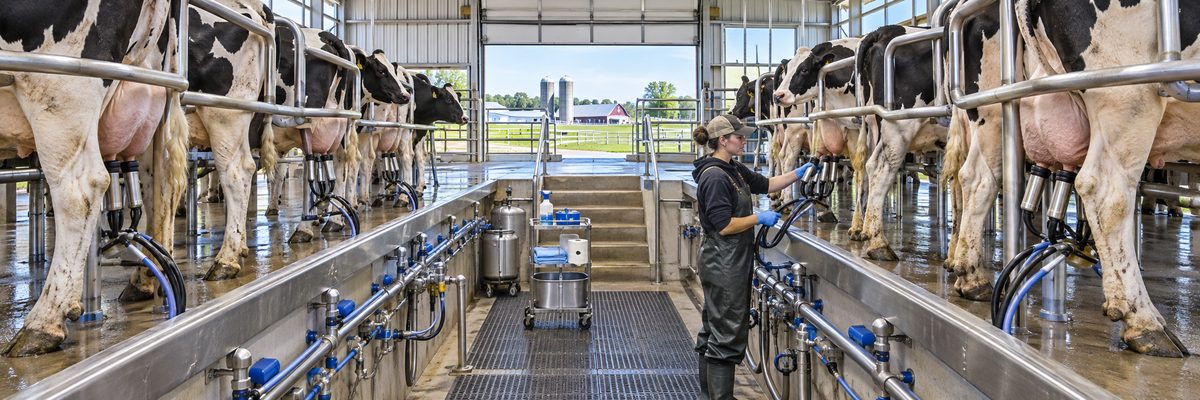
A robot can be a fine fit for a small dairy, but it is not a labor-saving machine so much as a labor-swapping one. You trade hours in the parlor for a large payment, a phone that buzzes at 2 a.m., and a barn that has to be run around cow behavior instead of your chore list. For some families that trade is the best decision they ever made. For others it is an expensive way to learn that the robot does not know how to fix itself.
The honest first question is not "can I afford a robot?" but "what am I trying to fix?" If the answer is a hired milker who quit, a back that quits next, or a family that would like to see you at supper, robots deserve a hard look. If the answer is "my milk check is thin," a robot by itself will not thicken it. Nobody has ever bought a robot and had the milk price go up out of gratitude.
What a robot really trades
University of Minnesota Extension puts it plainly in its look at whether milking robots are right for you: installing robots is an economic decision to trade milking labor for capital invested in a more expensive milking system. Most farms there are happy with the choice, but some struggle and wonder why they made the change.
The part small family dairies tend to miss is who gets paid back. If you hire milkers, the wages you stop paying can go toward the robot note. If the whole workforce is you, your spouse and a teenager who is mostly on a phone, there is no wage to stop paying. The savings show up as time, not dollars, and time does not make a loan payment. Extension points out that to cover the cost, family members may need to work off the farm, add another enterprise, grow the herd, or push milk per cow hard.
Where the money actually comes from
Robots tend to pay for themselves two ways: more milk per cow and lower labor cost. The milk side comes from three things.
- Milking frequency. Moving from twice a day to three times a day with even intervals adds roughly 8 pounds per cow per day, according to the Minnesota extension piece. Uneven intervals shrink that gain.
- The barn effect. Cows spend less time standing in a holding pen, stalls are usually better, and groups stay steadier.
- The labor-sparing effect. The best managers take the time they save and spend it on cows, forage or something else that earns money, rather than on a longer coffee break.
Then come the costs people skip over on the first spreadsheet. Maintenance runs higher because the equipment is expected to work around the clock, and it is full of sensors, lasers, cameras and circuit boards you cannot pick up at the farm store. Feed costs often climb, especially if you feed a custom pellet in the robot. For a closer look at the sticker side, what a robotic milker really costs breaks down the pieces, and whether to lease or buy matters more than most people think.
Cow numbers and robot capacity
Small herds create a quirky math problem. Robots are sized in blocks, and the University of Wisconsin dairy extension notes that a common recommendation is one robot per 60 to 80 cows. Their example: at about 7 minutes per cow and 2.8 milkings a day, one robot serves around 63 cows. If you milk 45 cows, one robot is underused. If you milk 90, one robot is overloaded and two are a stretch. The in-between herd is the tricky one.
Underused robots still cost what they cost, so a herd that sits well below capacity is paying for idle hours. Some small farms grow into the robot on purpose with extra heifers coming up. Others put in one robot and keep a small parlor for fresh or treated cows. Wisconsin extension describes that hybrid approach, and Minnesota notes it can raise milk per robot, though it costs you some of the time flexibility you were buying in the first place. You also end up running two systems and learning both.
Barn and cow fit
A robot needs a barn that works for it. Alleys, stall layout, cow traffic and ventilation all affect how often cows walk in on their own. A retrofit can pencil out if the existing barn is comfortable and has decent room to move, but narrow alleys and awkward layouts are hard to hide. Wisconsin extension says that if the existing barn has major flaws, a new barn tends to offer better long-term value. If you are leaning toward a retrofit, read up on free flow versus guided flow before you walk the barn with a dealer.
Cow fit counts too. Cows with good feet, decent udder shape and calm temperaments do better. Heifers have to learn the routine, and some learn it faster than the old girls did. Training heifers to the robot is a chore of its own, and a barn full of cows that think the robot is a cow-eating monster will cost you sleep.
Who does well, and who struggles
Minnesota extension's follow-up on the keys to success with robotic milking says successful farms really enjoy working with cows, run strong transition cow programs and produce high quality, consistent forage. They watch cows closely and adjust robot settings based on what they see. The same article notes that these systems require a large capital investment and excellent management.
Struggling robot farms often share a few traits: feeding that is hit or miss, a pile of "fetch" cows that have to be walked to the robot by hand, and an owner who wanted to push a button and walk away. Someone has to respond to the alarms at any hour. Milk quality can get harder to manage, especially contagious bugs, and a high somatic cell count can be harder to track down. Extension is blunt that you have to give up some control and work with natural cow behavior. If you like controlling the whole routine, that part can be rough.
Questions to answer before you call a dealer
- What exactly is the goal: lifestyle, hired labor, bigger herd, or more milk per cow?
- How much herd growth is realistic with your land, feed supply and manure storage?
- Is there service within a reasonable drive, and what is the response time on a weekend?
- Who covers the alarms when you are at a wedding or a ball game?
- Does your lender understand the loan, and does your cash flow still work if milk prices sag? A cash flow projection will tell you.
- If you want to stay in the business only a few more years, will a buyer value the robot, or will it be a stranger's problem?
Regional notes
Robots show up often in the Upper Midwest and Northeast where family herds, cold winters and a limited labor pool all push in the same direction. In the Southeast, heat adds a cooling load to the barn plan, since a hot, crowded barn does not make anybody visit the robot. Large-herd dairies in the Southwest and Mountain West usually run big rotaries, so a robot is more likely a small-scale or niche answer there. Grazing herds can use robots, but it takes planning because cows have to leave pasture on a schedule. Check with your extension dairy educator for numbers from farms in your region.
Quick answers
How many cows do I need for a robot?
One robot commonly serves about 60 to 80 cows, depending on milking speed, yield and traffic design. Fewer than that means you are paying for idle time, though some farms plan to grow into it.
Can I keep my parlor if I add a robot?
Yes, some farms run a hybrid, milking fresh or treated cows in the parlor and the rest by robot. It can help cash flow, but it adds scheduling and maintenance and cuts into the time flexibility you wanted.
Will a robot cut my labor bill?
Only if you currently pay for hired milking labor. With all family labor, the savings are time rather than dollars, so the payment has to come from more milk, more cows or other income.