Round Bales vs Square Bales for Small Dairies
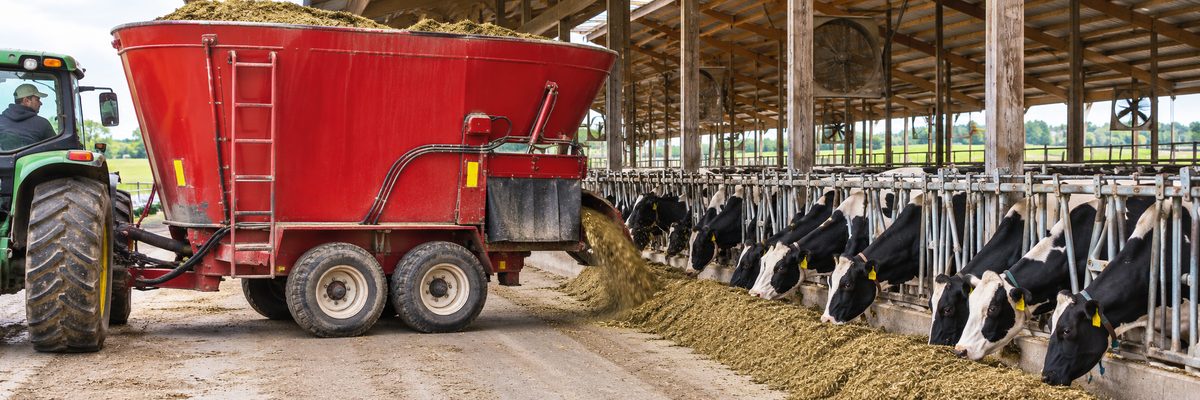
For most small dairies, square bales are easier on the barn and the cows, and round bales are easier on the baling schedule and the budget. Small squares can be carried by hand and fed in flakes to a handful of cows or goats. Round bales need a tractor and a place to unroll them, but one person can make a lot of hay in an afternoon.
The right answer depends on herd size, who is doing the work, what equipment already sits in the shed and what kind of cows you are feeding. A family with ten Jerseys and a bad shoulder is in a different spot than a grazing dairy with sixty crossbreds and a loader.
Small squares
Small rectangular bales, often tied with twine, typically weigh somewhere in the range of 40 to 70 pounds depending on moisture and density. They are the classic dairy hay package for small herds and show animals.
Pros
- Easy to handle in pieces. You can feed a flake at a time, which suits milking cows in a tie-stall or a family cow that gets hay at the parlor.
- Easy to sell and to buy in small amounts.
- Stack neatly in a barn with little wasted space.
- Easy to check quality since you can open a bale and look inside.
- Little waste in the feeder if flakes are fed right.
Cons
- Labor-heavy. Moving, stacking and hauling thousands of small bales is a young person's job, and the young person you had in mind left for college.
- Baling speed is slower, and a good crew matters when rain is coming.
- Equipment can be harder to find and fix, since fewer farms run small balers.
- Needs covered storage in most climates, since small bales shed less water.
Large squares
Large rectangular bales can weigh from several hundred pounds to well over a ton. They are common on bigger operations and in the Western hay country, and they are often sold by custom hay producers. They need a loader, a truck with a good bed and a barn that can fit them. Small dairies buy them more than they make them.
Round bales
Round bales are typically made in sizes from about 4 by 4 feet to 5 by 6 feet, and weigh from several hundred pounds to well over a thousand depending on size and density. They are the default for many grazing and cow-calf style farms.
Pros
- Fast baling with one operator and low labor.
- Lower cost of equipment, with plenty of used balers available.
- Can be wrapped as baleage, which opens the door to making forage in wet weather.
- Can be fed with a bale unroller or feeder, and cows can self-feed in some systems.
Cons
- Outdoor storage losses can be large when bales sit on the ground uncovered, especially in rainy or humid regions.
- Feeding waste can be high with open bale feeding. Cows trample, sort and bed on what they do not eat.
- Hard to feed measured amounts, which matters when your ration is balanced with forage quality in mind.
- Heavy handling, and bales can be hazardous when moved or stacked carelessly.
Side-by-side
| Factor | Small square | Large square | Round |
|---|---|---|---|
| Labor | High | Low (with equipment) | Low |
| Handling equipment | Hands, wagon, elevator | Loader and truck | Tractor with spear or grapple |
| Storage losses | Low indoors | Low indoors | Higher outdoors, lower if covered or wrapped |
| Feeding control | Excellent | Moderate | Moderate to low |
| Wrap as baleage | Possible but uncommon | Uncommon | Common |
| Best fit | Family cows, goats, tie-stall herds | Hay buyers and larger herds | Grazing herds and hay-heavy operations |
Storage matters more than shape
A bale is a storage decision. Round bales stored outside can lose a large share of their dry matter to weathering in rainy regions, while the same bales stored under cover or wrapped can come out in good shape. Small squares stored in a barn keep quality well. Put bales on a well-drained surface, not directly on soil, and leave space between rows so air and moisture can move. More on prevention is in storing hay and cutting barn losses.
It also pays to know what is in the bale. Check how to read a forage test before buying hay by the truckload. Bale size does not tell you anything about quality, and a perfectly shaped bale can be mostly stems.
Reducing feeding waste
- Use a ring or cradle feeder for round bales. Cone designs reduce waste further.
- Offer only what the cows will eat in a day or two when feeding hay from the ground, and unroll in strips if you use that method.
- Keep bales out of mud, and move feeding sites around.
- Remove refusals promptly. What to do with refusals and leftover feed covers where it should go.
- Avoid letting cows pull hay and trample it as bedding, and the same goes for hay that is moldy or dusty.
Hay that is free is a bargain only until you feed it. Farm.FM once ran a piece about a politician who promised free hay and got eaten by a horse, which is a decent reminder that promises about hay are the only thing in agriculture lighter than the bale itself.
Which should you choose?
- Count the hands. If the help is you and a tired spouse, small squares are a hard summer. Round or large squares reduce the work.
- Count the cows. Fewer than a dozen animals and daily flake feeding favor small squares. Larger herds favor bigger packages.
- Look at the weather. Humid, rainy climates punish outdoor round bales. Wrapping or covered storage fixes that, at a cost.
- Check the equipment you own. A balefork on your tractor decides more than any article can.
- Think about buying. Many small dairies buy hay instead of making it. In that case, buy the package your barn and equipment handle best, and weigh the price per ton of dry matter.
If a wet summer is on the way, consider the options for making dairy-quality hay when the weather will not cooperate, including baleage. For further reading on forage and hay production, Penn State Extension's forage and food crops pages and the University of Minnesota's forages pages are good starting points.
Quick answers
Are round bales good for dairy cows?
Yes, if the hay is good quality, free of mold and stored well. Many small and grazing dairies feed them, with a feeder to limit waste.
How much hay is lost in outdoor round bale storage?
It varies a lot with climate, bale density, how long they sit and whether they are on a well-drained base or covered. Losses tend to be higher in wet regions and with uncovered bales stored on the ground.
What is the best bale for a family milk cow?
Small squares are usually the most practical because you can feed flakes, check quality and store them in a small space. If you only have a round baler, ask your local extension office about feeding setups that fit one or two cows.