Getting First-Calf Heifers Used to the Parlor Before Calving
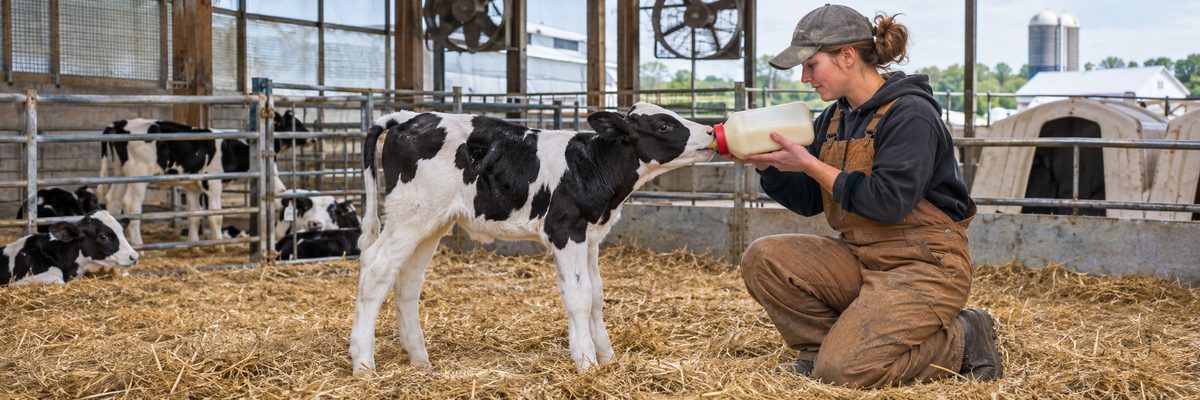
A first-calf heifer's first trip through the parlor shouldn't be the first time she has seen one. She's just had a calf, her udder is tight, her hormones are doing whatever hormones do, and now you want her to walk into a stall with steel on three sides, put up with strangers touching her teats and stand still. Some will. Plenty will do an impressive imitation of a rodeo bronc instead.
The fix is not complicated: let her practice before it counts. A few calm, low-pressure visits to the parlor before calving, along with regular gentle handling in the weeks before, take most of the drama out of the first milking. Nothing replaces heifers that have been handled quietly all their lives, but even farms where heifers are raised off-site can improve the first week a lot.
Why pre-calving practice pays
A heifer that fights the parlor is a risk to herself and to whoever is working next to her. A kicked-off milking unit, a stepped-on teat or a crushed hand all start with an animal that was surprised. Stressed heifers also let milk down poorly, which can mean less milk harvested at the exact point when you want the udder emptied and colostrum collected and fed properly. Heifers that learn the routine early settle in faster, and the person milking has a better time too.
Handling quality sets the tone for years. Cows remember how they were treated, and a first lactation spent being yelled at isn't a good way to start a long career. There's even a farm.FM piece about a contest for the world's gentlest dairy cow handlers; the competition is a joke, but the instinct behind it is the right one.
A timeline that works
Every farm's setup is different, but this sequence is common and easy to adjust:
- Weeks before calving: get them used to people. Heifers raised on pasture or at a custom grower may have had little contact with handlers. Spend a few minutes in the pen each day, walking through them slowly, letting them see you and settle. Touch their flank and rear legs while they eat.
- Close-up period: move them to the pre-fresh pen. This is where heifers often meet the cows they'll live with, a change in itself. The pen design and group setup are covered in dry cow housing and close-up pen management.
- A week or two before calving: walk them through the parlor. Bring a small group, let them enter, stand, eat a little grain if you use it, and leave, with no milking and no pressure. Repeat a couple of times. The point is for the parlor to smell, sound and feel familiar.
- Handle the udder and legs. In the same visits or in the pen, run a hand along the flank, down the rear legs, and along the udder. Keep it slow. Heifers with developing udders can be touchy, so work calmly and stay out of the kick zone.
- After calving: start them in a heifer group when you can. A group of first-calf animals is less stressful for them than being thrown in with mature cows, and it lets you milk them first, when the parlor is quiet. See milking order for fresh and treated cows for how order interacts with other groups.
What helps in the parlor itself
- Quiet beats loud. Radios, shouting and banging gates all make it harder. Heifers read people's moods faster than people do.
- Grain as a reward. A little feed in the parlor gives a heifer a reason to want to be there. Anything that makes the stall a pleasant place to stand is worth a few pounds of feed. Somebody even wrote a farm.FM song about heifers and grain, which tells you where the heifers' priorities sit.
- Take your time with the first teat prep. Introduce the cleaning and the milking unit gradually, and expect kicks. A heifer that kicks isn't being malicious; she's confused.
- Keep the area tidy and non-slip. A heifer that slips on wet concrete on her first visit will remember it. Good footing helps every cow, and holding pen conditions matter more than people think, especially in hot weather.
- Be consistent. The same people, the same order and the same sequence each time make the routine predictable.
Safety first
Never stand directly behind a nervous heifer. Work from the side, keep your hands where she can see them, and have an exit. If your parlor has a way to restrain a flighty animal, such as a rump rail, use it. Anything that keeps people and animals uninjured beats pride in doing it the hard way. Avoid rough restraints or anything that could injure the udder or a leg.
Mistakes to avoid
- Waiting until she calves. The first time a heifer sees the parlor shouldn't also be the time she's sore, hormonal and holding a calf's worth of colostrum.
- Milking heifers before calving. Walking them through the parlor is different from milking them. Pre-calving milking is not a training tool, so keep the visits to practice only.
- Pushing too hard in one session. Short, calm visits beat a long one that ends in a fight.
- Skipping teat condition checks. Heifers sometimes arrive with teat injuries from fences or herd mates, and a quick look before fresh milking pays off. Mastitis in first-calf heifers deserves attention; see the fresh cow check protocol for what to watch in the first days.
- Letting the same worker who gets kicked every time handle the heifers. Some people are calmer around animals. Put those people on the heifers.
Differences by herd type
Large Southwest and Mountain West dairies that run parlors around the clock often have a dedicated heifer team and a separate group for first-calf animals, so training comes from routine more than special effort. Small grazing herds may be able to walk heifers through a swing parlor by hand in a few minutes a day. Robot herds have their own approach, where heifers typically are introduced to the milking stall and feeding before calving; ask your equipment provider how they recommend doing it. For all of them, extension dairy teams such as Penn State Extension's dairy resources publish material on heifer management and first-lactation handling.
Quick answers
When should I start training heifers for the parlor?
Begin quiet handling in the weeks before calving, and walk them through the parlor once or twice in the last week or two. The idea is familiarity, not milking.
Should I milk heifers before they calve?
No. Walking through the parlor is practice; milking before calving isn't part of normal training and can interfere with colostrum. If an udder concern comes up, call your vet.
Why do first-calf heifers kick so much?
They're sore, unfamiliar with the routine and often nervous. Calm, consistent handling and a few practice visits reduce kicking quickly, and so does milking them as a separate group.