Calf Hutches vs Group Pens: Which Fits Your Dairy
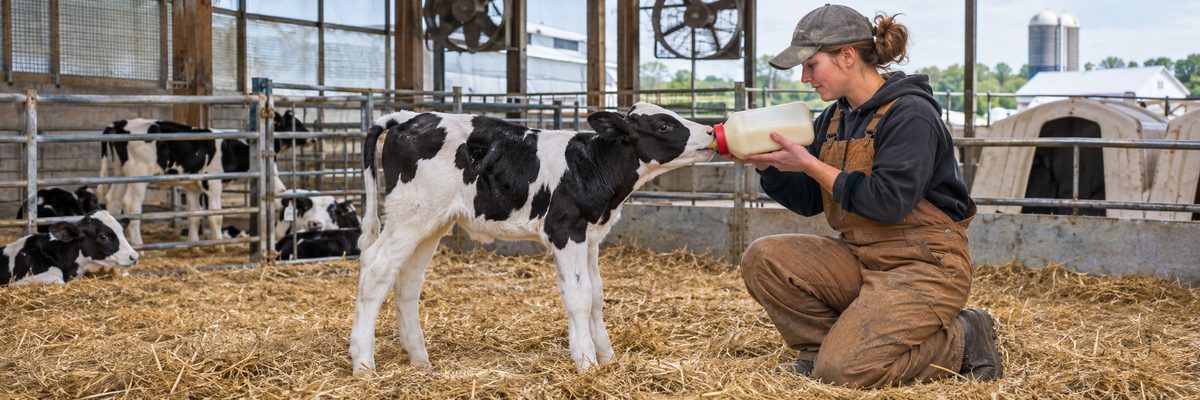
Individual hutches are easier to keep disease-free and easier to manage for a farm with limited labor or a lot of weather. Group pens give calves company and can support faster growth when they are managed well, but they ask more of the person doing the feeding and cleaning. Neither is a winner for every farm. The right answer depends on your climate, your labor, your barn and how disciplined you are with the details.
Most calves on dairies start life alone, in a hutch or individual pen, and some move into small groups after a few weeks. Others are housed in pairs or small groups from early on. Research and farm experience both show that group housing can work fine, and that individual housing can work fine. Poor management makes either one fail.
The calf, for the record, does not care about your opinion on the matter. She cares whether she is dry, fed, and not breathing someone else's cough.
The case for hutches
Individual hutches, usually with a small outdoor pen, are popular for good reasons.
- Disease control. Each calf has her own space and her own air. If one calf scours, the next hutch is not breathing on her. Nose-to-nose contact is limited, which cuts down the spread of many respiratory and gut bugs.
- Easy observation. You can see how much each calf drinks and eats, which makes sick calves easier to spot.
- Flexible and movable. Hutches can be moved to clean ground between calves and reused in different locations.
- Low barn investment. You do not need a building, and in mild climates they can be a very economical option.
- Good air. Being outdoors in fresh air is a big advantage for lungs, especially if the barn is poorly ventilated.
The downsides are real too. Labor per calf is higher, since every calf needs her own bottle or bucket, which sounds like nothing until it is five degrees and your fingers have filed for retirement. Weather exposure is a problem in extreme cold, wind, heat or mud, which varies by region: the Upper Midwest in January and the Southwest in July are very different challenges. And calves in isolation miss social contact, which some research links to learning and feeding behavior differences. Pairing calves in side-by-side or paired hutches is a compromise that some farms use. Details on layout are in where to put calf hutches for airflow and drainage.
The case for group pens
Group housing, from pairs up to small groups, typically in a barn or sheltered area, has its own appeal.
- Less labor per calf if feeding is automated. With an automatic feeder, one machine feeds many calves, and workers can focus on checking animals. The machine never calls in sick, though it does enjoy throwing an error code at four in the morning. The costs and trade-offs are covered in automatic calf feeders: pros, cons and costs.
- Social contact. Calves in groups tend to start solid feed earlier in some studies and cope better with later transitions.
- Indoor protection. A well-ventilated barn can shelter calves from extreme weather.
- Better use of space for big herds. Large dairies often find group systems easier to scale.
The cost is risk. Calves in groups share air, bedding and often a feeding station. If one calf scours or coughs, it can spread, and a bad group can take down a whole pen in a few days. Success depends on ventilation, stocking density, cleanliness and who is in the group. Keeping the age gap small and the group size modest matters a great deal. Many guidelines suggest keeping age differences within a week or two and groups fairly small. Check with your vet or extension agent for the targets that suit your system.
Side-by-side comparison
| Factor | Individual hutches | Group pens |
|---|---|---|
| Upfront cost | Per-hutch cost, often modest, no building needed | Depends on barn, pen gates and feeder; can be high with automation |
| Labor | Higher per calf, especially in bad weather | Lower with automatic feeding, but more skill needed for observation |
| Disease spread | Lower, but not zero | Higher if ventilation or hygiene slip |
| Spotting sick calves | Easy, one calf at a time | Harder; depends on feeder data and good eyes |
| Social contact | Limited unless paired | Built in |
| Weather exposure | High, needs bedding and shelter plans | Lower inside a barn |
| Growth potential | Strong with good feeding and bedding | Strong with good feeding and low disease pressure |
Do not expect the table to settle the matter, and every neighbor you have will still swear by the opposite system. Growth results in both systems depend more on how much milk you feed, how clean the bedding is and how well calves transition at weaning than on the housing label. Feeding level is covered in how much milk to feed a dairy calf.
Which fits which farm
Small and family dairies
Hutches are a practical choice. They are cheap, easy to move and easy to learn. A few hutches and a good bedding routine can raise very good calves. If you are raising calves for 4-H, the same logic applies.
Mid-size herds
This is where the debate is liveliest. Many mid-size farms use hutches for the first weeks and then move calves to small groups after weaning. Pairing calves can add social contact without the disease risk of big groups. The transition piece is covered in moving weaned calves to group pens without the setback.
Large herds
Large dairies in the West and Southwest often use rows of hutches on gravel pads because they fit hot, dry climates well, and big farms elsewhere use group barns with automatic feeders. Both can work at scale. Both fail at scale if the crew is overstretched.
Regional notes
In the Northeast, wet springs favor well-drained pads and covered pens. In the Southeast, heat, humidity and flies need shade, airflow and fly control. In the Upper Midwest, deep bedding and windbreaks matter more. Group barns in cold regions need real ventilation, not just closed doors.
Questions to ask before you decide
- How many calves do you raise at once, and how many people feed them?
- Do you have a ventilated building that can be adapted, or would you start from scratch?
- Can you commit to a consistent cleaning and resting schedule?
- How bad is your weather, and how is it spread through the year?
- Are you ready to learn automatic feeder software, or do you prefer hands-on feeding?
- What does your vet think based on your herd's disease history?
If you have a barn full of calves coughing and no budget, switching housing will not fix it. Start with the basics: colostrum, clean bedding, air and feeding. For more on herd housing research, the Cornell PRO-DAIRY program is a good place to start.
Quick answers
Are group pens bad for calves?
No. Well-managed group housing can produce healthy, fast-growing calves. The risk is higher disease spread if ventilation, group size, age differences and cleaning are not kept in check.
How long should calves stay in hutches?
It varies by farm. Many keep calves in hutches through weaning, then move them to groups, while others move them into pairs or small groups earlier. Your vet and your feeding program should drive the timing.
Which is cheaper, hutches or group pens?
Hutches usually cost less to start, while group systems may save labor over time, especially with automatic feeding. The actual cost depends on your barn, your labor costs and your disease losses.