Youth, Shows, Careers & Dairy Life
World Dairy Expo Junior Show for First-Timers
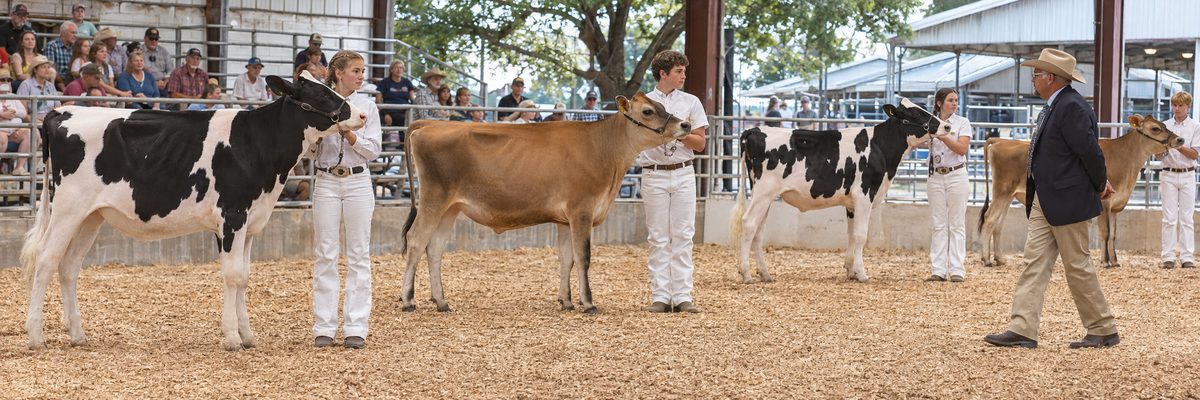
World Dairy Expo is the big one. Every fall, dairy people from across the country and around the world fill the fairgrounds in Madison, Wisconsin, and the junior exhibitors are right in the middle of it. For a first-timer, it can feel like walking into a stadium after a lifetime of county fairs. The barns are bigger, the crowds are bigger and so is the number of people who know exactly what a good heifer looks like.
The key for a first-time family is to treat it like any other show, scaled up. Read the current exhibitor information early, get the health and entry paperwork done well ahead, plan your travel and stalls, and pack for weather that can range from warm to cold in the same week. Then go in expecting to learn a lot and to be a little bit overwhelmed, which is how almost everyone feels the first time.
One honest warning: the barn will be loud, the schedule will be tight and somebody's heifer will be named after a country song. Smile and keep walking.
Start with the official information
Rules, deadlines, schedules and health requirements are set by the show, and they can change from one season to the next. Everything in this article is general guidance, and the World Dairy Expo website is the source to trust for dates, entry procedures, exhibitor information, the show and sale schedule and youth contests. Its menus list the dairy cattle show, exhibitor information and youth programs, including youth fitting and showmanship, the 4-H contest, FFA contests and judging contests. Download whatever packet applies to you and read it through, not just the part you think you need.
- Entry deadlines. Don't count on being able to add an animal late.
- Health and identification requirements. These come from the show and from the states involved. Talk to your veterinarian early.
- Eligibility. Age divisions, ownership and registration rules all matter, and your breed association can answer breed-specific questions.
- Arrival and departure windows. Big shows manage traffic tightly.
- Contests. Some junior programs, such as judging and fitting contests, have their own registration and rules.
Travel and lodging
Hotels fill early, and so do campgrounds and rental properties, so book as soon as you know you're going. If you're hauling cattle a long way, review the trip plan from preparing for a West Coast junior dairy show, which covers the haul, the paperwork and the rest stops. The principles apply wherever you start from.
Plan the budget realistically. Entry fees, stalls, bedding, feed, fuel, food, lodging and a few unplanned purchases add up fast. If you're a 4-H or FFA family, ask your leader or local dairy association about fundraising and sponsorships long before the trip, not the week of.
Your animal first
A heifer or cow that's been well prepared handles a big show better than one that's been rushed. Don't expect Expo to be the first time she's been away from home or seen a crowd.
- Practice leading, standing and being clipped and washed. Review halter training a show heifer to lead and stand if there are gaps.
- Try a couple of smaller shows first, so the noise, lights and strangers aren't brand new.
- Have your vet check her over before you leave, and take the paperwork seriously.
- Keep her feed and water routine as close to home as you can, and bring your own hay and feed if the show packet allows.
Setting up your stalls
Expect tight quarters. Exhibitors share aisles and stalls with neighbors, and everybody's gear competes for the same space. Show up with a plan for where things go and a short list of what you can leave in the trailer.
- Check in at the time and place the show assigns.
- Bed the stalls deeply and cleanly. Dry bedding makes a big difference to the animal and your wash job.
- Hang buckets and set fans following the show's electrical rules.
- Keep your gear tidy. Tack boxes, clippers and blowers get stepped on in busy aisles.
- Mark your area and keep valuables, medicine and sharp tools out of reach of kids and strangers.
If you've done a county fair, the layout is familiar, only more so. The dairy show box checklist and county fair dairy packing list are a good start for the packing, and what happens during fair week for dairy exhibitors will help you picture the rhythm of the days, even if the scale is bigger.
Barn etiquette
The unwritten rules matter at a show this size. Following them makes you a welcome neighbor.
- Ask before touching. Never pet, feed or handle someone else's animal without permission, and never borrow equipment without asking.
- Keep aisles clear. Cattle and carts move through them constantly.
- Keep noise reasonable. Music and shouting in the barn spook animals.
- Respect the wash racks and grooming chutes. Take your turn, and clean up when you're done.
- Be kind about results. Congratulate the winners, thank the judge, and leave the sulking for the truck.
- Help when asked. The dairy community is generous with newcomers who show respect.
Your class, your ring time and the schedule
Know where you need to be and when. Large shows run on a tight schedule, and ring times can shift. Learn your class from the show program, and check how classes are organized with dairy cattle show classes explained by age and division. Give yourself time to wash, dry and get to the holding area before you're called, and don't try to do everything at the last minute.
Showmanship is its own world. If you're in a showmanship or fitting contest, brush up with dairy showmanship tips for first-year exhibitors and ask your leader for a mock round at home.
Weather and comfort
Early fall in Wisconsin can bring warm days and chilly nights, and plenty of rain. Pack layers, rain gear and extra dry clothes. A barn that's pleasant at noon can be cold at dawn, and a wet jacket in an unheated truck is a bad time. For the Upper Midwest side of cold-weather barn management, see prepping show heifers in a cold Upper Midwest barn. The University of Wisconsin's dairy extension program is a local source for general dairy information if you want to read more before the trip.
Make time for the rest of the Expo
Don't spend the whole trip in the barn. The show has a trade show, educational sessions, youth programs and a lot of people willing to talk to a kid who asks good questions. Walk the trade show, watch the big classes and take the chance to see animals and breeders you've only read about. Judging is the best classroom there is, and watching a world-class class go through a ring is worth more than a stack of textbooks.
Quick answers
Do I need to be an experienced exhibitor to go to World Dairy Expo?
Not necessarily, but eligibility and entry rules apply, so check the official exhibitor information. Many families attend as spectators or contest participants before exhibiting, which is a smart way to learn the ropes.
How far in advance should I plan?
Start early, long before the show. Entry deadlines, health paperwork and lodging all have lead times, and the good hotels go first.
What should a first-timer pack that they might forget?
Layers and rain gear, extra buckets and hay, spare clipper blades, paperwork copies and a good pair of boots. And snacks, because the line at the food stand is always longest when you have ten minutes before a class.